
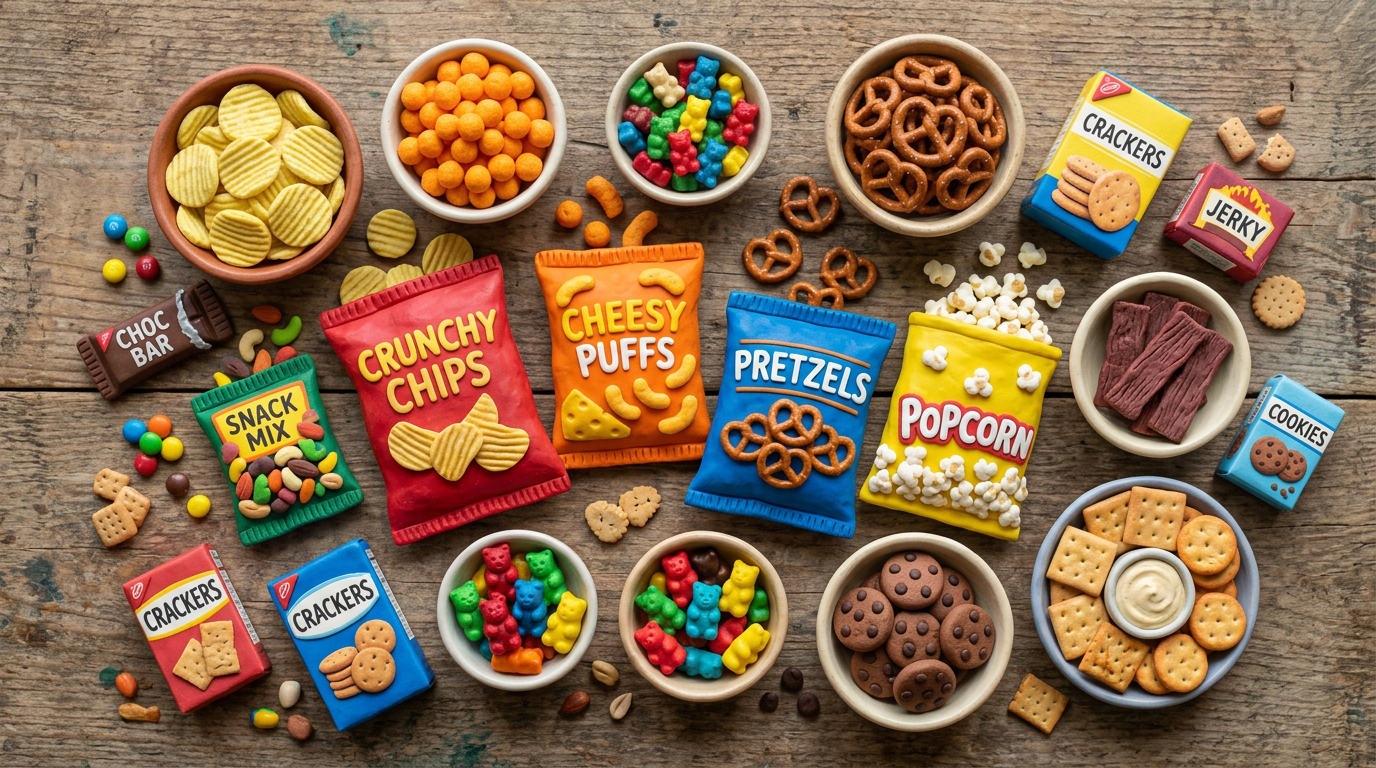
Snack foods are a convenient part of modern life, but not all snacks are equally beneficial for long-term brain health. While no single food directly causes dementia, researchers have found associations between diets high in ultra-processed foods, added sugars, unhealthy fats, and increased risks of cognitive decline. Over time, dietary patterns can influence factors such as inflammation, cardiovascular health, and metabolic function, all of which may affect brain health.
It’s important to remember that moderation matters. Enjoying these foods occasionally is unlikely to have a significant impact on cognitive function. However, regularly relying on them as dietary staples may contribute to broader health concerns linked to dementia risk.
Potato Chips
Potato chips remain one of America’s most popular snack foods.
Many varieties are highly processed and contain large amounts of sodium, refined oils, and calories. Frequent consumption may contribute to high blood pressure and cardiovascular issues, both of which have been associated with an increased risk of cognitive decline.
The ease of overeating chips can also make them a significant source of excess calories.
Cheese-Flavored Crackers
Cheese crackers are often marketed as convenient lunchbox snacks.
However, many popular brands contain refined flour, artificial flavorings, and highly processed oils. Diets heavy in ultra-processed foods have been linked in some studies to poorer cognitive outcomes over time.
While these crackers may be convenient, they generally provide limited nutritional value compared to whole-food alternatives.
Snack Cakes
Packaged snack cakes are designed to be sweet, soft, and shelf-stable.
To achieve that texture and longevity, manufacturers often rely on refined sugars, processed fats, and preservatives. Diets high in added sugars have been associated with metabolic conditions that may negatively affect brain health.
Frequent consumption can also contribute to weight gain and insulin resistance.
Microwave Butter Popcorn
Popcorn itself can be a healthy whole grain.
The concern arises with heavily processed microwave varieties loaded with artificial flavorings, excess sodium, and saturated fats. Some products have historically contained additives that raised questions among health researchers, although formulations have changed over time.
Choosing air-popped popcorn can be a simpler alternative.
Several dietary factors commonly associated with poorer brain health include:
- Excess added sugars
- High sodium intake
- Ultra-processed ingredients
- Refined carbohydrates
- Frequent overeating
A balanced diet may help reduce these risk factors.
Sugary Breakfast Bars
Breakfast bars are often marketed as healthy grab-and-go options.
In reality, many contain sugar levels comparable to candy bars. Despite appearing nutritious, they may deliver large amounts of refined carbohydrates with relatively little fiber or protein.
Blood sugar spikes caused by heavily sweetened foods may contribute to metabolic problems over time.
Flavored Corn Chips
Flavored corn chips are another snack aisle favorite.
Many varieties contain artificial flavorings, sodium, and highly processed ingredients designed to maximize taste and shelf life. Because they’re easy to eat in large quantities, portion control can become challenging.
Regular consumption may contribute to dietary patterns associated with cardiovascular and metabolic health concerns.
Frosted Cookies
Packaged frosted cookies combine refined flour, sugar, and processed fats into a highly palatable snack.
While enjoyable as an occasional treat, frequent consumption can contribute to excessive calorie intake and poor dietary quality. Researchers have increasingly focused on the relationship between ultra-processed foods and long-term health outcomes.
Replacing some processed snacks with fruits, nuts, or minimally processed foods may support overall wellness.
The Bigger Picture
No single snack determines whether someone will develop dementia.
Genetics, physical activity, sleep quality, education, cardiovascular health, and overall dietary habits all play important roles. Most research focuses on long-term eating patterns rather than individual foods.
The greatest concern is typically a diet dominated by heavily processed products rather than the occasional indulgence.
Conclusion
Potato chips, cheese-flavored crackers, snack cakes, microwave butter popcorn, sugary breakfast bars, flavored corn chips, and frosted cookies are popular snacks that contain characteristics researchers often associate with poorer long-term health outcomes. While these foods can certainly fit into an occasional treat-focused diet, building daily meals around whole foods, fruits, vegetables, lean proteins, and healthy fats may better support both physical and cognitive health as the years go by.



Leave a Reply