
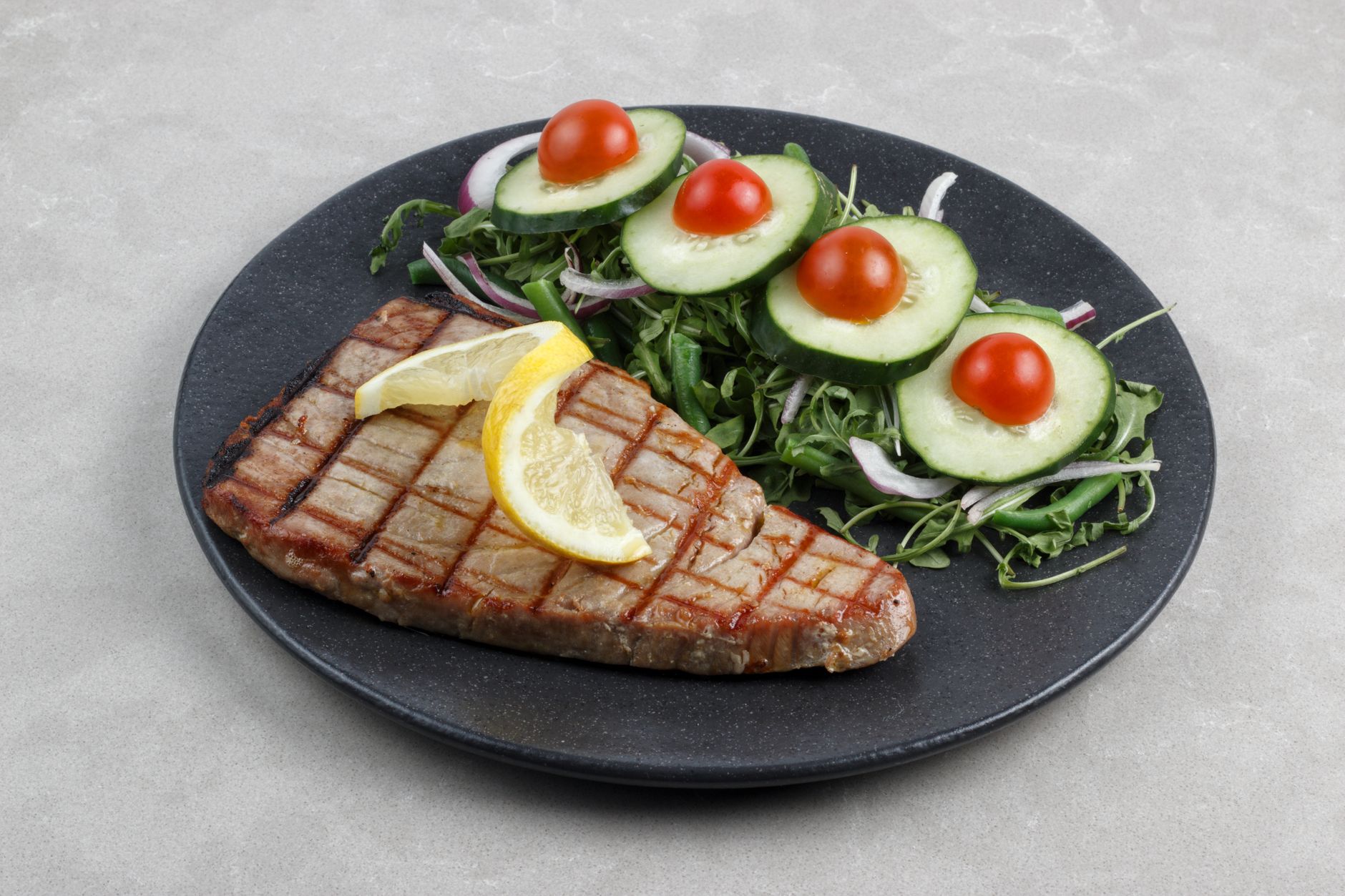
Ordering a steak at a restaurant often comes with high expectations. Whether you’re paying for a premium ribeye, filet mignon, or New York strip, you expect quality, proper preparation, and safe handling. Most restaurants take great care when preparing steaks, but mistakes can happen.
While some imperfections are minor and come down to personal preference, others are serious enough to warrant sending the dish back to the kitchen. Knowing the difference can help ensure you get the meal you paid for while avoiding potential food safety issues. Here are seven signs that your steak should go back immediately.
It Is Cooked To The Wrong Temperature
One of the most common reasons to return a steak is incorrect doneness.
If you ordered a medium-rare steak and receive one that is well-done, the kitchen has failed to prepare the meal as requested. Likewise, a steak ordered medium that arrives nearly raw may not meet expectations.
Because steak cannot simply be “uncooked,” a severely overcooked steak often requires a replacement rather than a quick correction.
The Meat Smells Sour Or Unpleasant
Freshly cooked steak should have a rich, savory aroma.
If you notice a sour, rotten, or otherwise unpleasant smell, it could indicate a problem with storage, handling, or freshness. While this situation is rare at reputable restaurants, it should never be ignored.
Trust your senses. If the odor seems abnormal, notify your server immediately and request a replacement.
The Steak Is Cold In The Center
A properly prepared steak should arrive hot or warm throughout, depending on the requested doneness.
If the exterior is warm but the center is refrigerator-cold, the steak may not have been cooked evenly. This can occur when meat is placed on the grill directly from cold storage without adequate tempering.
Besides affecting taste and texture, uneven cooking may raise concerns about preparation quality.
There Are Obvious Signs Of Spoilage
Spoilage is uncommon in professional kitchens, but warning signs should always be taken seriously.
Discoloration beyond normal aging, unusual slime, or strange textures are all indicators that something may be wrong. Diners should never feel obligated to eat food that appears questionable.
A reputable restaurant will usually appreciate being alerted to a potential problem before additional guests are affected.
Several warning signs should never be ignored:
- Sour or foul odors
- Cold interiors
- Incorrect cooking temperatures
- Unusual textures
- Foreign objects in the food
These issues justify speaking with restaurant staff immediately.
You Find A Foreign Object
Discovering a foreign object in your steak is an automatic reason to stop eating.
Objects such as plastic fragments, metal pieces, packaging materials, or other unexpected contaminants present both safety and quality concerns. Even a small object can create a choking hazard or cause injury.
Most restaurants take such incidents seriously and will typically replace the meal without hesitation.
The Steak Is Excessively Burned
A good sear enhances flavor, but there is a difference between a flavorful crust and a burned steak.
If large portions of the exterior are blackened to the point of tasting bitter or charred throughout, the cooking process may have gone too far. Excessive burning can overwhelm the steak’s natural flavor and create an unpleasant dining experience.
When the steak no longer resembles the preparation you ordered, requesting a replacement is reasonable.
The Cut Is Clearly Not What You Ordered
Premium steak cuts vary significantly in texture, marbling, and price.
If you ordered a filet mignon but receive a cut that clearly resembles a sirloin or another less expensive option, it is worth asking for clarification. Mistakes can occur during busy service periods.
Most restaurants will quickly correct the issue if the wrong cut was delivered to your table.
How To Handle The Situation Politely
Sending back a steak doesn’t have to be confrontational.
Politely explain the issue to your server and provide a clear description of the problem. Most restaurants want customers to leave satisfied and will work to correct legitimate concerns promptly.
Remaining calm and respectful often leads to the fastest and most satisfactory resolution.
Conclusion
A great steak should arrive exactly as ordered, properly cooked, and safe to eat. Incorrect temperatures, unpleasant odors, cold centers, signs of spoilage, foreign objects, excessive burning, and receiving the wrong cut are all valid reasons to send a steak back. Knowing these warning signs can help ensure that your dining experience remains enjoyable and that you receive the quality meal you expected from the start.



Leave a Reply