
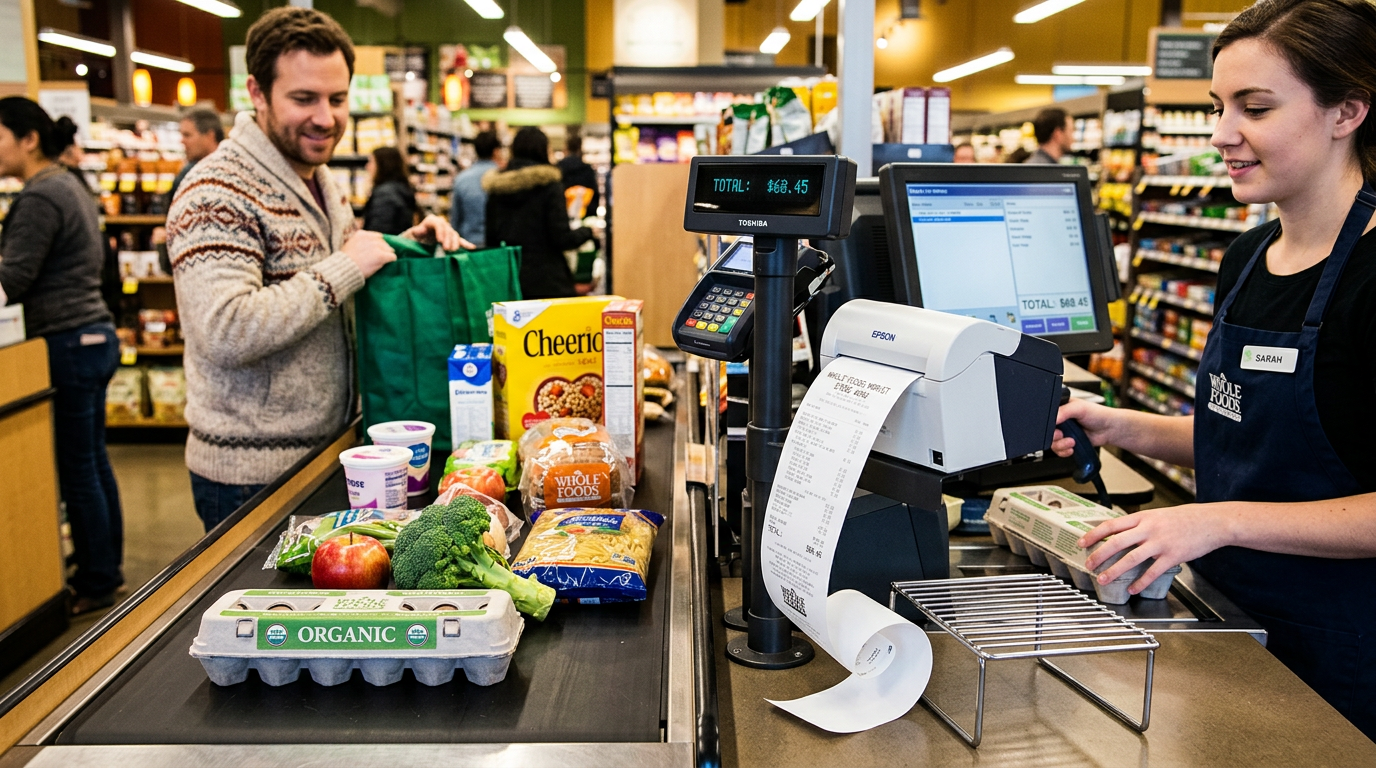
For most Americans, groceries are a necessity rather than a luxury. Yet depending on where you live, the cost of filling a shopping cart can be affected by more than just food prices. Some states exempt groceries from sales tax entirely, while others continue to apply state or local taxes to many food purchases.
Although grocery tax policies change periodically, a handful of states have historically imposed some of the highest taxes on food purchased for home consumption. These taxes can add hundreds of dollars to a family’s annual grocery bill. Here are five states that have been known for having some of the highest grocery store food taxes in the United States.
Mississippi
Mississippi has long stood out for imposing one of the highest statewide taxes on groceries.
For years, shoppers paid the state’s full sales tax rate on most food purchased at grocery stores. Unlike many states that provide exemptions or reduced rates for food, Mississippi traditionally treated groceries similarly to many other retail purchases.
This policy has often sparked debate among lawmakers and consumer advocates who argue that taxing essential food items places a greater burden on lower-income households.
South Dakota
South Dakota has historically applied its general sales tax to grocery purchases.
Because the state does not have a personal income tax, sales taxes play an important role in generating government revenue. As a result, groceries have often remained part of the taxable base.
For families with large grocery budgets, even a seemingly modest tax rate can add up significantly over the course of a year.
Alabama
Alabama has frequently appeared on lists of states with the highest grocery taxes.
In addition to the statewide tax applied to many grocery purchases, local jurisdictions may impose their own sales taxes, increasing the overall burden on consumers.
Although recent reforms have reduced some grocery taxes in Alabama, shoppers in many areas continue to pay more on food purchases than residents of states that fully exempt groceries from taxation.
Missouri
Missouri taxes groceries at a reduced rate compared to many other retail goods, but local taxes can substantially increase the final amount consumers pay.
Because local jurisdictions have authority to add their own sales taxes, shoppers in certain communities may face noticeably higher effective tax rates on food purchases.
Several factors contribute to higher grocery tax burdens:
- State sales taxes on food
- Local sales tax additions
- Limited grocery exemptions
- Broad taxable food categories
- Reliance on consumption taxes
These policies can significantly influence the overall cost of household food budgets.
Utah
Utah has historically taxed groceries at a reduced rate rather than exempting them completely.
Supporters of the policy argue that the reduced rate helps fund public services while keeping food taxes lower than the state’s general sales tax. Critics contend that any tax on essential groceries disproportionately affects families with tighter budgets.
Even with a reduced rate, Utah remains among the states that continue to collect taxes on many grocery purchases while numerous other states have eliminated them altogether.
Why Grocery Taxes Matter
Food taxes often generate strong opinions because groceries are a necessity for every household.
Unlike discretionary purchases, food spending cannot easily be avoided. This means grocery taxes may have a greater impact on lower-income consumers, who spend a larger percentage of their income on basic necessities.
Many policy debates surrounding grocery taxes focus on balancing government revenue needs with concerns about affordability and economic fairness.
How States Differ
The United States has no uniform approach to grocery taxation.
Some states completely exempt groceries from sales tax. Others apply reduced rates, while a smaller number continue to tax groceries at rates similar to other retail purchases. Local tax policies can further complicate the picture by creating substantial differences between communities within the same state.
As lawmakers continue evaluating tax policy, grocery taxation remains a topic of ongoing discussion across the country.
Conclusion
Mississippi, South Dakota, Alabama, Missouri, and Utah have historically ranked among the states with the highest taxes on grocery purchases. While tax rates and policies continue to evolve, these states illustrate how food taxation can affect the overall cost of living. For consumers, understanding local grocery tax rules can provide a clearer picture of the true cost of filling a shopping cart each week.




Leave a Reply