
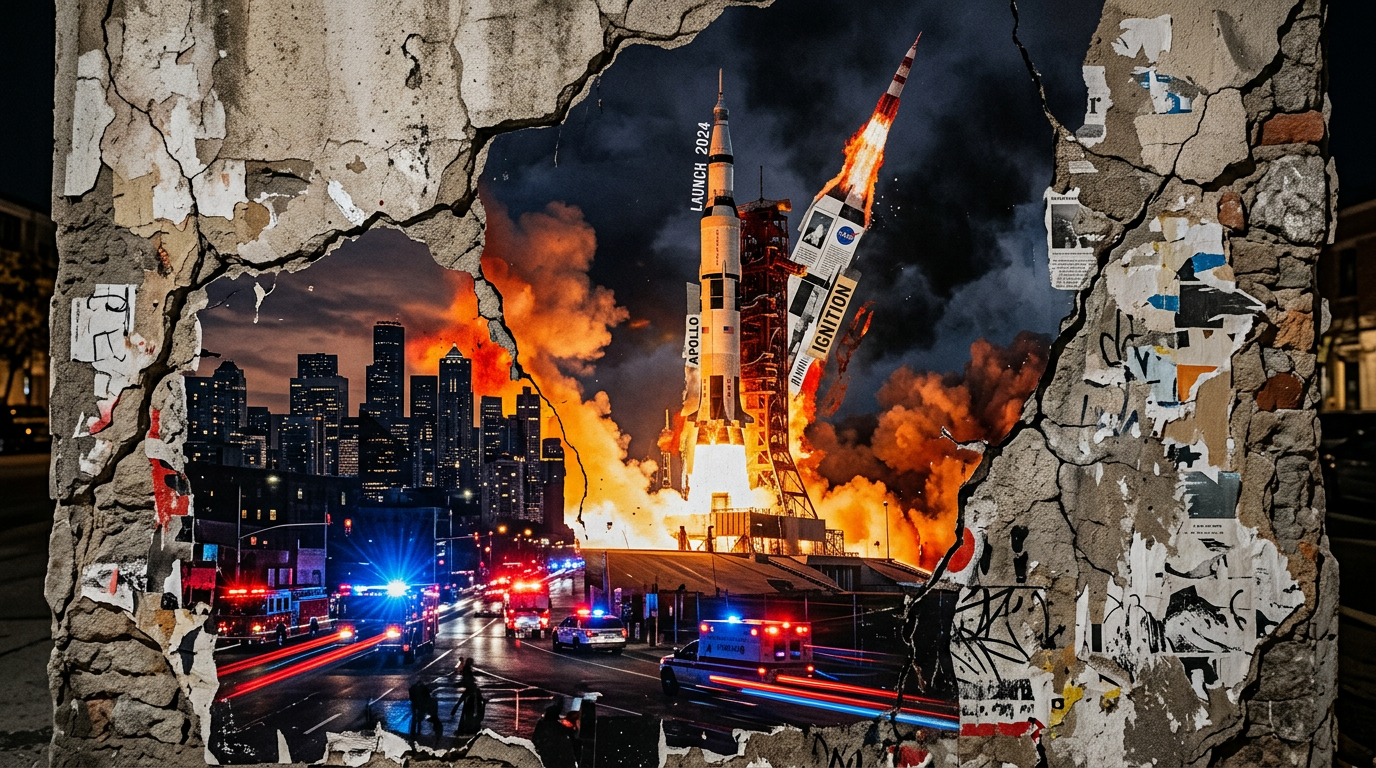
Certain news events become more than headlines—they become personal memories. For Baby Boomers, many of the twentieth century’s most significant moments unfolded live on television and radio, creating experiences that millions shared simultaneously. These stories were so impactful that people often remember exactly where they were when they first heard the news.
From triumphs in space exploration to moments of national tragedy, these events helped shape a generation’s understanding of the world. Here are seven news stories that many Baby Boomers still remember vividly today.
The Assassination Of President John F. Kennedy
On November 22, 1963, President John F. Kennedy was assassinated in Dallas, Texas.
The shocking news spread rapidly through television broadcasts, radio bulletins, and word of mouth. Schools, offices, and businesses across America paused as people struggled to comprehend what had happened.
Many Boomers who were children at the time recall teachers interrupting classes, parents gathering around televisions, and an atmosphere of disbelief that lasted for days. The event remains one of the most defining memories of the era.
The Apollo 11 Moon Landing
The summer of 1969 delivered one of humanity’s greatest achievements when Apollo 11 landed on the Moon.
Millions of viewers watched grainy black-and-white television images as Neil Armstrong took his historic first steps onto the lunar surface. Families gathered around television sets late into the night to witness history unfold.
For many Baby Boomers, the Moon landing symbolized limitless possibility and technological progress. It remains one of the most celebrated events of the twentieth century.
The Watergate Scandal Resignation
The Watergate scandal dominated headlines throughout the early 1970s and culminated in President Richard Nixon’s resignation in 1974.
Televised hearings brought political investigations directly into American living rooms. Many people followed every development closely as new revelations emerged.
The resignation itself marked a historic first in American politics and left a lasting impression on those who watched it happen in real time.
The Challenger Space Shuttle Disaster
On January 28, 1986, the Space Shuttle Challenger broke apart shortly after launch.
The tragedy was particularly devastating because teacher Christa McAuliffe was aboard the mission, and many schools had students watching the launch live. Millions witnessed the disaster as it occurred.
Boomers often recall exactly where they were when they learned the fate of the crew. The event became one of the most emotional moments in the history of the American space program.
The Fall Of The Berlin Wall
The fall of the Berlin Wall in 1989 marked a symbolic end to decades of Cold War division.
Television broadcasts showed jubilant crowds tearing down sections of the wall and celebrating newfound freedom. The images quickly became iconic around the world.
For many Americans, the event represented a dramatic shift in global politics and the beginning of a new era in international relations.
Several major events from this period shared common characteristics:
- Extensive live television coverage
- Global audiences
- Historic political significance
- Strong emotional reactions
- Lasting cultural impact
These qualities helped transform news stories into lifelong memories.
The September 11 Terrorist Attacks
The attacks of September 11, 2001, stunned the world and dominated news coverage for weeks.
Many Baby Boomers remember watching the second plane strike the World Trade Center live on television. The images that followed became deeply etched into public memory.
The attacks changed national security policies, foreign relations, and everyday life in profound ways. For many people, the events remain among the most unforgettable moments they have ever witnessed.
The Death Of Princess Diana
In August 1997, news broke that Princess Diana had died following a car crash in Paris.
The announcement triggered an extraordinary global response. Television networks interrupted regular programming as millions sought updates on the developing story.
Many Boomers remember waking up to the news or hearing it from friends and family. The emotional reaction around the world demonstrated Diana’s remarkable popularity and influence.
Conclusion
Some news stories transcend ordinary reporting and become defining moments in people’s lives. The assassination of John F. Kennedy, the Apollo 11 Moon landing, Watergate, the Challenger disaster, the fall of the Berlin Wall, the September 11 attacks, and the death of Princess Diana all left lasting impressions on Baby Boomers. Decades later, many still remember exactly where they were when these historic events unfolded, proving the powerful connection between personal memory and world-changing news.


Leave a Reply