
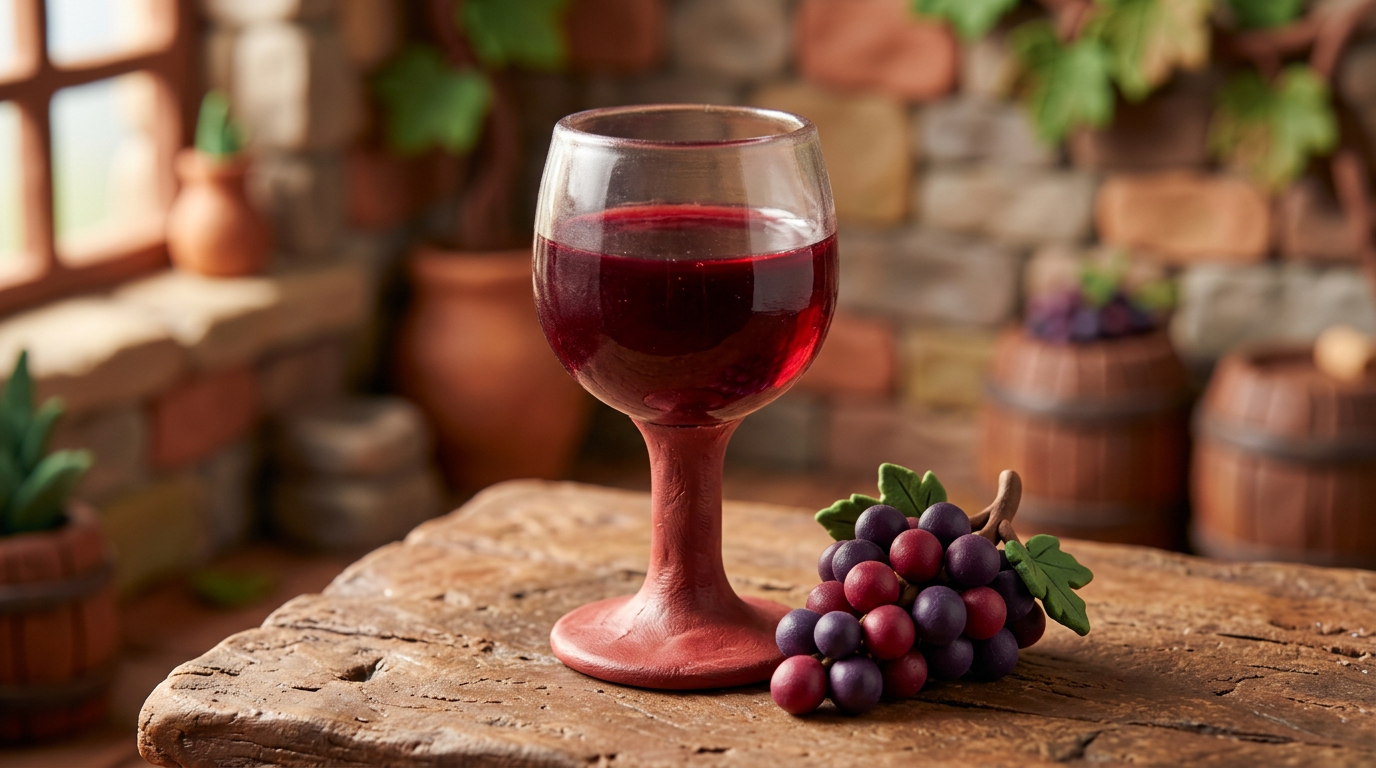
Antioxidants are compounds that help protect cells from damage caused by unstable molecules known as free radicals. They are commonly found in fruits, vegetables, tea, coffee, and certain alcoholic beverages. While alcohol should always be consumed in moderation, some types contain naturally occurring antioxidants derived from the ingredients used during production.
It’s important to note that any potential antioxidant benefits do not outweigh the health risks associated with excessive alcohol consumption. Still, among alcoholic beverages, some stand out for their relatively high antioxidant content. Here are five examples.
Red Wine
Red wine is perhaps the most famous alcoholic beverage associated with antioxidants.
Its antioxidant content comes largely from grape skins, which remain in contact with the juice during fermentation. This process allows compounds such as resveratrol, anthocyanins, and flavonoids to transfer into the finished wine.
Darker red wines often contain higher levels of these compounds than lighter varieties. Cabernet Sauvignon, Pinot Noir, and Syrah are frequently cited as examples of antioxidant-rich red wines.
Because the grape skins play such a significant role, red wine generally contains substantially more antioxidants than white wine.
Pomegranate Wine
Pomegranate wine is less common than grape wine, but it contains antioxidants derived from one of the most antioxidant-rich fruits available.
Pomegranates are naturally rich in polyphenols and other plant compounds that help give the fruit its reputation for nutritional value. Some of these compounds remain present after the winemaking process.
The resulting beverage often has a distinctive tart flavor and deep color. While availability varies by region, pomegranate wine continues to gain popularity among consumers interested in unique fruit-based beverages.
Dark Beer
Certain dark beers contain noteworthy amounts of antioxidants thanks to the roasted malts used during brewing.
Porters, stouts, and other darker beer styles often contain higher concentrations of antioxidant compounds than lighter lagers. The malting and roasting processes contribute to the formation of beneficial plant-derived compounds.
Although beer generally contains fewer antioxidants than red wine, darker styles typically provide more antioxidant activity than their pale counterparts.
Blackberry Wine
Blackberries are packed with anthocyanins, the pigments responsible for their deep purple color.
When transformed into wine, some of these antioxidant compounds remain in the finished product. Blackberry wine often delivers a rich flavor profile that combines sweetness with subtle tartness.
Several fruit wines are known for their antioxidant content, including:
- Blackberry wine
- Pomegranate wine
- Blueberry wine
- Cherry wine
- Traditional red grape wine
The antioxidant levels vary depending on production methods and fruit varieties, but deeply colored fruits generally contribute significant amounts of beneficial compounds.
Blueberry Wine
Blueberries are frequently celebrated as one of nature’s antioxidant powerhouses.
Blueberry wine retains some of the fruit’s naturally occurring anthocyanins and polyphenols, which contribute both color and antioxidant activity. The beverage often displays a deep purple hue similar to the fruit itself.
Because blueberries contain high levels of antioxidant compounds before fermentation, blueberry wine is often included among fruit-based alcoholic beverages with relatively strong antioxidant profiles.
Like other fruit wines, however, antioxidant content can vary considerably between producers and production methods.
Why Color Often Matters
One common pattern among antioxidant-rich alcoholic beverages is their color.
Deep red, purple, blue, and nearly black hues often indicate the presence of anthocyanins and related plant compounds. These pigments serve as natural antioxidants in the fruits used to make the beverages.
That doesn’t mean every dark beverage is automatically rich in antioxidants, but color can provide a useful clue when comparing different options.
Conclusion
Among alcoholic beverages, red wine is generally regarded as the antioxidant leader, thanks to its abundance of grape-derived polyphenols. Pomegranate wine, dark beer, blackberry wine, and blueberry wine also contain naturally occurring antioxidant compounds that originate from their primary ingredients. While these beverages may offer more antioxidants than many other alcoholic options, moderation remains essential. The healthiest sources of antioxidants are still whole fruits, vegetables, and other nutrient-dense foods consumed as part of a balanced diet.




Leave a Reply