
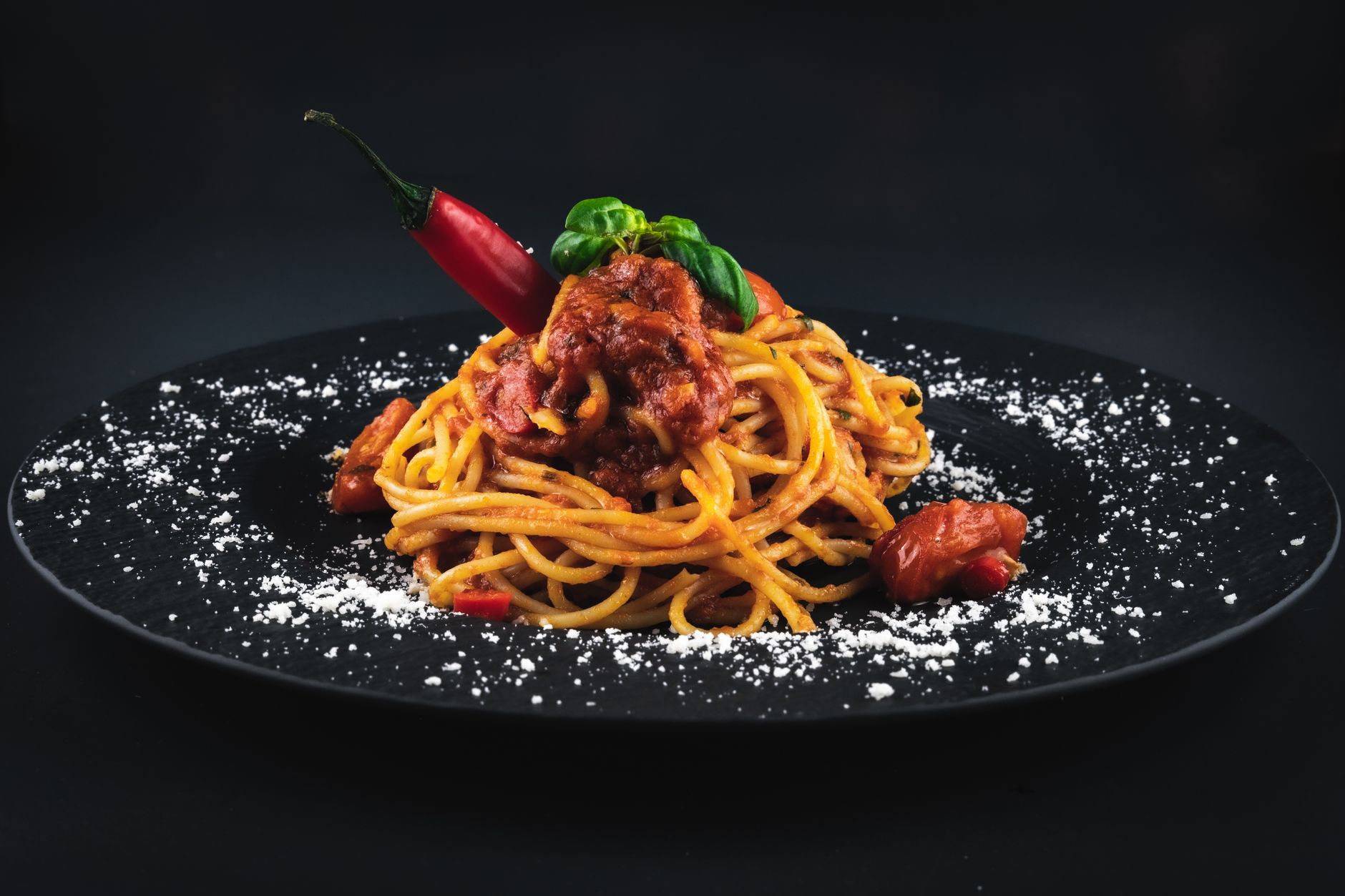
Italian restaurants are known for comforting pasta dishes, wood-fired pizzas, rich sauces, and leisurely dining experiences. However, timing can have a significant impact on the quality of your meal and overall experience. Even the best restaurant can struggle during certain periods when kitchens are overwhelmed, ingredients are running low, or staff members are stretched thin.
If you want the freshest food and best service possible, it helps to know when to avoid booking a table. Here are five of the worst times to eat at an Italian restaurant.
During The Saturday Dinner Rush
Saturday evening is often the busiest time of the week for Italian restaurants. Families, couples, and large groups frequently choose Italian food for celebrations, date nights, and weekend outings.
As dining rooms fill up, kitchens can become overwhelmed by a flood of orders. Pasta dishes, pizzas, appetizers, and desserts may all be prepared simultaneously, increasing the risk of slower service and occasional mistakes.
Even highly organized restaurants can struggle to maintain the same level of attention to detail when every table is occupied and customers are waiting for seats.
Right Before Closing Time
Arriving 15 to 30 minutes before closing can lead to a less-than-ideal dining experience.
By this point, some ingredients may be running low, certain menu items may no longer be available, and staff members are beginning end-of-day cleaning procedures. While professional restaurants continue serving customers until closing, the atmosphere often changes as employees prepare to finish their shifts.
Freshly baked bread, specialty desserts, or daily specials may also be unavailable late in the evening.
On Major Holidays
Holidays such as Valentine’s Day, Mother’s Day, and New Year’s Eve are among the busiest days for many Italian restaurants.
Special holiday menus can help streamline service, but they sometimes limit customer choices. At the same time, large crowds often create longer wait times and a noisier dining environment.
Common challenges during holiday dining include:
- Longer waits for tables
- Slower food preparation
- Reduced menu options
- Higher noise levels
- Increased pressure on staff
While holiday meals can still be enjoyable, they rarely offer the relaxed experience many diners expect from Italian restaurants.
Immediately After A Large Event Ends
Restaurants located near sports arenas, theaters, concert venues, and convention centers often experience sudden surges in business after events conclude.
Hundreds of hungry customers may arrive within a short period, placing enormous pressure on servers and kitchen staff. Even restaurants that normally provide excellent service can struggle during these rushes.
Waiting times often increase significantly, and the dining room may become crowded and noisy. If possible, it’s usually better to dine before the event or wait until the rush subsides.
During The First Few Days Of A New Menu Launch
Italian restaurants occasionally introduce seasonal menus, special promotions, or new dishes.
During the first few days after a menu rollout, kitchen staff may still be adjusting to new recipes and preparation procedures. Servers may also be learning details about unfamiliar menu items and ingredients.
This adjustment period can occasionally result in longer preparation times or inconsistencies as employees gain experience with the new offerings. While most restaurants adapt quickly, early visits during a menu transition can sometimes be less predictable.
Why Timing Matters
The timing of your visit affects much more than wait times.
Italian cuisine often relies on fresh ingredients, precise preparation, and careful attention to detail. When kitchens become overloaded, maintaining those standards becomes more difficult.
Choosing less crowded dining periods often leads to:
- Faster service
- Fresher food
- More attentive staff
- Better menu availability
- A quieter atmosphere
These factors can significantly improve the overall dining experience.
Conclusion
Italian restaurants can provide memorable meals at almost any time, but certain periods are more challenging than others. Saturday dinner rushes, late-night visits before closing, major holidays, post-event crowds, and the first days of a new menu launch can all affect food quality, service speed, and overall enjoyment. By choosing your dining time carefully, you can often enjoy a more relaxed atmosphere, better service, and a meal that fully showcases the restaurant’s strengths.

Leave a Reply