
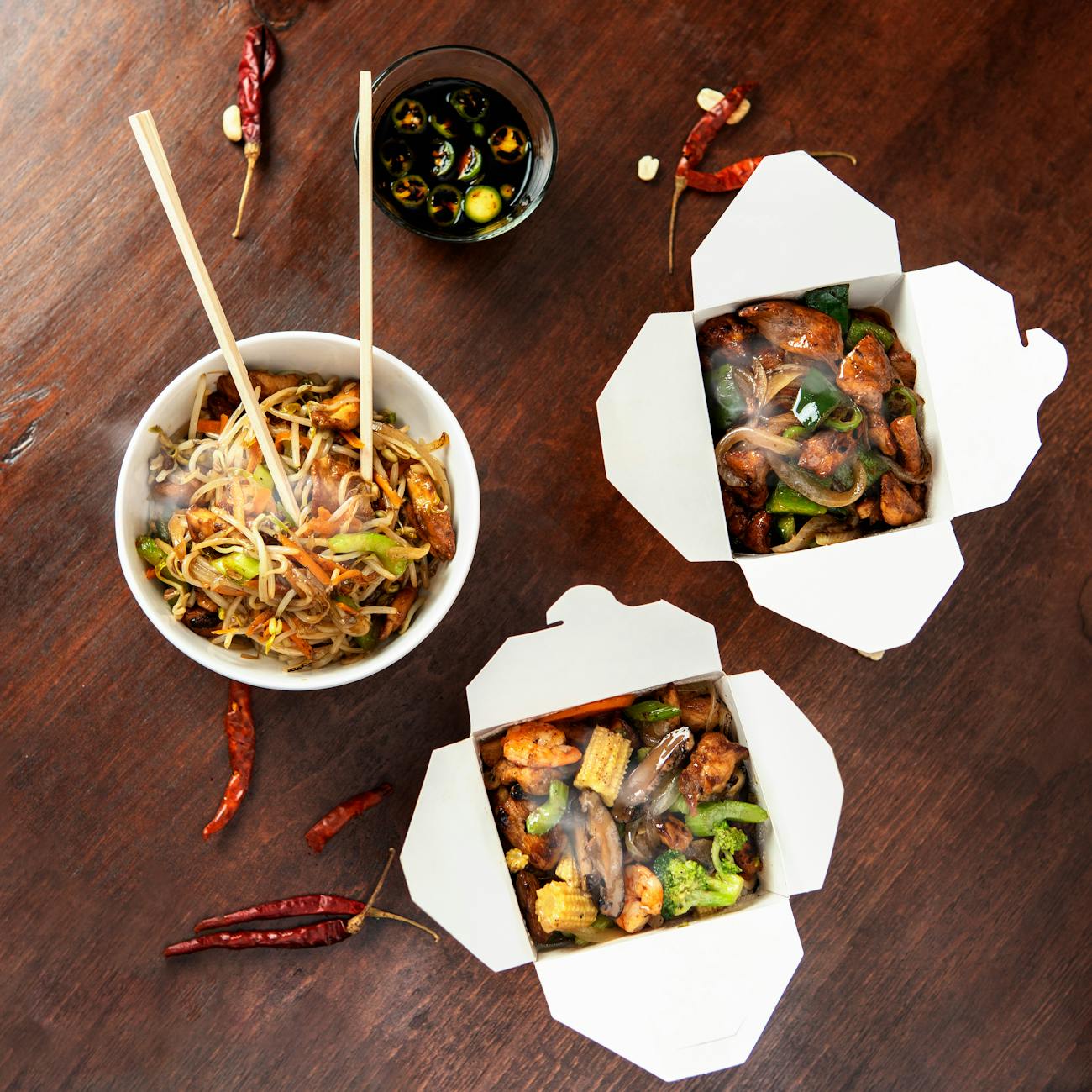
Chinese cuisine is incredibly diverse, encompassing regional traditions that span thousands of years and countless local specialties. Yet many restaurants outside China simplify their menus to cater to local tastes, making it difficult for diners to know whether they’re experiencing traditional cooking or a heavily adapted version.
While no single feature guarantees authenticity, certain clues often indicate that a restaurant is staying true to Chinese culinary traditions. Here are eight signs that you’re dining at an authentic Chinese restaurant.
The Menu Includes Regional Specialties
One of the strongest indicators of authenticity is a menu that goes beyond familiar Americanized dishes.
Instead of focusing entirely on items like General Tso’s chicken or sweet-and-sour pork, authentic restaurants often highlight dishes from specific regions such as Sichuan, Cantonese, Hunan, Fujian, or Jiangsu cuisine.
Regional specialties demonstrate that the kitchen is drawing from genuine culinary traditions rather than offering only a limited selection of internationally popular items.
Chinese-Language Menus Are Available
Many authentic Chinese restaurants provide menus in both English and Chinese.
In some cases, the Chinese-language menu may even contain dishes not listed on the English version. This often reflects a customer base that includes Chinese-speaking families and regular patrons seeking traditional dishes.
The presence of Chinese-language materials can be a strong indication that the restaurant serves food intended for people familiar with the cuisine.
Diners Are Sharing Multiple Dishes
Traditional Chinese dining is often centered around sharing.
Rather than ordering separate individual entrées, groups commonly select several dishes that everyone enjoys together. Large tables with rotating lazy Susans are often used to make sharing easier.
When you see families and groups passing dishes around the table, it can be a sign that the restaurant is reflecting authentic dining customs.
The Restaurant Offers Live Seafood
Many traditional Chinese restaurants place a strong emphasis on freshness, particularly when it comes to seafood.
It’s not uncommon to find tanks containing live fish, lobster, crab, or other seafood awaiting preparation. Customers may even select their seafood before it is cooked.
Fresh ingredients play an important role in many Chinese culinary traditions, especially in Cantonese cuisine.
The Menu Features Lesser-Known Ingredients
Authentic restaurants frequently serve ingredients that may be unfamiliar to diners who only know Americanized Chinese food.
Examples may include:
- Lotus root
- Bitter melon
- Jellyfish
- Duck tongue
- Century eggs
These ingredients are widely used in various regions of China and often indicate a commitment to traditional cooking methods and recipes.
The Spice Level Is Serious
Restaurants specializing in Sichuan or Hunan cuisine often serve dishes with substantial heat.
Instead of mild versions designed for broad appeal, authentic kitchens may prepare dishes using generous amounts of chili peppers, chili oil, and peppercorns that create complex layers of flavor.
Many traditional recipes prioritize balance between spice, aroma, texture, and savory depth rather than reducing heat for less adventurous diners.
Daily Specials Are Prominently Displayed
Authentic Chinese restaurants often feature rotating specials based on seasonal ingredients and market availability.
Rather than relying exclusively on a fixed menu, chefs may introduce dishes that highlight fresh produce, seafood, or regional specialties.
Handwritten signs, wall posters, and special menus can indicate that the kitchen is focused on serving dishes rooted in traditional culinary practices.
Many Customers Appear To Be Chinese
One of the simplest clues can be the customer base itself.
When local Chinese families regularly choose a restaurant, it often suggests that the food meets expectations for flavor, preparation, and authenticity. While this isn’t a guarantee, it can be a useful sign.
Restaurants that attract a diverse mix of diners, including people familiar with the cuisine’s traditions, often maintain stronger connections to authentic recipes and techniques.
Conclusion
Authenticity in Chinese cuisine goes far beyond décor and menu design. Regional specialties, Chinese-language menus, shared dining customs, live seafood, traditional ingredients, bold spice levels, rotating specials, and a loyal Chinese customer base can all suggest that a restaurant is committed to genuine culinary traditions. While every restaurant is unique, these signs often indicate that you’re experiencing a more authentic taste of one of the world’s richest and most diverse food cultures.




Leave a Reply