
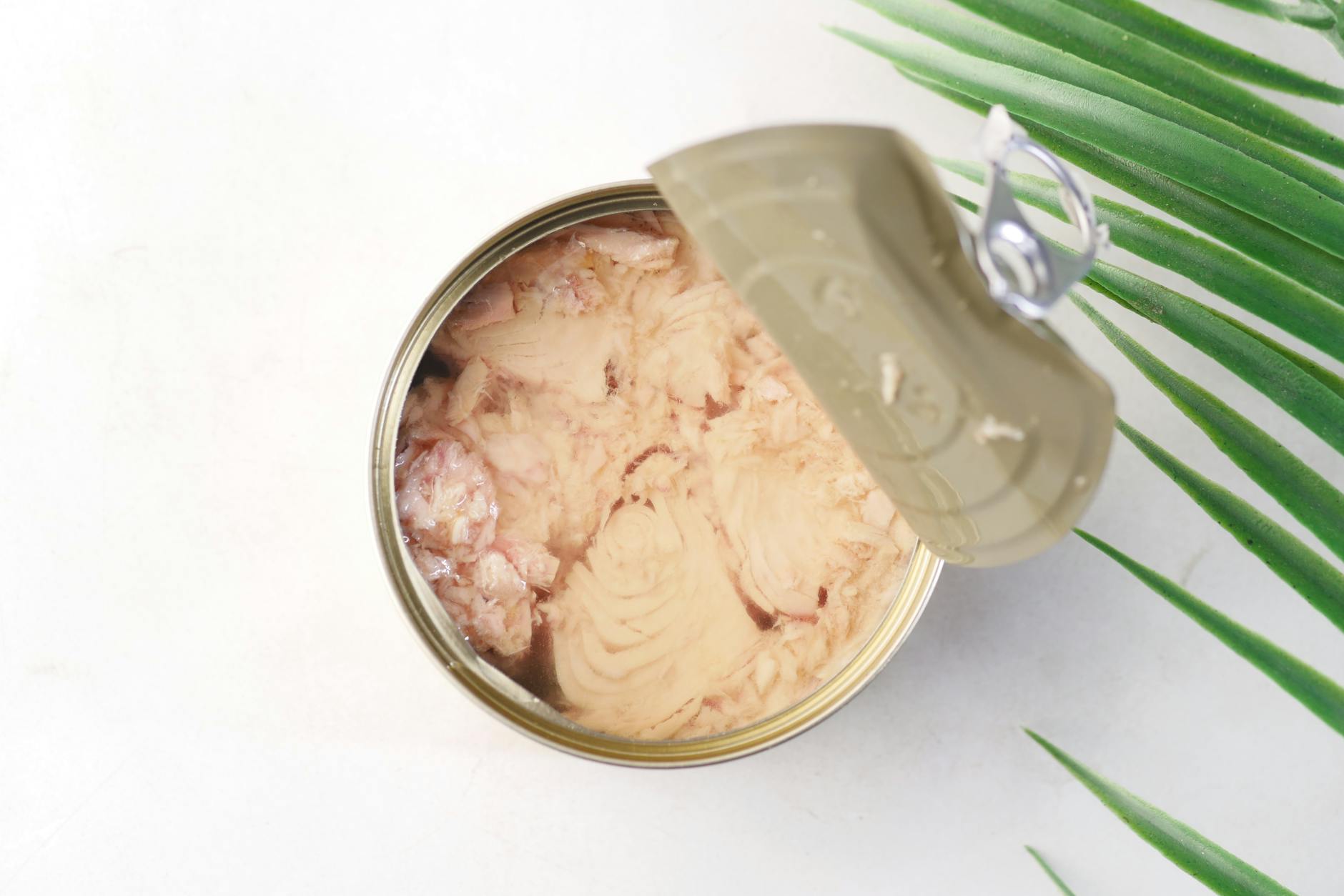
Tuna is a popular source of protein, omega-3 fatty acids, and important nutrients. It is affordable, versatile, and widely available in both fresh and canned forms. For many seniors, tuna can be part of a healthy diet when consumed in moderation.
However, not all tuna products are created equal. Certain types may contain higher levels of mercury, excessive sodium, or other characteristics that make them less suitable for older adults. Seniors often need to pay closer attention to heart health, blood pressure, and potential exposure to contaminants.
Albacore Tuna Eaten Too Frequently
Albacore tuna, often labeled as “white tuna,” is prized for its mild flavor and firm texture.
Unfortunately, albacore generally contains more mercury than lighter tuna varieties. Mercury can accumulate in the body over time, and excessive exposure may affect the nervous system.
This does not mean seniors must completely avoid albacore tuna. However, eating it frequently may not be the best choice when lower-mercury alternatives are available. Moderation is especially important for individuals who consume seafood several times per week.
Bigeye Tuna
Bigeye tuna is commonly found in sushi, sashimi, and some premium seafood products.
Because bigeye tuna is a larger predatory fish, it tends to accumulate relatively high levels of mercury throughout its lifespan. Health experts often recommend limiting consumption of fish species known for elevated mercury content.
For seniors looking to enjoy seafood regularly, there are generally safer options that provide similar nutritional benefits with lower contaminant concerns.
Choosing smaller fish species more often can help reduce overall mercury exposure.
Canned Tuna Packed With Excess Sodium
Many canned tuna products contain added sodium to enhance flavor and extend shelf life.
While sodium itself is not inherently harmful, excessive intake can contribute to elevated blood pressure in some individuals. Since many seniors already monitor their sodium consumption, heavily salted tuna products may not be the ideal choice.
Reading nutrition labels can make a significant difference. Some brands offer low-sodium versions that provide the same protein benefits without as much added salt.
These alternatives may be better suited for individuals managing cardiovascular concerns.
Tuna Salad Products Loaded With Mayonnaise
Pre-made tuna salad can seem like a convenient lunch option.
However, many commercially prepared versions contain large amounts of mayonnaise, sodium, and added calories. The tuna itself may still be nutritious, but the additional ingredients can significantly change the overall nutritional profile.
Seniors looking to maintain a balanced diet may benefit from preparing tuna salad at home, where they can control ingredient quality and portion sizes.
Simple modifications often produce a healthier meal without sacrificing flavor.
Tuna Products Of Uncertain Origin
Not all seafood products provide clear information about sourcing and processing.
Tuna products with vague labeling or unclear origins may raise concerns about quality control, sustainability, and freshness. Reputable manufacturers generally provide information about sourcing, handling practices, and nutritional content.
When purchasing seafood, consumers should look for trusted brands and clearly labeled products whenever possible.
Transparency can help shoppers make more informed decisions about the foods they eat.
Better Tuna Choices For Seniors
Not every tuna product poses concerns. In fact, many options can fit comfortably into a healthy eating plan.
When shopping, consider looking for:
- Light tuna varieties with lower mercury levels
- Low-sodium canned tuna
- Tuna packed in water rather than oil
- Clearly labeled products from reputable brands
- Fresh tuna consumed in moderation
These choices may help seniors enjoy the nutritional benefits of tuna while minimizing potential drawbacks.
Why Moderation Matters
The key issue with tuna is often not the food itself but the amount consumed.
Tuna remains an excellent source of lean protein and beneficial nutrients. Problems can arise when higher-mercury species are eaten too frequently or when processed tuna products contribute excessive sodium and calories.
Balancing tuna with a variety of other seafood options can help create a more diverse and nutritious diet.
Conclusion
Tuna can be a valuable part of a senior’s diet, but some varieties deserve closer attention than others. Frequently eating albacore tuna, consuming bigeye tuna, choosing high-sodium canned products, relying on mayonnaise-heavy tuna salads, or purchasing poorly labeled products may present concerns for certain individuals. By selecting lower-mercury, lower-sodium alternatives and practicing moderation, seniors can continue enjoying tuna while supporting their overall health and nutritional goals.


Leave a Reply