
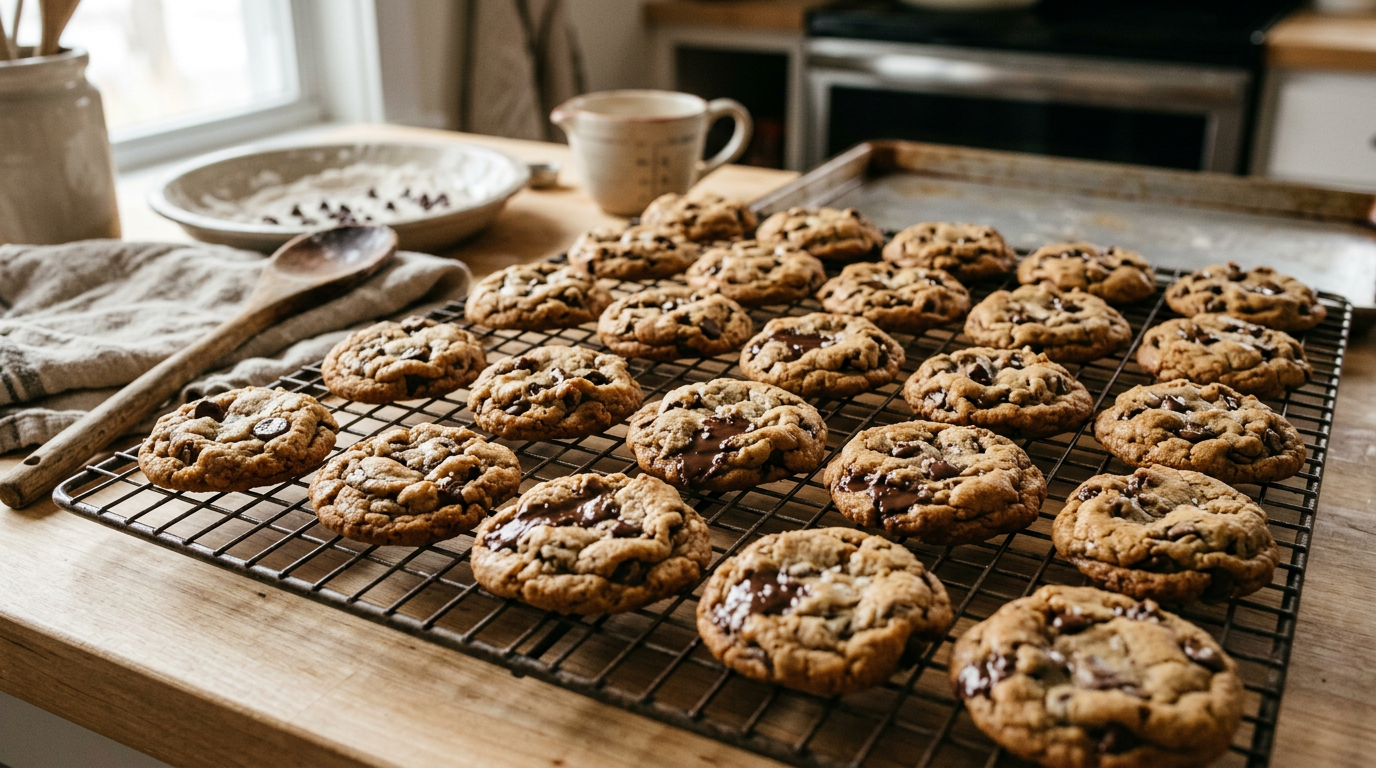
Grandma’s cookies may be legendary, but baking techniques have evolved over the years. Professional bakers and home enthusiasts alike have discovered small adjustments that can dramatically improve texture, flavor, and consistency. Whether you’re making chocolate chip cookies, oatmeal cookies, sugar cookies, or peanut butter cookies, a few smart tricks can elevate your baking game.
These 18 tips can help you create cookies that are crispier, chewier, softer, or more flavorful than you ever thought possible.
Use Browned Butter
Instead of simply melting butter, take a few extra minutes to brown it.
The process creates deep caramel and nutty flavors that add remarkable complexity to almost any cookie recipe. Chocolate chip cookies especially benefit from this upgrade.
Chill The Dough
Many bakers skip this step, but chilled dough often produces superior cookies.
Allowing dough to rest in the refrigerator for at least a few hours helps flavors develop and prevents excessive spreading during baking.
Weigh Ingredients
Measuring cups can introduce inconsistencies.
A kitchen scale provides far more accurate results, especially when measuring flour. Consistency is one of the secrets professional bakers rely upon.
Upgrade The Vanilla
Not all vanilla extracts are created equal.
Using pure vanilla extract instead of imitation versions can noticeably improve flavor, particularly in simple cookies where every ingredient matters.
Add A Touch Of Espresso Powder
A small amount of espresso powder won’t make cookies taste like coffee.
Instead, it enhances chocolate flavors and creates a richer overall taste profile in chocolate-based recipes.
Mix Brown And White Sugar
Combining sugars creates better texture.
Brown sugar contributes moisture and chewiness, while granulated sugar helps create crisp edges. The balance often produces the ideal cookie.
Use High-Quality Chocolate
Chocolate is often the star ingredient.
Premium chocolate bars chopped into chunks frequently outperform standard chocolate chips because they melt more evenly and create pockets of chocolate throughout the cookie.
Sprinkle Flaky Sea Salt On Top
A light sprinkle of flaky sea salt can transform a cookie.
The contrast between sweet and salty flavors makes chocolate, caramel, and peanut butter cookies taste more complex and satisfying.
Toast Nuts Before Using Them
Raw nuts can taste somewhat bland.
Toasting pecans, walnuts, or almonds before adding them to cookie dough intensifies their flavor and adds extra crunch.
Replace Some Flour With Oat Flour
A small substitution can improve texture.
Oat flour contributes a subtle nuttiness and creates a softer interior without dramatically changing the recipe.
Don’t Overmix The Dough
Once flour is added, excessive mixing can develop too much gluten.
This can lead to tougher cookies rather than tender, bakery-style results.
Use Room-Temperature Ingredients
Butter and eggs blend more evenly when they’re not cold.
This helps create a smoother dough and promotes consistent baking throughout the batch.
Line Baking Sheets Properly
Parchment paper often produces better cookies than greased pans.
It encourages even browning and reduces the risk of sticking or overcooked bottoms.
Rotate The Pan Midway Through Baking
Most ovens have hot spots.
Rotating the baking sheet halfway through baking helps ensure more uniform results from cookie to cookie.
Underbake Slightly
Cookies continue cooking after leaving the oven.
Removing them just before they appear fully done often results in softer centers and a chewier texture.
Experiment With Mix-Ins
Classic recipes are great, but creative additions can be even better.
Popular options include:
- Toffee bits
- Dried cherries
- Coconut flakes
- Crushed pretzels
- Peanut butter chips
These ingredients add flavor and texture without requiring major recipe changes.
Let Cookies Cool Properly
Freshly baked cookies are fragile.
Allowing them to rest on the baking sheet for several minutes helps them set and develop their final texture.
Store Them Correctly
Even perfect cookies can lose quality if stored improperly.
An airtight container helps preserve freshness and texture. Adding a slice of bread can even help keep softer cookies moist for longer.
Conclusion
Great cookies are often the result of small improvements rather than dramatic recipe changes. From browning butter and chilling dough to upgrading ingredients and refining baking techniques, these tips can help elevate almost any cookie recipe. Grandma’s cookies may always hold a special place in your heart, but with the right approach, your next batch might become the new family favorite.




Leave a Reply