
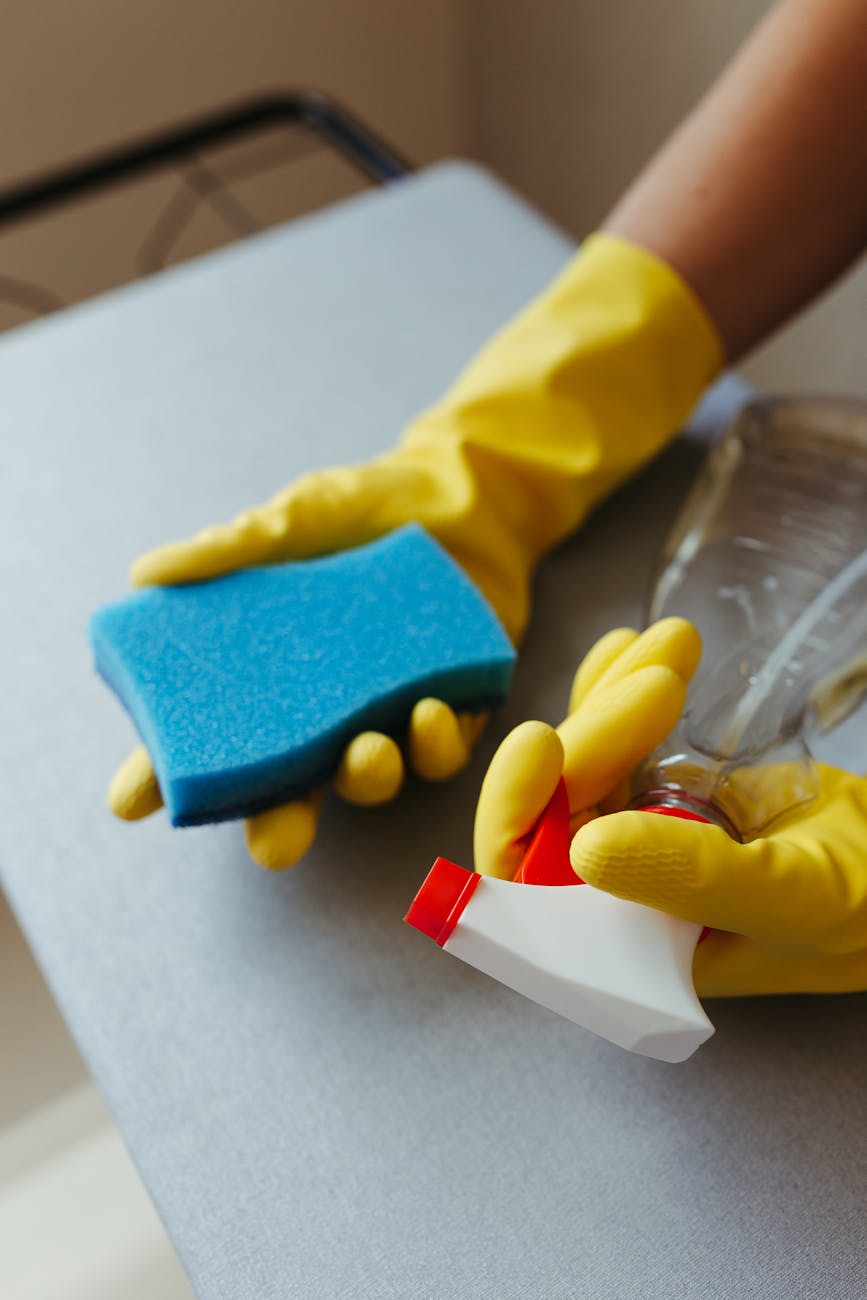
Cleaning supplies are a household necessity, but many everyday products contain chemicals that can be harmful when inhaled or absorbed over time. Some of these substances have been linked to an increased risk of cancer, raising concerns among health experts. Being aware of the products you use and exploring safer alternatives is crucial for maintaining a healthy home environment.
All-Purpose Spray Cleaners
All-Purpose Spray Cleaners are convenient for tackling a wide range of surfaces, from countertops to bathroom fixtures.
Unfortunately, many contain quaternary ammonium compounds, or “quats,” which have been associated with respiratory issues and potential carcinogenic effects.
Prolonged exposure, especially in poorly ventilated areas, can increase the risk of long-term health problems.
Switching to cleaners with plant-based ingredients or using microfiber cloths with warm water can reduce chemical exposure.
Oven Cleaners
Oven Cleaners are popular for their ability to remove baked-on grease and grime effortlessly.
However, many formulations contain lye or sodium hydroxide, which can cause skin burns, respiratory irritation, and potential carcinogenic effects over time.
Even short-term exposure to these harsh chemicals can be dangerous if proper protective measures are not taken.
Wearing gloves, masks, and ensuring proper ventilation are essential when using these products, or consider enzyme-based alternatives.
Disinfectant Wipes
Disinfectant Wipes are commonly used for quick surface cleaning and are found in nearly every household.
Many of these wipes contain chlorinated compounds and fragrances that have been linked to hormone disruption and cancer risks.
Frequent use without adequate ventilation increases inhalation exposure, particularly for children and pets in the home.
Choosing wipes labeled as “non-toxic” or making DIY alternatives using vinegar or baking soda can be safer options.
Bathroom Scrub Cleaners
Bathroom Scrub Cleaners are effective against soap scum, mildew, and mold but often contain hydrochloric acid or sodium hypochlorite.
These chemicals can release toxic fumes that irritate the lungs and, with repeated exposure, contribute to cancer risks.
Using these products with open windows or a fan, along with protective gloves and masks, can minimize danger.
Natural alternatives, such as diluted lemon juice or vinegar, can also be effective for routine cleaning.
Carpet and Upholstery Cleaners
Carpet and Upholstery Cleaners are essential for maintaining a clean living space, especially in homes with children or pets.
Many contain perfluorinated compounds (PFCs) and other solvents linked to cancer and long-term health concerns.
Frequent indoor spraying without proper ventilation can lead to inhalation and prolonged chemical buildup in carpets and fabrics.
Regular vacuuming, steam cleaning, and eco-friendly cleaning solutions help reduce the need for harsh chemical use.
Tips For Safer Cleaning
To reduce cancer risks associated with cleaning supplies:
- Opt for plant-based or natural cleaning products
- Avoid heavily fragranced products and disinfectant wipes
- Ensure proper ventilation when using chemicals
- Wear protective gloves and masks
- Explore DIY cleaning solutions with vinegar, baking soda, or lemon juice
Conclusion
All-Purpose Spray Cleaners, Oven Cleaners, Disinfectant Wipes, Bathroom Scrub Cleaners, and Carpet and Upholstery Cleaners are linked to potential cancer risks. Being aware of the chemicals in your home and adopting safer alternatives can protect your family’s health while still keeping your living space clean and fresh.




Leave a Reply