
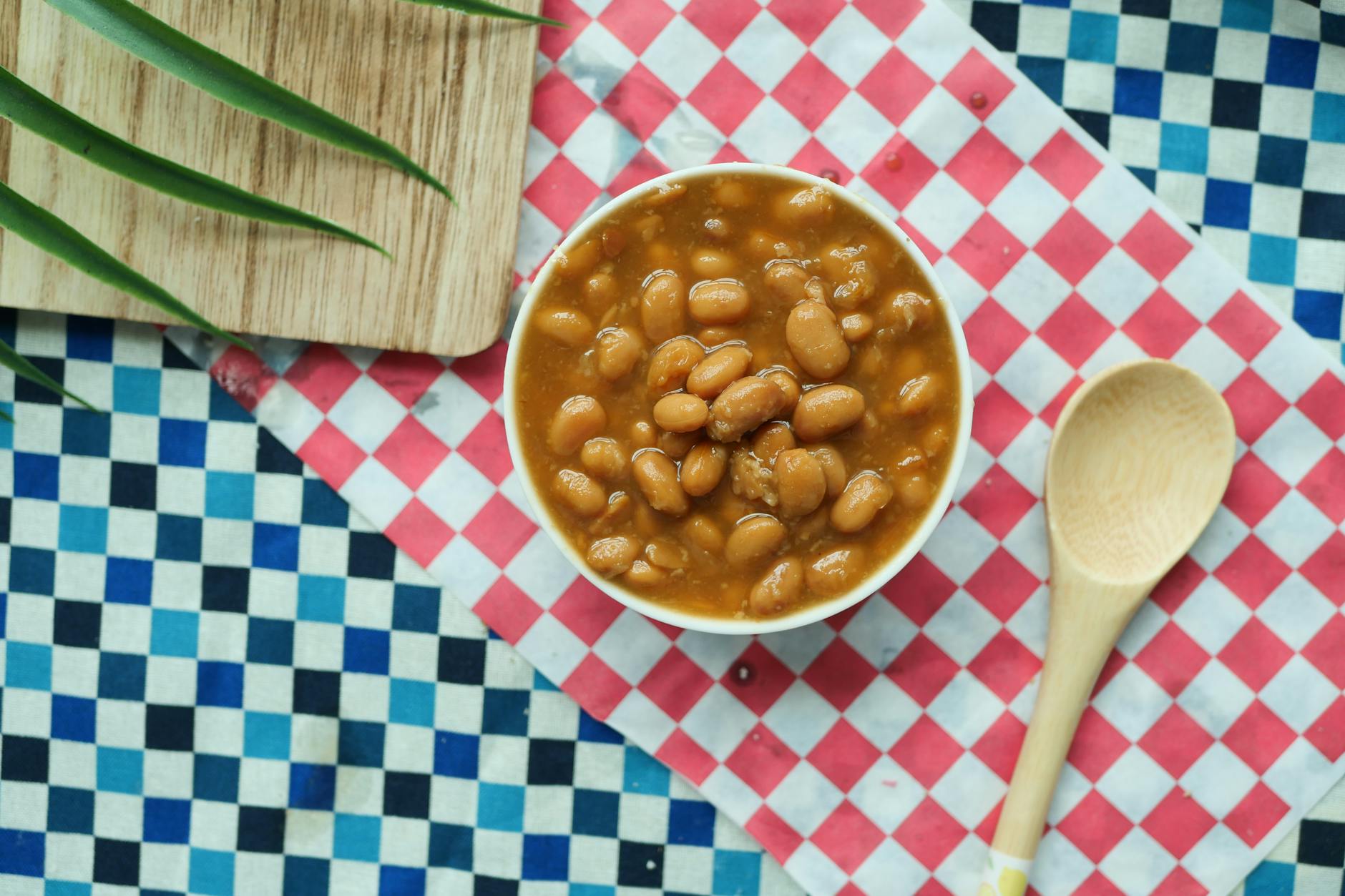
Beans are a staple in many diets, providing fiber, protein, and essential nutrients. However, certain types of beans can become toxic if not prepared properly. Understanding the risks and proper handling methods is crucial to avoid potential poisoning.
Red Kidney Beans
Red Kidney Beans are widely used in chili and stews, but they contain high levels of a toxin called phytohaemagglutinin.
Consuming raw or undercooked red kidney beans can lead to severe nausea, vomiting, and diarrhea within hours.
To reduce toxicity, soak the beans for at least five hours and boil them vigorously for at least ten minutes before consumption.
Fava Beans
Fava Beans are popular in Mediterranean and Middle Eastern cuisines, but they contain compounds that can trigger favism in susceptible individuals.
Favism is a genetic condition that causes hemolytic anemia when exposed to certain compounds in fava beans.
Cooking the beans thoroughly and avoiding raw consumption can significantly reduce the risk. People with glucose-6-phosphate dehydrogenase (G6PD) deficiency should avoid them entirely.
Soybeans
Soybeans are used to make tofu, soy milk, and other products, but raw soybeans contain trypsin inhibitors and lectins.
These toxins can interfere with digestion and damage the gut lining if consumed raw.
Proper cooking or fermenting, such as making tempeh or boiled edamame, eliminates these harmful compounds.
Lima Beans
Lima Beans, especially raw ones, contain cyanogenic glycosides, which can release cyanide when ingested.
Symptoms of cyanide poisoning include headache, dizziness, and, in severe cases, respiratory distress.
Boiling lima beans for at least 15 minutes destroys the cyanide compounds, making them safe for consumption.
Black Beans
Black Beans are a nutritional powerhouse but can be toxic if not cooked correctly.
Like other legumes, they contain lectins that can cause nausea, vomiting, and abdominal pain if eaten raw or undercooked.
Soaking black beans overnight and boiling them thoroughly ensures that these lectins are destroyed.
Mung Beans
Mung Beans are often sprouted for salads or snacks, but sprouting increases the risk of bacterial contamination and toxin formation.
Improperly sprouted or undercooked mung beans can cause foodborne illness and digestive issues.
Cooking the beans or ensuring proper sprouting hygiene is essential to prevent these risks.
Tips For Safe Bean Consumption
- Always soak beans overnight before cooking.
- Boil beans vigorously for the recommended time to destroy toxins.
- Avoid consuming raw or undercooked beans.
- Check specific preparation guidelines for each type of bean.
- Store beans properly to prevent mold and bacterial growth.
Conclusion
Beans provide numerous health benefits, but improper handling or preparation can make them dangerously toxic. Red kidney beans, fava beans, soybeans, lima beans, black beans, and mung beans all require careful cooking and attention to avoid illness. Following proper preparation methods ensures you enjoy their nutritional benefits safely.



Leave a Reply