
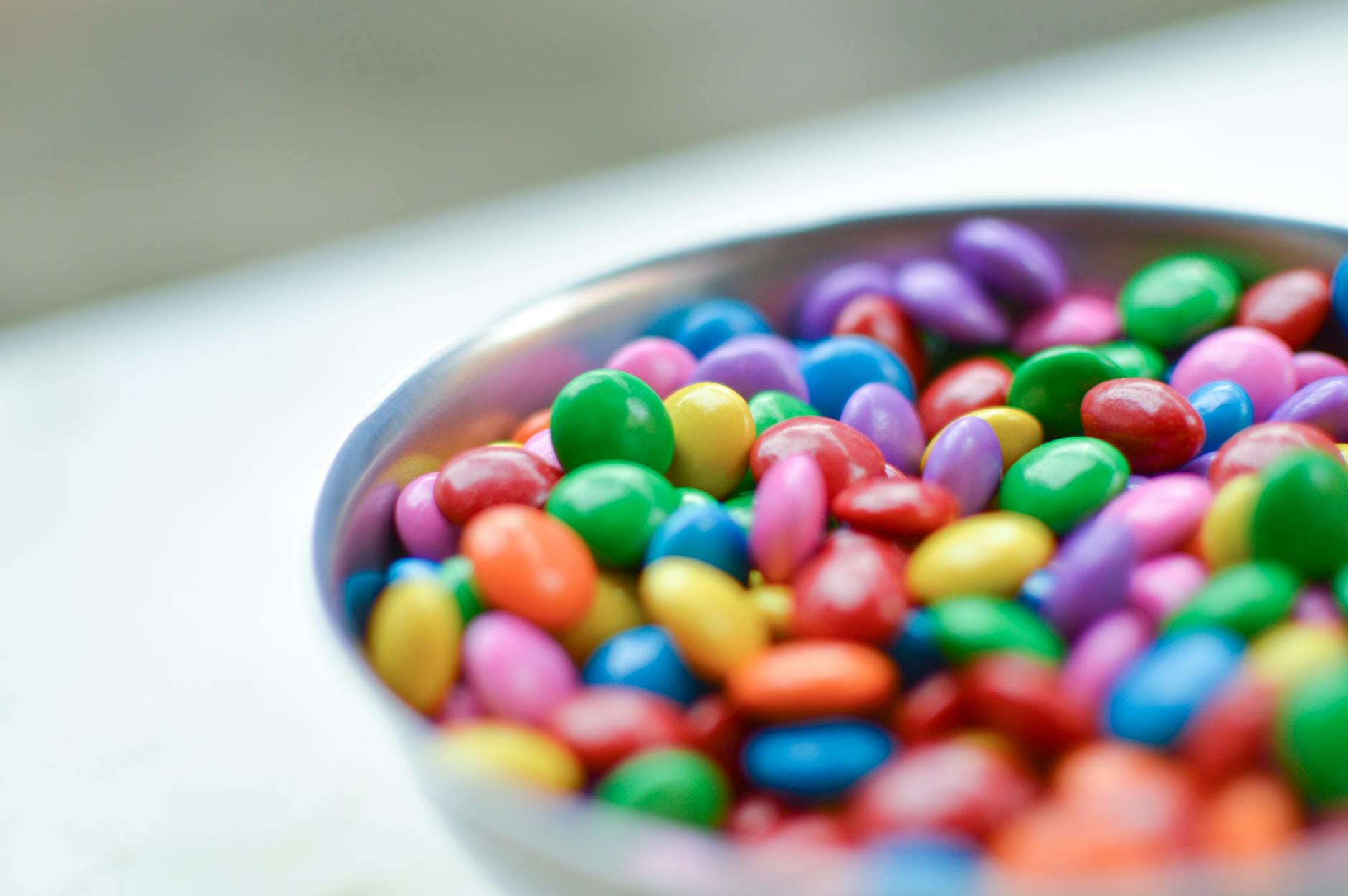
Candy has a unique way of triggering cravings that go beyond simple sweetness. The combination of sugar, texture, flavor intensity, and nostalgia can make certain candies especially hard to stop eating once you start.
Many of the most “addictive” candies share similar traits: they are easy to chew, intensely flavored, or coated in sugar that encourages repeated snacking. While “addictive” in this context does not refer to clinical addiction, it does describe the strong craving effect many people experience.
Sour Patch Kids
Sour Patch Kids are famous for their “sour then sweet” flavor profile.
Sour Patch Kids combine citric acid coating with a sugary gummy center, creating a powerful contrast that keeps taste buds engaged.
The initial sour punch stimulates saliva production, which can make you reach for another piece quickly.
Once the sour coating fades into sweetness, the cycle resets, encouraging continuous snacking.
Their soft texture also makes them easy to eat in large handfuls without realizing it.
Skittles
Skittles are one of the most iconic chewy fruit candies in the world.
Skittles feature bright fruit flavors and a crunchy outer shell that gives way to a chewy center.
The variety of flavors in each bag encourages “flavor cycling,” where people keep eating to experience different tastes.
Their small size also makes portion control difficult, leading to mindless snacking.
Because they are not overly sticky or hard, they are easy to consume rapidly.
Reese’s Peanut Butter Cups
Reese’s Peanut Butter Cups combine sweet chocolate with salty peanut butter.
Reese’s offers a strong sweet-and-salty balance that many people find extremely satisfying.
The creamy peanut butter filling contrasts with the firm chocolate shell, creating a rich texture experience.
This combination of fat, sugar, and salt is often cited as highly crave-inducing in snack foods.
Many consumers report eating more than they initially intended due to the strong flavor pairing.
Several traits make certain candies especially hard to stop eating:
- High sugar content combined with fat
- Contrasting textures
- Strong flavor intensity
- Easy-to-eat small portions
These factors work together to encourage repeated consumption.
Starburst
Starburst are chewy fruit squares known for their intense flavor.
Starburst candies require extended chewing, which can enhance flavor perception and prolong enjoyment.
Each piece is individually wrapped, but once opened, it is easy to keep unwrapping more.
The soft, chewy texture encourages prolonged snacking sessions rather than single-piece consumption.
Their bright fruit flavors also make them highly appealing across a wide age range.
Many people find it difficult to stop at just one or two pieces.
Haribo Goldbears
Haribo Goldbears are one of the most popular gummy candies worldwide.
Haribo gummies are known for their firm texture and concentrated fruit flavor.
The chewiness makes them satisfying to eat, while the variety of flavors keeps consumption interesting.
Because they are small and easy to grab by the handful, portion sizes often increase unintentionally.
Their balance of sweetness and texture contributes to their strong repeat-eating appeal.
M&M’s
M&M’s are a classic chocolate candy with a colorful candy shell.
M&M’s combine chocolate sweetness with a crunchy exterior that creates a satisfying bite.
Their small size makes it easy to eat multiple pieces quickly without much thought.
The variety of versions—peanut, peanut butter, crispy, and more—adds to their appeal.
Because they are often eaten by the handful, it is easy to lose track of quantity consumed.
Why These Candies Are So Hard To Stop Eating
These candies share several common features:
- Strong sugar intensity
- Engaging textures
- Easy portion consumption
- Flavor variety or contrast
Together, these qualities create a snacking experience that encourages repetition.
Conclusion
Sour Patch Kids, Skittles, Reese’s, Starburst, Haribo Goldbears, and M&M’s are all examples of candies that many people find especially hard to stop eating. Their combinations of sugar, texture, and flavor variety make them highly enjoyable—and often difficult to consume in moderation.



Leave a Reply