

Hotel continental breakfasts can be convenient, especially for travelers trying to save time and money. Unfortunately, not every item sitting under a warming lamp or inside a self-serve tray is worth putting on your plate.
Many hotel breakfast foods are highly processed, sit out for long periods, or suffer from poor temperature control. In lower-budget hotels especially, freshness and food quality can vary dramatically from one morning to the next.
While some breakfast staples are generally safe and satisfying, others are best avoided whenever possible.
Powdered Scrambled Eggs
Powdered scrambled eggs are one of the most commonly criticized hotel breakfast foods.
Powdered scrambled eggs are often made from dehydrated egg mixtures combined with water before reheating in bulk trays.
The texture can become rubbery, watery, or sponge-like after sitting under heat lamps for extended periods.
In some hotels, the eggs may remain on warming trays for hours without being refreshed frequently.
The flavor is usually bland, and the consistency rarely resembles freshly cooked eggs.
Self-Serve Waffle Batter
Self-serve waffle stations are popular at many hotels, but the batter itself can sometimes become problematic.
Waffle batter sitting in communal dispensers may remain at unsafe temperatures during busy breakfast hours.
Because dozens of guests handle the machines throughout the morning, cleanliness can also become an issue.
In lower-traffic hotels, batter may sit unused for long periods before being replaced.
The result can be stale flavor, poor texture, or increased food safety concerns.
Sausage Patties Sitting Under Heat Lamps
Hotel sausage patties often spend extended periods sitting in warming trays.
Sausage patties can become greasy, dried out, and overcooked after prolonged exposure to heat lamps.
The quality of the meat itself is frequently lower-grade compared to restaurant breakfast sausage.
In some cases, grease pools inside the tray as the sausage continues cooking long after preparation.
The texture often shifts from juicy to rubbery within a short time.
Several hotel breakfast warning signs may indicate lower food quality:
- Food sitting under heat lamps for extended periods
- Empty trays not being refreshed quickly
- Lukewarm temperatures instead of hot serving conditions
- Excess condensation around hot food containers
These issues can affect both flavor and food safety.
Prepackaged Pastries
Prepackaged pastries may seem harmless, but they are often loaded with preservatives and sugar.
Prepackaged pastries at hotel breakfasts are usually highly processed and designed for long shelf life rather than freshness.
Many contain excessive artificial flavoring, corn syrup, and low-quality oils.
Because they are individually wrapped, some travelers assume they are healthier or fresher than they actually are.
Nutritionally, they are often closer to candy than breakfast food.
Biscuits And Gravy
Biscuits and gravy can be delicious when freshly made, but hotel versions frequently disappoint.
Biscuits and gravy served at continental breakfasts often rely on powdered gravy mixes and frozen biscuits.
The gravy may sit at borderline temperatures for hours, increasing texture and food safety concerns.
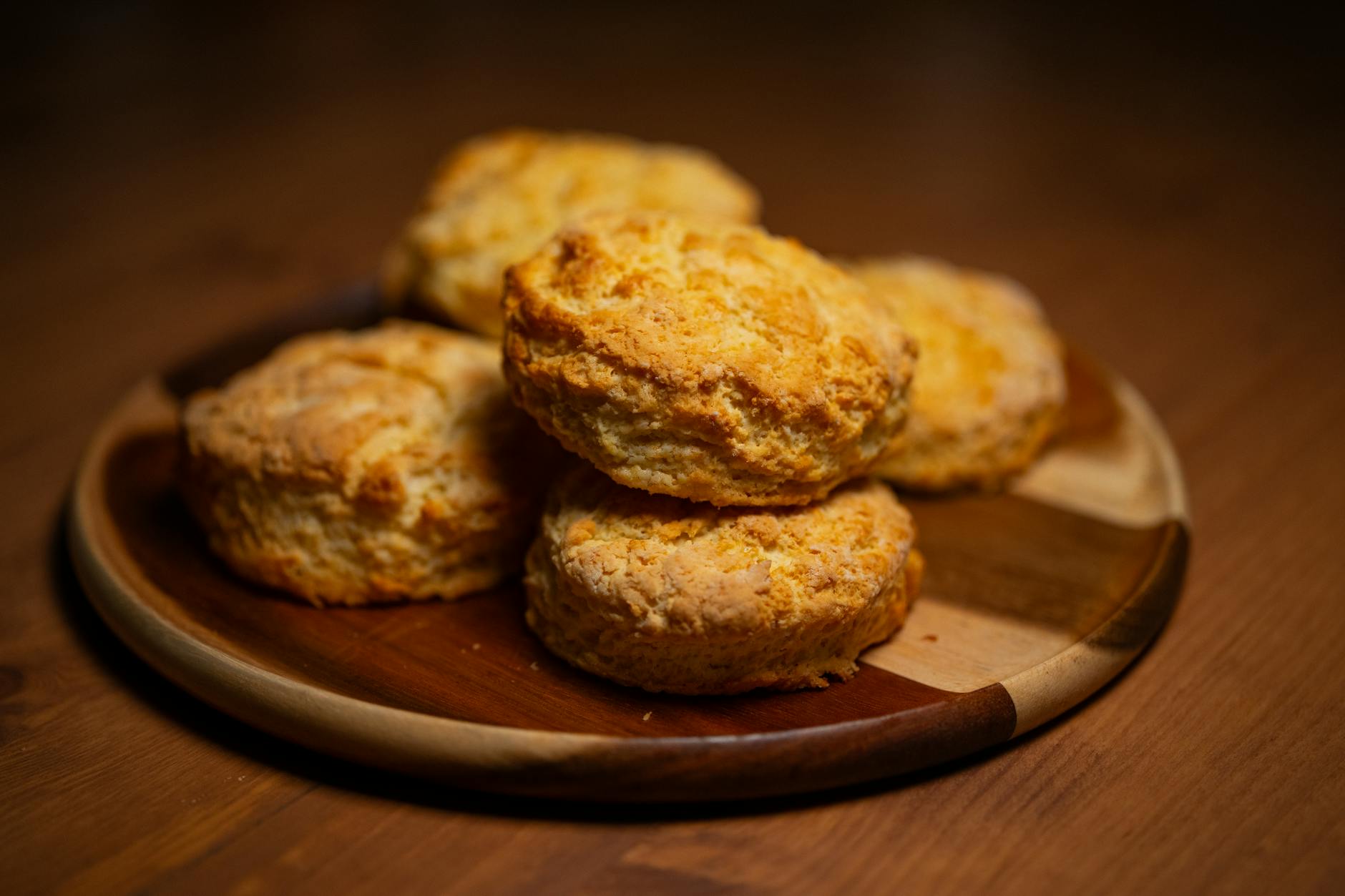
The biscuits themselves are commonly dense, dry, or overly processed.
Poor-quality sausage gravy can also become oily and separated after prolonged warming.
Cut Fruit Sitting Out Too Long
Cut fruit may appear like one of the healthiest breakfast options, but timing matters significantly.
Cut fruit exposed to open-air buffet conditions for extended periods can lose freshness quickly.
Melons, pineapple, and berries become especially vulnerable to texture breakdown and bacterial growth if not properly chilled.
In some hotels, fruit trays may simply be topped off instead of fully replaced.
Fresh-looking fruit is usually safest when the tray appears recently stocked and properly refrigerated.
Why Hotel Breakfast Quality Varies So Much
Continental breakfast quality depends heavily on:
- Hotel staffing levels
- Food turnover rates
- Temperature management
- Ingredient quality and supplier standards
Higher-end hotels generally rotate food more frequently and maintain stricter freshness standards.
Conclusion
Powdered eggs, communal waffle batter, heat-lamp sausage, packaged pastries, low-quality biscuits and gravy, and aging fruit trays are all hotel breakfast items that can disappoint in terms of quality, freshness, or safety. Travelers who choose simpler, freshly stocked options often have a much better breakfast experience overall.

Leave a Reply