
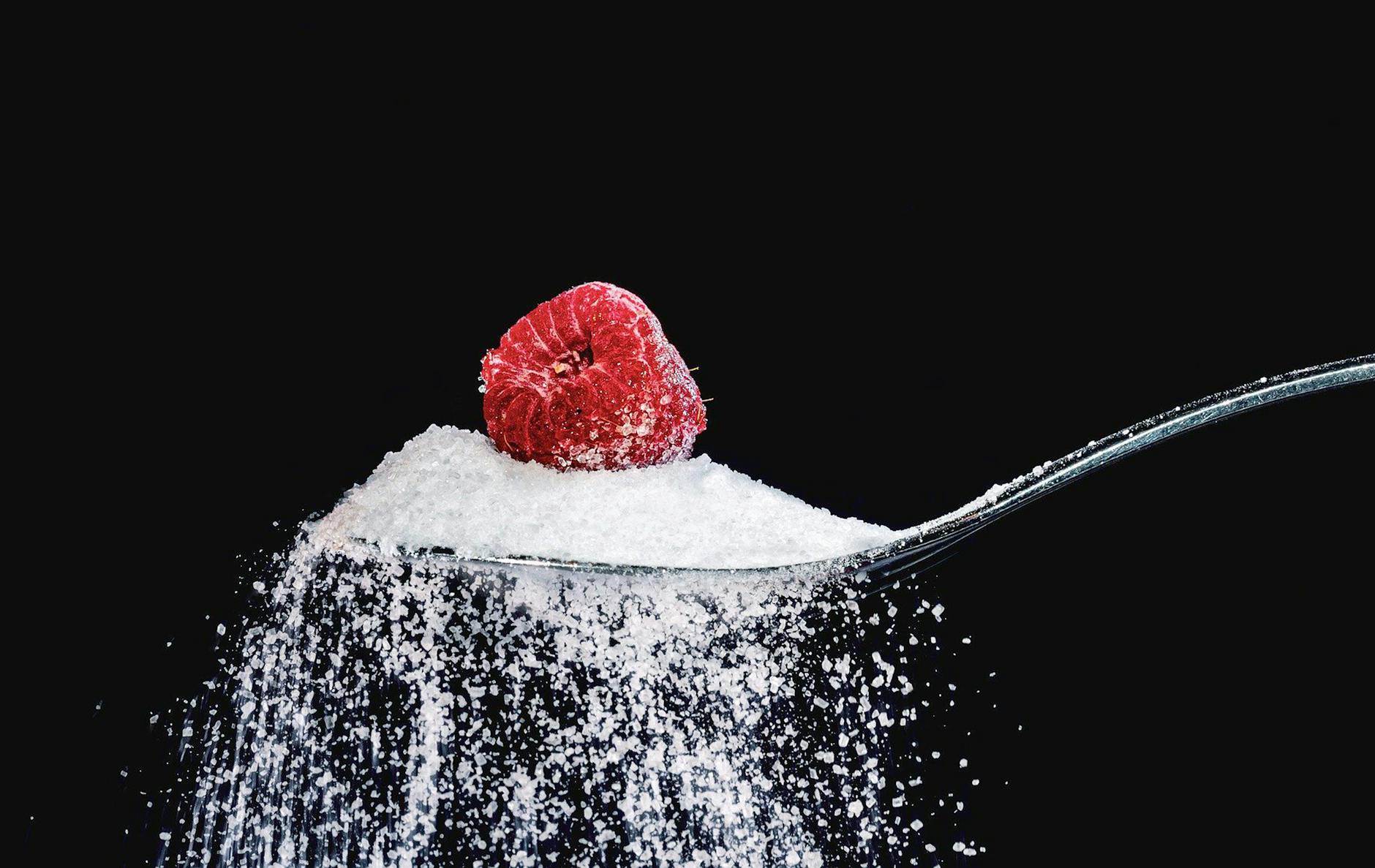
Sugar alternatives have become extremely popular as consumers try to reduce calories, manage blood sugar, or avoid traditional sweeteners. Artificial sweeteners and sugar substitutes now appear in everything from diet sodas to protein bars and sugar-free desserts.
While many of these products are approved for consumption in moderate amounts, some have faced scrutiny over potential side effects, including concerns involving eye health and vision disturbances. In several cases, reports involve temporary symptoms, while others center around broader metabolic or neurological concerns that may indirectly affect eyesight.
Aspartame
Aspartame is one of the most widely used artificial sweeteners in the world.
It appears in diet sodas, sugar-free gum, yogurt, and countless low-calorie products.
Some consumers have reported side effects including blurred vision, light sensitivity, and headaches after consuming large amounts.
Although scientific evidence remains mixed, anecdotal complaints involving visual disturbances have circulated for decades.
Researchers continue studying whether certain individuals may be more sensitive to neurological effects linked to aspartame consumption.
People with specific metabolic disorders like phenylketonuria must avoid it entirely.
Saccharin
Saccharin became famous as one of the earliest artificial sweeteners used in diet foods.
Some older reports connected excessive saccharin consumption with headaches and temporary blurred vision in sensitive individuals.
Although modern safety reviews generally consider saccharin acceptable within approved limits, concerns about artificial additives still remain among some health experts.
Vision symptoms linked to sweeteners often appear alongside migraines or neurological discomfort.
The relationship may involve indirect nervous system responses rather than direct eye damage.
Sucralose
Sucralose is commonly sold under major sugar substitute brands and appears heavily in processed low-calorie foods.
Some consumers report experiencing headaches, dizziness, or visual discomfort after consuming products containing sucralose.
Researchers have debated whether gut microbiome disruption or inflammatory responses could contribute to broader neurological symptoms in certain people.
While strong evidence of direct eye damage remains limited, reports involving visual side effects continue appearing in consumer complaints.
Sensitivity varies widely between individuals.
Sugar Alcohols
Sugar alcohol include ingredients such as erythritol, xylitol, and sorbitol.
These sweeteners are frequently used in sugar-free candy, gum, and keto-friendly foods.
Certain sugar alcohols may trigger migraines or severe digestive distress in sensitive people.
Migraine episodes themselves can include blurred vision, flashing lights, or temporary visual disturbances.
Some researchers have also explored possible links between blood vessel effects and neurological symptoms.
The risk often depends on overall sensitivity and consumption levels.
Several sugar substitutes have raised concerns because they may:
- Trigger migraines or headaches
- Cause neurological sensitivity in some individuals
- Contribute to inflammation or metabolic stress
- Produce temporary visual symptoms in susceptible consumers
Not everyone experiences these reactions equally.
Cyclamate
Cyclamate remains banned in the United States but is still used in some countries internationally.
Historically, cyclamate became controversial due to safety concerns surrounding long-term consumption.
Some reports connected heavy use with headaches and possible neurological symptoms that included blurred vision.
Although evidence remains debated, its regulatory history continues fueling skepticism.
Cyclamate remains one of the more controversial sweeteners ever introduced commercially.
Why Vision Symptoms Sometimes Occur
Vision-related complaints connected to sweeteners may involve:
- Migraine activity
- Neurological sensitivity
- Blood sugar fluctuations
- Inflammatory responses
Many reported symptoms are temporary rather than permanent.
Conclusion
Aspartame, saccharin, sucralose, sugar alcohols, and cyclamate have all faced varying levels of scrutiny regarding potential neurological or vision-related side effects. While scientific evidence differs widely depending on the sweetener and individual sensitivity, some consumers continue reporting symptoms such as headaches, blurred vision, or visual discomfort after consuming certain sugar substitutes. Moderation and personal awareness remain important when using heavily processed sweeteners.



Leave a Reply