
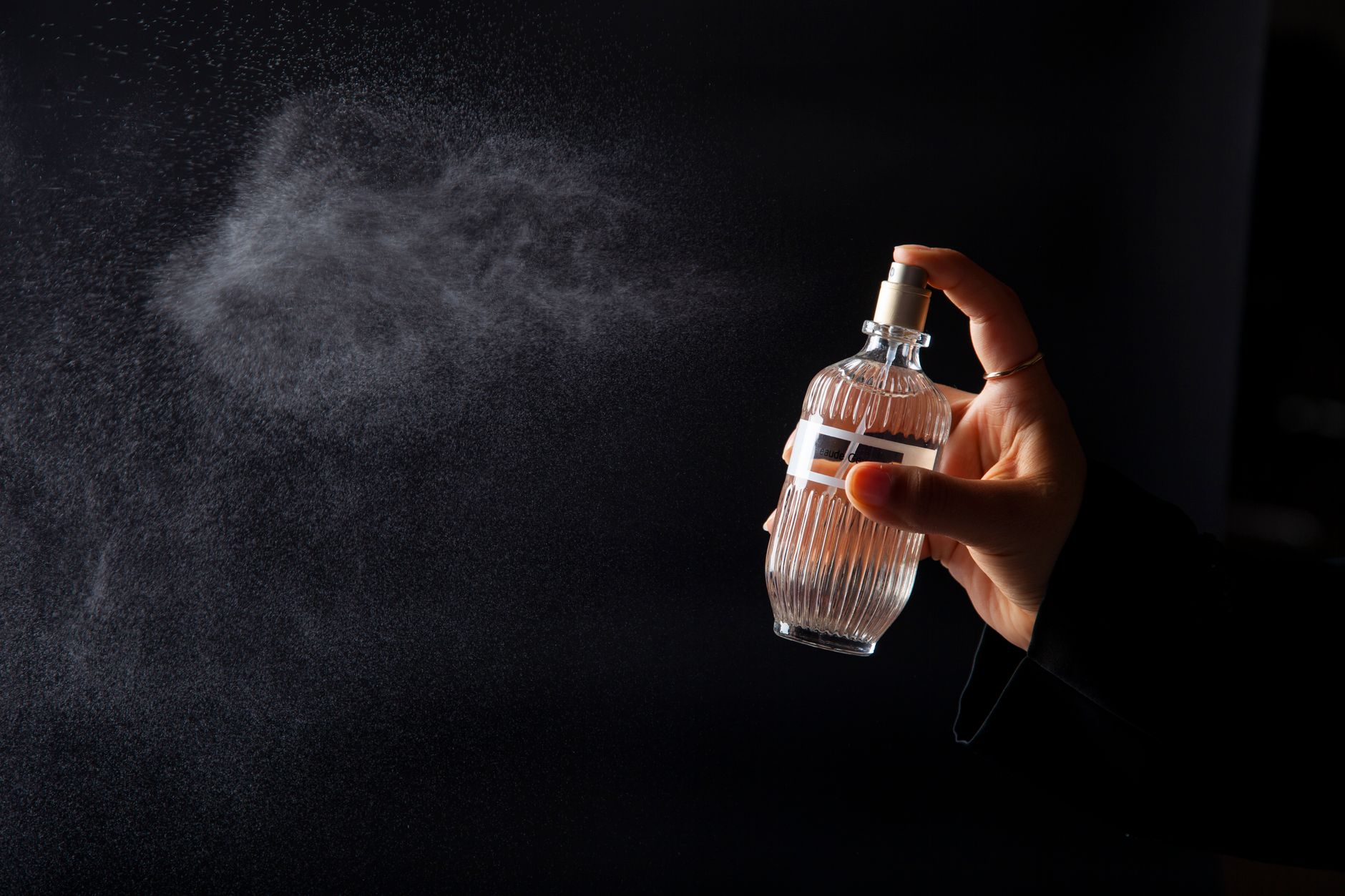
Artificial fragrances appear in countless everyday products, including perfumes, air fresheners, candles, detergents, shampoos, and cleaning sprays. While these scents are designed to make products more appealing, some fragrance chemicals have raised health concerns over the years due to possible links to respiratory irritation, cellular damage, and cancer risks involving the nasal passages and upper airway.
It is important to note that research on fragrance-related cancer risks remains complex and sometimes inconclusive. However, certain compounds used in synthetic fragrances have faced scrutiny from toxicologists and regulatory agencies because of animal studies, workplace exposure concerns, or long-term inhalation risks.
Formaldehyde-Releasing Fragrances
Formaldehyde is not technically a fragrance itself, but some fragranced products release formaldehyde over time.
Formaldehyde exposure has been linked to certain cancers involving the nasal cavity and upper respiratory tract.
The chemical may appear indirectly in air fresheners, scented cleaners, and personal care products.
Long-term inhalation exposure remains the primary concern.
Highly fragranced indoor environments may increase repeated low-level exposure over time.
Workers in industries involving chemical fragrances historically faced especially elevated risks.
Benzaldehyde
Benzaldehyde is commonly used to create almond or cherry-like scents.
The ingredient appears in perfumes, soaps, candles, and flavored products.
Although small amounts are generally considered safe, inhalation of concentrated airborne chemicals may irritate the respiratory system.
Some toxicology studies have explored whether repeated exposure to volatile aromatic compounds could contribute to tissue irritation in the nasal passages.
Chronic irritation can sometimes raise broader long-term health concerns.
Research continues regarding cumulative exposure effects.
Styrene
Styrene is used in plastics manufacturing but can also appear in fragranced products and air fresheners.
The chemical has faced scrutiny because of possible carcinogenic properties.
Some studies involving industrial workers linked styrene exposure to respiratory irritation and increased cancer concerns.
Inhaled airborne chemicals may place stress on delicate nasal tissues over time.
While consumer-level exposure is typically lower than occupational exposure, health experts still debate long-term risks from repeated indoor inhalation.
Musk Ketone
Musk ketone became popular in perfumes and scented cosmetic products.
Synthetic musk compounds gained attention because they can accumulate in human tissue and persist in the environment.
Some toxicologists have questioned whether long-term exposure to certain synthetic musks may contribute to cellular stress or endocrine disruption.
Although direct evidence involving nasal cancer remains limited, inhalation safety concerns continue to be studied.
Artificial musk ingredients remain controversial among some environmental health researchers.
Limonene Oxidation Byproducts
Limonene itself occurs naturally in citrus oils and is widely used in fragranced cleaners and air fresheners.
However, when limonene reacts with ozone indoors, it can create secondary airborne pollutants such as formaldehyde-like compounds.
These chemical reactions may contribute to respiratory irritation and indoor air quality concerns.
Repeated inhalation of reactive airborne chemicals may negatively affect nasal tissues over long periods.
Heavily fragranced indoor environments sometimes contain more airborne chemical particles than many consumers realize.
Several fragrance ingredients have raised concerns because they may:
- Irritate nasal tissues
- Increase respiratory inflammation
- Produce harmful airborne byproducts
- Contribute to long-term inhalation exposure risks
Indoor air quality plays a major role in exposure levels.
Why Fragrance Chemicals Raise Health Questions
Researchers continue studying fragrance chemicals because:
- Many products contain undisclosed fragrance blends
- Long-term inhalation effects remain difficult to measure
- Multiple chemicals may combine indoors
- Chronic exposure occurs daily for many consumers
Sensitivity levels also vary greatly between individuals.
Conclusion
Formaldehyde-releasing compounds, benzaldehyde, styrene, musk ketone, and limonene-related byproducts have all faced varying degrees of scrutiny regarding respiratory and potential cancer-related concerns. While occasional exposure to fragranced products may not pose major risks for most people, heavy long-term inhalation of synthetic fragrance chemicals continues attracting attention from researchers studying indoor air quality and upper respiratory health.



Leave a Reply