
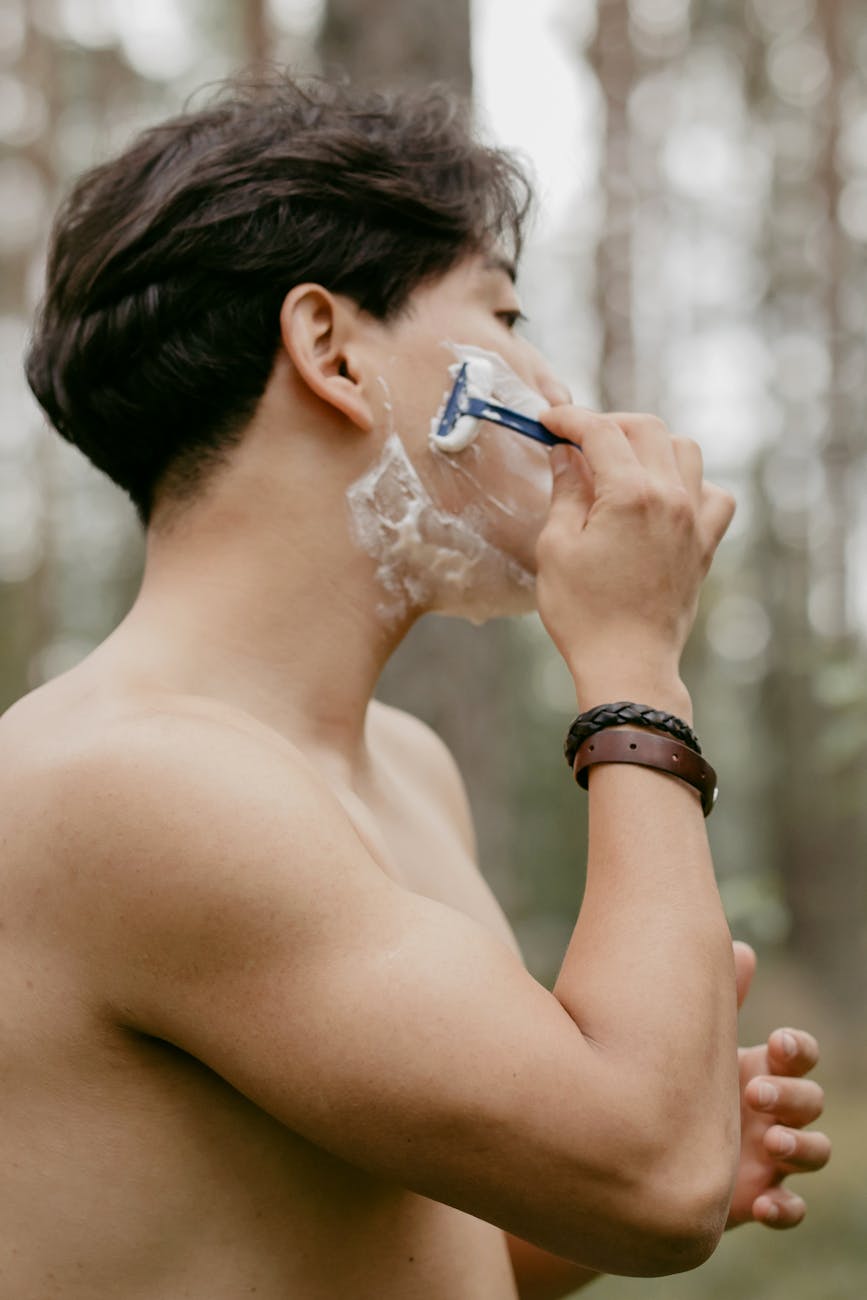
ngrown hairs are one of the most frustrating side effects of shaving. They occur when shaved hairs curl back into the skin instead of growing outward normally. This can lead to redness, irritation, bumps, itching, and even painful inflammation.
While some people are naturally more prone to ingrown hairs due to hair texture or skin type, shaving habits often play a major role. Small mistakes in technique or skincare can dramatically increase the chances of irritation and trapped hairs.
Shaving Too Closely
Shaving extremely close to the skin may feel smoother initially, but it increases the risk of hairs curling back beneath the surface.
Multi-blade razors are especially aggressive because they can pull hairs below skin level before cutting them.
As the hair begins growing back, it may become trapped under the skin instead of emerging properly.
This is particularly common in areas with curly or coarse hair.
A slightly less aggressive shave often reduces irritation significantly.
Using A Dull Razor
A dull razor blade creates uneven cuts and requires more pressure during shaving.
Extra pressure can irritate the skin and create tiny abrasions that make ingrown hairs more likely.
Dull blades also tug on hairs instead of cutting them cleanly.
This can cause hairs to bend awkwardly or break beneath the skin’s surface.
Replacing razor cartridges regularly is one of the easiest ways to reduce shaving irritation.
Shaving Against The Grain
Shaving against the direction of hair growth creates a closer shave, but it also increases the chance of ingrown hairs.
When hair is cut too sharply or too short, it may curl inward during regrowth.
People with coarse or curly hair are especially prone to this issue.
Shaving with the grain may not feel quite as smooth initially, but it is often much gentler on the skin.
This small adjustment can make a noticeable difference over time.
Skipping Exfoliation
Dead skin cells can block hair follicles and trap growing hairs beneath the surface.
Without exfoliation, shaved hairs may struggle to break through the skin properly.
Gentle exfoliation removes buildup and helps keep pores and follicles clear.
This can be done using exfoliating cleansers, soft brushes, or mild chemical exfoliants.
Over-exfoliating, however, can irritate the skin and make the problem worse.
Dry Shaving Without Proper Preparation
Shaving dry skin creates more friction and increases the likelihood of irritation.
Hair becomes softer and easier to cut after exposure to warm water.
Using shaving cream or gel helps reduce drag between the razor and skin.
Dry shaving often leads to uneven cuts and microscopic skin damage.
Proper preparation is especially important in sensitive areas.
Several habits commonly increase ingrown hair risk:
- Using old razor blades
- Shaving too aggressively
- Skipping exfoliation
- Applying too much pressure while shaving
Small technique changes can greatly improve skin comfort.
Wearing Tight Clothing After Shaving
Tight clothing can rub freshly shaved skin and push hairs back toward the surface.
This friction may irritate follicles and encourage hairs to grow sideways or inward.
The issue is especially common after shaving areas like the neck, bikini line, or legs.
Breathable fabrics and looser clothing help reduce post-shave irritation.
Allowing the skin time to recover can lower the risk of bumps forming.
Having Naturally Curly Or Coarse Hair
Hair texture plays a major role in ingrown hair formation.
Curly hairs naturally bend as they grow, making them more likely to re-enter the skin.
People with coarse hair may also experience sharper regrowth after shaving.
This combination increases the chances of irritation and follicle inflammation.
Alternative hair removal methods may sometimes work better for highly sensitive skin.
Why Prevention Matters
Repeated ingrown hairs can lead to:
- Persistent irritation
- Dark spots or scarring
- Infection risk
- Chronic shaving discomfort
Consistent shaving habits are often the key to long-term improvement.
Conclusion
Shaving too closely, using dull blades, shaving against the grain, skipping exfoliation, dry shaving, wearing tight clothing, and naturally curly hair can all contribute to recurring ingrown hairs. Fortunately, improving shaving technique and skincare habits can significantly reduce irritation and help skin stay smoother and healthier over time.




Leave a Reply