
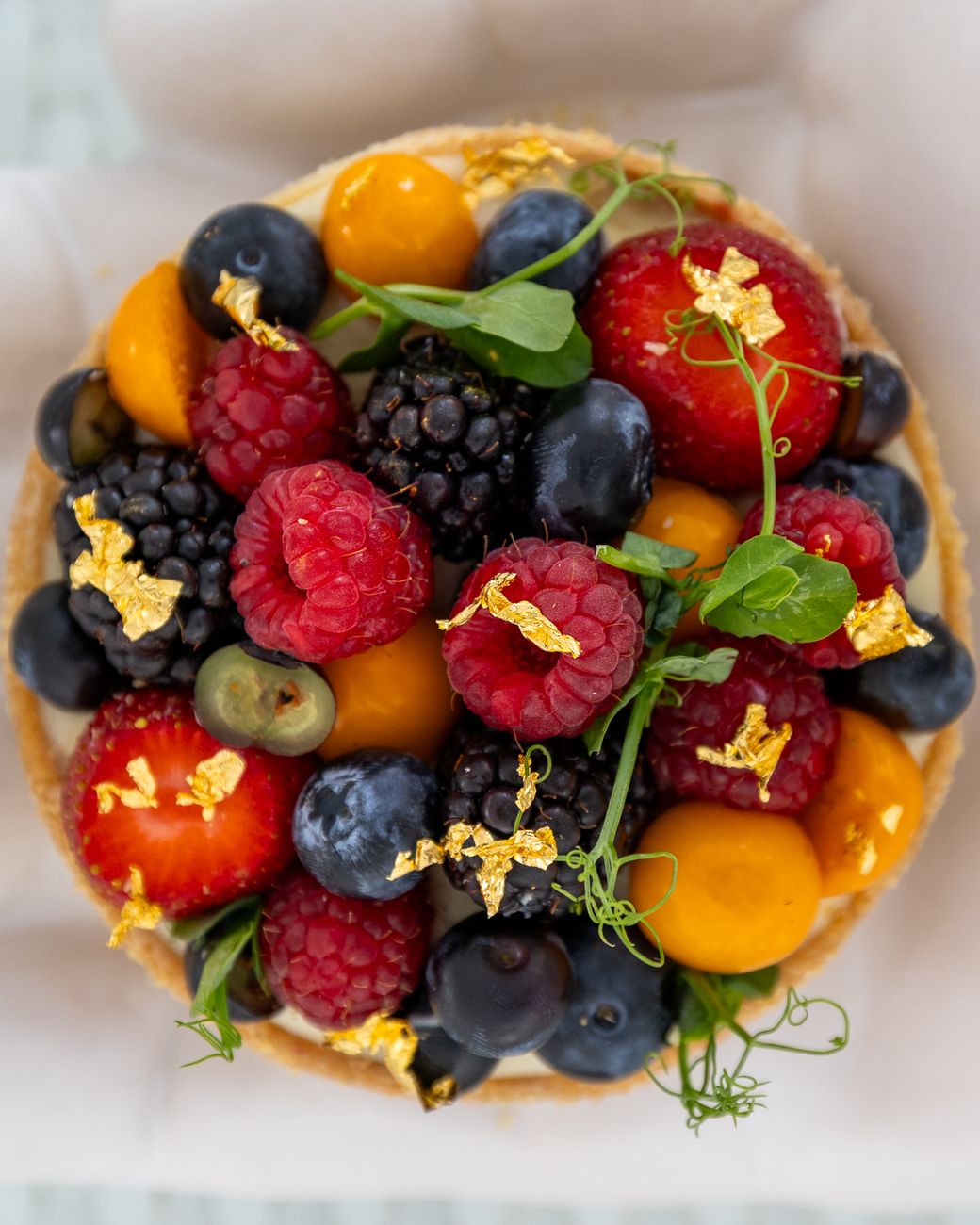
Food trends have always evolved, but in recent years, the rise of “designer” food culture has pushed presentation and gimmicks far beyond practicality. Social media, influencer marketing, and viral restaurant concepts have encouraged dishes that look impressive on camera but often fall apart in real-world dining experiences.
While creativity in food is welcome, some trends prioritize aesthetics over flavor, portion balance, or even basic usability. The result is often overpriced, messy, or unnecessarily complicated meals that don’t deliver on taste.
Overloaded Milkshakes
milkshake have become extreme “showpiece” desserts stacked with entire slices of cake, donuts, cookies, candy, and syrups.
While visually dramatic, these over-the-top creations are often impossible to drink without dismantling them first.
The excessive sugar content can also overwhelm the actual ice cream flavor.
Many restaurants charge premium prices for what is essentially a novelty dessert rather than a balanced drink.
A simpler, well-made milkshake often tastes far better than these overloaded versions.
Gold Leaf Everything
edible gold leaf has become a symbol of luxury dining, but its use is often purely decorative.
Gold leaf adds no flavor and very little texture, yet it frequently increases the price of dishes significantly.
It is commonly used on burgers, sushi, steaks, and desserts to create a sense of exclusivity.
Many diners feel the ingredient is more about marketing than culinary value.
The trend often distracts from the actual quality of the food underneath.
Deconstructed Desserts
deconstructed dessert attempt to separate classic desserts into individual components arranged artfully on a plate.
Instead of a cohesive slice of cake or pie, diners receive scattered sauces, crumbs, and creams.
While intended to feel innovative, the experience can be confusing and impractical.
Many guests end up reconstructing the dessert themselves just to eat it properly.
Traditional desserts often provide a more satisfying and intuitive experience.
Activated Charcoal Foods
activated charcoal became popular in trendy cafes and health-focused restaurants.
It is used in everything from ice cream to lattes and burger buns for its dramatic black color.
However, its actual culinary benefit is limited, and it can interfere with medication absorption.
The striking appearance often matters more than flavor or nutritional value.
Many diners view it as a short-lived aesthetic trend rather than a meaningful ingredient.
Oversized “Instagram Burgers”
gourmet burger have been pushed to extremes with towering stacks of bacon, cheese, onion rings, and multiple patties.
These burgers often become physically difficult to eat, requiring skewers or forks just to hold together.
Flavor balance is frequently lost under excessive layering.
While visually impressive, they are rarely practical for a casual meal.
A well-balanced, properly sized burger usually delivers far better eating satisfaction.
Several designer food trends fall short because they:
- Prioritize visual appeal over flavor
- Increase unnecessary complexity
- Make dishes difficult to eat
- Add cost without improving quality
Simple food often performs better than overly engineered presentations.
Molecular Gastronomy Foam Overuse
molecular gastronomy foam was once considered cutting-edge fine dining innovation.
While small amounts of foam can enhance dishes, overuse has become a controversial trend.
Some restaurants serve plates covered in airy foams that add little substance or flavor.
The texture can feel disconnected from the rest of the dish.
When overused, it can make meals feel more like experiments than satisfying food.
Smoke-In-A-Cloche Presentations
smoked food presentation often involves trapping smoke under glass domes that are released at the table.
While visually striking, the smoky effect is usually fleeting and does not significantly improve flavor.
The presentation can overshadow the actual quality of the dish.
In some cases, the smoke adds more theater than taste.
Many diners enjoy the spectacle once, but find it unnecessary on repeat visits.
Why These Trends Persist
Designer food trends continue because they:
- Perform well on social media
- Create “wow factor” experiences
- Justify higher menu prices
- Encourage viral marketing
However, visual impact does not always equal better dining.
Conclusion
Overloaded milkshakes, gold leaf dishes, deconstructed desserts, activated charcoal foods, oversized burgers, foam-heavy molecular gastronomy, and smoke-in-a-cloche presentations all highlight how far presentation can sometimes drift from practicality. While these trends can be entertaining, many diners ultimately prefer food that tastes great, feels balanced, and is easy to enjoy without theatrics.




Leave a Reply