
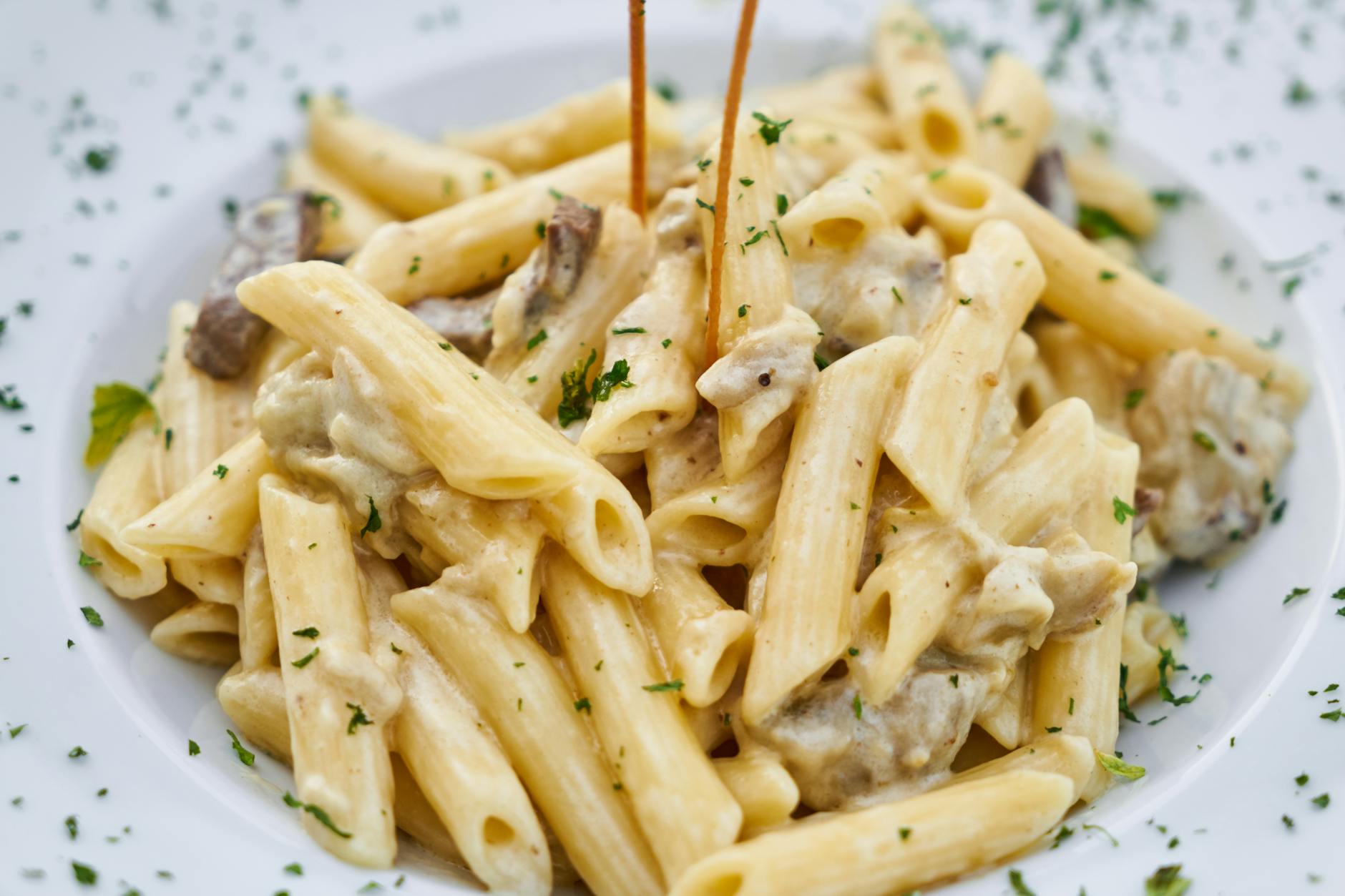
Pasta is one of the most beloved comfort foods in the world. Whether covered in creamy Alfredo sauce, rich tomato sauce, or baked under melted cheese, a good pasta dish can feel satisfying and indulgent.
However, not every restaurant handles pasta well. Some chains rely heavily on frozen sauces, overcooked noodles, or oversized portions that prioritize quantity over flavor and freshness.
In many cases, diners end up paying premium prices for pasta dishes that taste bland, greasy, or overly processed compared to what they could easily make at home.
Applebee’s
Applebee’s offers several pasta dishes, but many customers feel they lack freshness and consistency.
Complaints often center around overly salty sauces, mushy noodles, and heavy cream-based recipes that feel more processed than homemade.
Because the chain’s menu is extremely broad, pasta sometimes feels like an afterthought rather than a specialty.
Many diners also note that reheated textures can become noticeable during busy service periods.
The portions may be large, but flavor quality often fails to stand out.
Chili’s
Chili’s is primarily known for burgers, fajitas, and Tex-Mex offerings, not Italian cuisine.
Its pasta dishes are frequently criticized for relying on generic sauces and overcooked noodles.
Customers often describe the meals as overly rich without much seasoning complexity.
Some pasta plates also arrive oily or lacking proper sauce balance.
While the restaurant succeeds with many comfort-food items, pasta is rarely considered one of its strengths.
Denny’s
Denny’s focuses heavily on breakfast and diner classics, but its pasta dishes often receive mixed reviews.
The noodles can sometimes become overly soft from extended holding times in busy kitchens.
Many diners also feel the sauces taste mass-produced rather than freshly prepared.
Because pasta is not central to the restaurant’s identity, quality control can vary significantly between locations.
Customers seeking authentic Italian-style meals are often left disappointed.
Buffalo Wild Wings
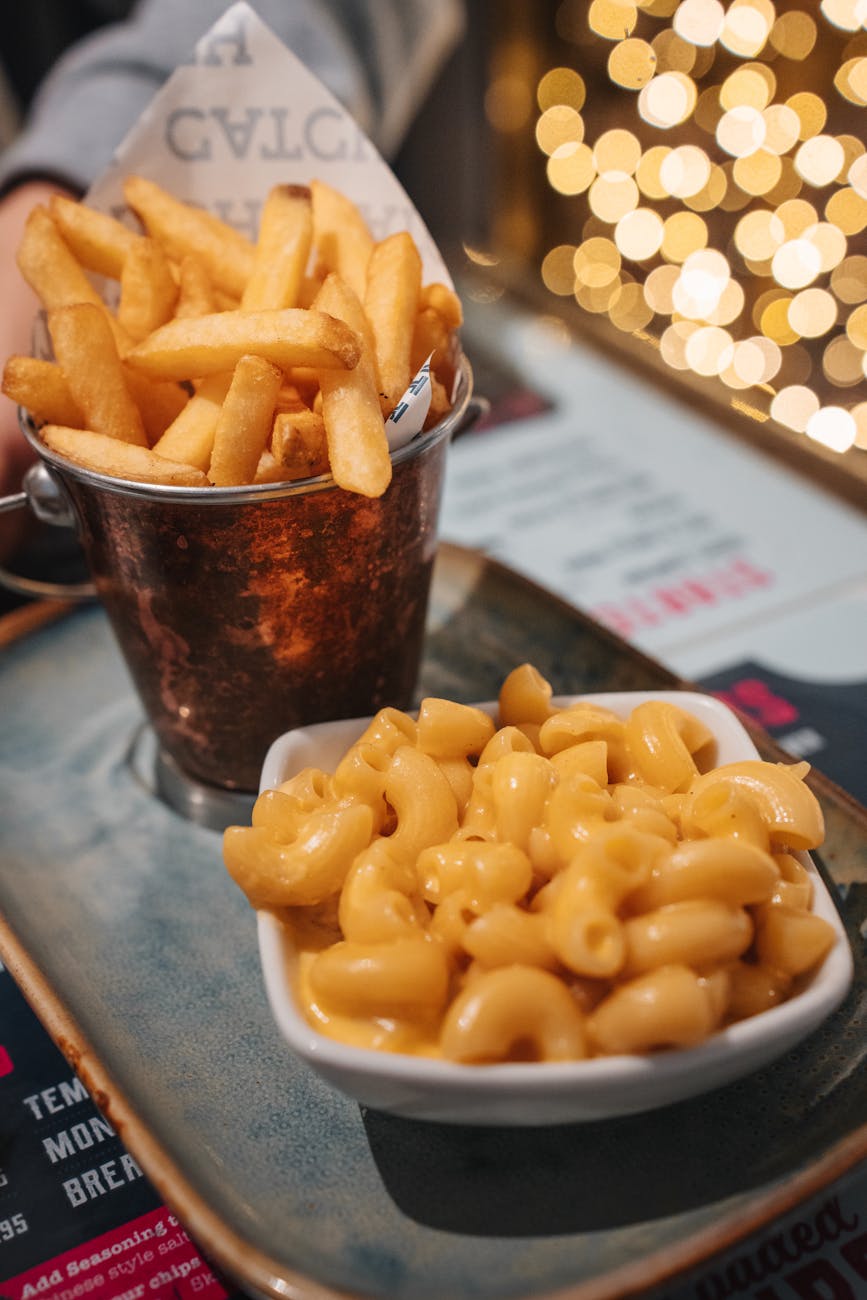
Buffalo Wild Wings has experimented with pasta dishes and mac-and-cheese-style offerings over the years.
However, the chain’s primary expertise clearly centers on wings and sports-bar food rather than pasta preparation.
Some diners report dry noodles, excessive grease, and sauces that overpower rather than complement the dish.
The fast-paced sports-bar environment also does not always lend itself to carefully prepared pasta meals.
Many customers find the chain’s appetizers and wings far more reliable.
Several warning signs often indicate weak restaurant pasta:
- Overcooked noodles
- Excessively oily sauces
- Bland seasoning
- Heavy reliance on frozen ingredients
Fresh preparation usually makes the biggest difference.
IHOP
IHOP occasionally offers pasta dishes despite being best known for pancakes and breakfast foods.
Customers frequently criticize the pasta for lacking freshness and depth of flavor.
Cream sauces can taste overly thick or artificial, while noodle texture often suffers from inconsistent preparation.
Because breakfast dominates the kitchen focus, pasta dishes sometimes feel secondary in both quality and execution.
Most diners agree the restaurant performs much better with breakfast comfort foods.
Ruby Tuesday
Ruby Tuesday has offered pasta dishes ranging from Cajun-style chicken pasta to baked options.
However, many customers feel the chain struggles with sauce consistency and seasoning balance.
The pasta can sometimes arrive watery or excessively creamy depending on preparation timing.
Some diners also feel the ingredients lack freshness compared to dedicated Italian chains.
While the salad bar remains popular, the pasta menu often receives less enthusiasm.
Why Pasta Quality Matters
Pasta may seem simple, but small mistakes dramatically affect the final dish.
Key factors include:
- Proper noodle texture
- Fresh sauce preparation
- Balanced seasoning
- Ingredient quality
Even basic pasta dishes can disappoint when shortcuts are obvious.
Better Alternatives To Chain Pasta
When dining out, many food experts recommend:
- Ordering house specialties instead of generic pasta
- Choosing restaurants focused on Italian cuisine
- Looking for fresh-made sauces
- Avoiding overloaded cream-heavy dishes
Specialized restaurants usually provide better pasta consistency.
Conclusion
Applebee’s, Chili’s, Denny’s, Buffalo Wild Wings, IHOP, and Ruby Tuesday are all chains that frequently receive criticism for underwhelming pasta dishes. While these restaurants succeed in other categories, pasta often feels secondary to their core menu strengths. Overcooked noodles, heavy sauces, and inconsistent preparation can leave diners disappointed, especially when compared to more specialized Italian restaurants. Choosing a restaurant known specifically for pasta usually leads to a far more satisfying dining experience.


Leave a Reply