
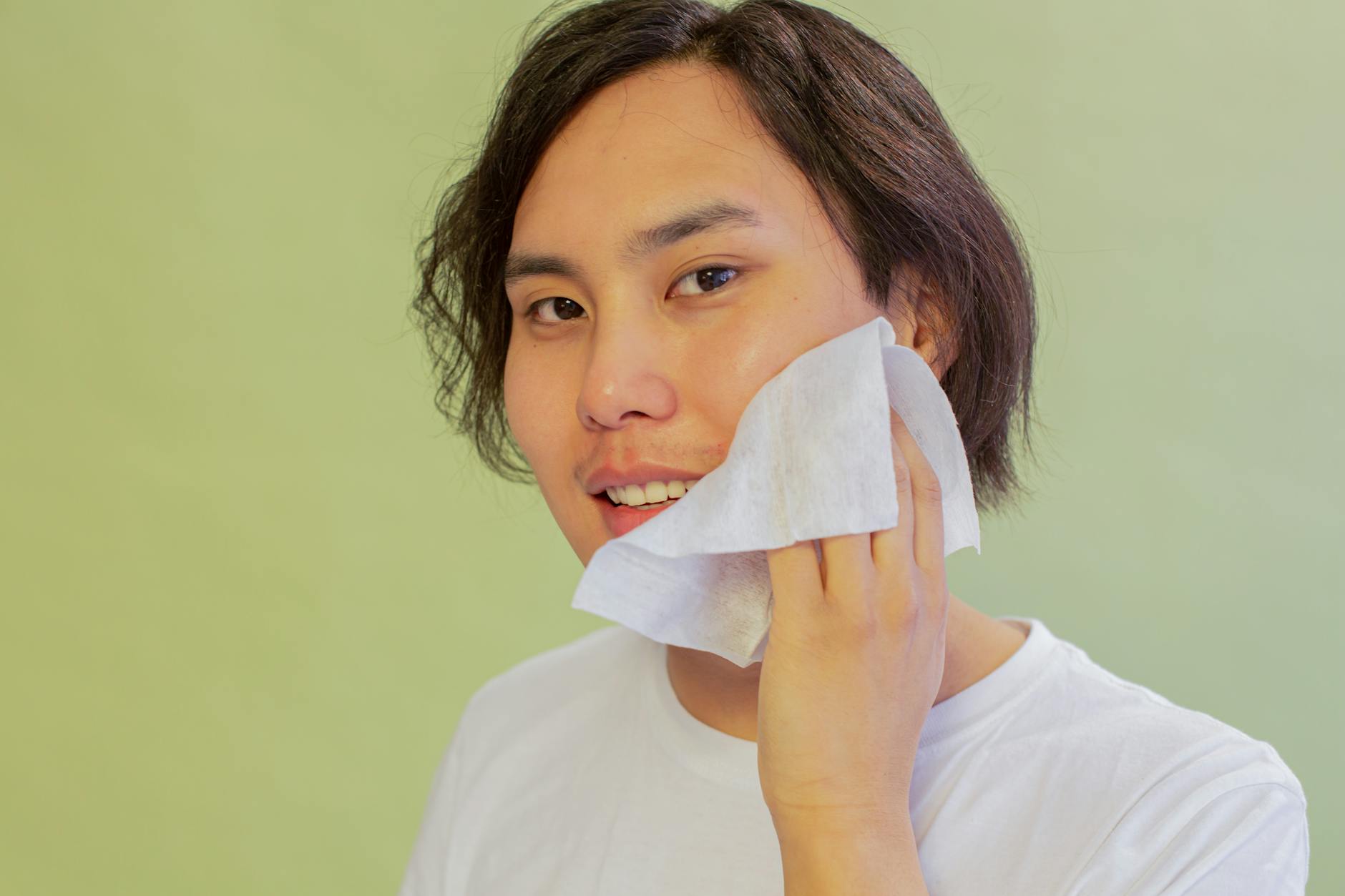
Face wipes became extremely popular because they offer quick makeup removal and convenient skincare on the go. Many consumers use them daily for cleansing, refreshing skin, or removing cosmetics before bed.
However, some dermatologists and health researchers have raised concerns about certain ingredients commonly found in facial wipes. While no face wipe directly “causes” cancer on its own, some products contain preservatives, fragrance compounds, or chemical contaminants that have faced scrutiny over potential long-term health effects.
Repeated skin exposure over many years has fueled conversations about whether some ingredients deserve closer regulation or consumer caution.
Neutrogena Makeup Remover Cleansing Towelettes
Neutrogena Makeup Remover Cleansing Towelettes are among the most recognizable facial wipes on the market.
The wipes contain cleansing agents, preservatives, and fragrance ingredients designed for convenience and shelf stability.
Some consumer advocates have questioned prolonged exposure to certain preservatives and fragrance compounds that may release trace amounts of formaldehyde over time.
Formaldehyde exposure has been linked to cancer risks in high occupational exposure settings, although cosmetic exposure levels are typically much lower.
Still, frequent long-term use of heavily fragranced skincare products remains an ongoing concern for some dermatologists and researchers.
Simple Kind To Skin Cleansing Wipes
Simple markets its wipes as gentle and sensitive-skin friendly.
However, some formulas have still contained preservatives and processing chemicals that consumers monitor closely.
Even products marketed as “clean” or “sensitive” often rely on stabilizers and antimicrobial ingredients to maintain shelf life and prevent bacterial growth.
Critics of disposable wipes also note that prolonged skin contact with chemical residues may contribute to irritation and inflammation in some individuals.
Inflammation itself is increasingly studied in relation to broader long-term health outcomes.
Olay Daily Facials Cleansing Cloths
Olay Daily Facials combine exfoliating cloth material with foaming cleansers embedded directly into the wipe.
Some health discussions surrounding these products focus on fragrance compounds and ethoxylated ingredients that may contain trace contaminants like 1,4-dioxane.
1,4-dioxane has been classified as a probable human carcinogen in certain exposure scenarios.
Although cosmetic concentrations are heavily regulated, consumer groups continue pushing for tighter oversight and improved ingredient transparency.
Many users remain unaware of how frequently they expose their skin to these compounds over time.
Several ingredients commonly discussed in relation to skincare safety concerns include:
- Formaldehyde-releasing preservatives
- Synthetic fragrance compounds
- Ethoxylated ingredients
- Certain chemical solvents
These ingredients are widely used throughout the cosmetic industry.
Burt’s Bees Facial Cleansing Towelettes
Burt’s Bees is often associated with natural skincare, but some facial wipes still contain fragrance blends and preservation systems that attract scrutiny.
Natural branding can sometimes create the impression that all ingredients are automatically safer, which is not always accurate.
Even botanical ingredients may trigger irritation or interact with preservatives in complex ways.
Some environmental health advocates argue that consumers should pay attention to cumulative chemical exposure across all personal care products rather than evaluating products individually.
This broader exposure perspective has become increasingly common in cosmetic safety discussions.
Cetaphil Gentle Skin Cleansing Cloths
Cetaphil products are widely recommended for sensitive skin, but cleansing cloth formulations still contain preservatives and surfactants necessary for stability.
Some researchers continue studying how repeated daily exposure to certain skincare additives may affect long-term skin barrier health.
While the wipes themselves are not considered dangerous when used as directed, critics argue that many consumers underestimate the cumulative exposure created by daily cosmetic routines.
Repeated use of disposable wipes may also encourage over-cleansing, which can disrupt natural skin balance.
Consumers increasingly seek simpler skincare routines with fewer synthetic additives.
Why Cosmetic Ingredients Receive Scrutiny
Cosmetic safety concerns often focus on long-term cumulative exposure rather than immediate toxicity.
Researchers study how repeated exposure may affect:
- Hormonal systems
- Skin inflammation
- Cellular damage
- Overall chemical burden
Most regulated products remain legally approved for consumer use.
However, some experts advocate minimizing unnecessary exposure whenever possible.
Safer Alternatives To Face Wipes
Consumers seeking lower-exposure skincare options often choose:
- Washable microfiber cloths
- Fragrance-free cleansers
- Reusable makeup remover pads
- Minimal-ingredient skincare products
Traditional cleansing with water and gentle cleansers also reduces disposable wipe usage.
Conclusion
Neutrogena, Simple, Olay, Burt’s Bees, and Cetaphil facial wipes have all appeared in broader discussions surrounding cosmetic ingredient safety and long-term exposure concerns. While these products remain legally sold and widely used, some preservatives, fragrances, and processing chemicals continue attracting scientific scrutiny regarding inflammation and potential cancer-related risks. Consumers concerned about ingredient exposure may benefit from reading labels carefully and simplifying skincare routines where possible.




Leave a Reply