
Fast food prices have climbed steadily over the last several years, and McDonald’s has not been immune to the trend. Rising labor costs, supply chain pressures, beef prices, and packaging expenses have all contributed to higher menu prices across the country.
While nearly every item on the menu could eventually see price increases, some products are especially vulnerable because of ingredient costs, preparation complexity, or strong customer demand. Premium sandwiches and beef-heavy items are particularly likely to become more expensive moving into 2026.
Quarter Pounder With Cheese
The Quarter Pounder with Cheese is one of McDonald’s signature beef products, and rising beef prices could make it increasingly expensive.
Unlike smaller burgers, the Quarter Pounder uses a thicker beef patty made with fresh beef in many markets, increasing production costs.
Cheese, buns, condiments, and packaging expenses also continue rising across the restaurant industry.
Because the Quarter Pounder already sits near the higher end of McDonald’s burger pricing, even modest increases could become noticeable to customers.
Big Mac
The Big Mac remains one of the company’s most iconic sandwiches and a major driver of brand identity.
However, it also requires multiple beef patties, specialty sauce, shredded lettuce, pickles, onions, cheese, and the signature three-part bun.
That ingredient complexity makes it more expensive to produce than simpler burgers.
As ingredient and labor costs continue increasing, premium flagship products like the Big Mac are often among the first to receive pricing adjustments.
McCrispy Chicken Sandwich
Chicken prices have fluctuated significantly in recent years, especially for premium white meat products.
The McCrispy Chicken Sandwich uses a larger filet than older McChicken sandwiches, making it more expensive to produce.
Many fast food chains are also competing aggressively in the chicken sandwich category, which encourages continued investment in premium ingredients and marketing.
These factors make chicken sandwiches particularly vulnerable to future price increases.
Several factors commonly push fast food menu prices higher:
- Rising beef and chicken costs
- Higher employee wages
- Packaging expenses
- Supply chain disruptions
Premium sandwiches are often affected first.
French Fries
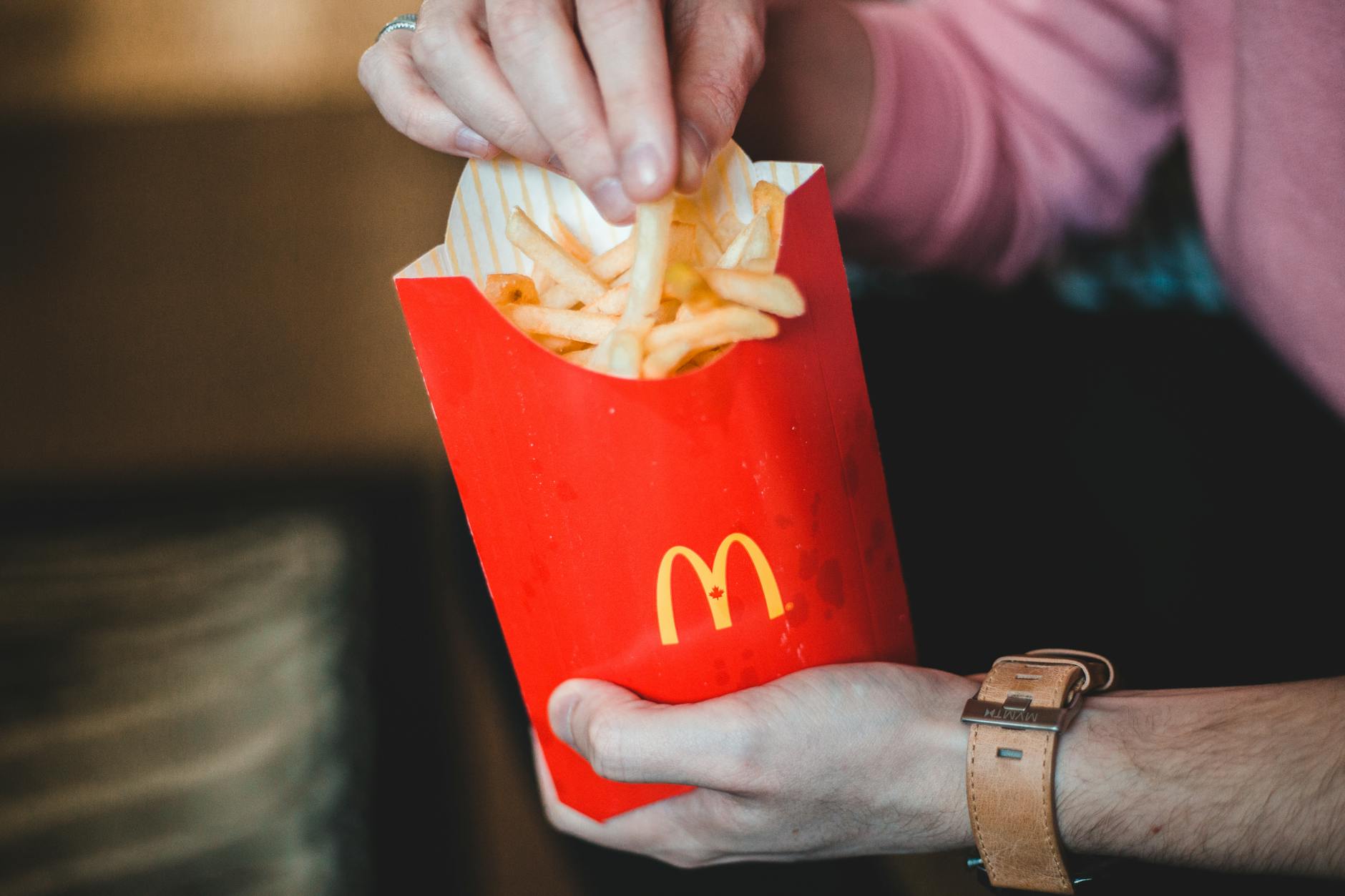
French fries may seem inexpensive, but potato costs and frying oil prices have risen considerably in recent years.
McDonald’s fries also require large-scale production, transportation, freezing, and oil usage that add significant operational costs.
Packaging costs for fry containers continue increasing as well.
Because fries are one of McDonald’s highest-volume products, even small price increases can generate major revenue gains for the company.
Customers may especially notice increases on large fry sizes and combo meal upgrades.
McFlurry Desserts
McFlurry prices have already risen noticeably in many markets, and dessert products could become even more expensive in 2026.
Dairy prices, candy mix-ins, cups, lids, and labor all contribute to higher operating costs.
Specialty McFlurry flavors featuring branded candy partnerships may face additional licensing and ingredient expenses.
Frozen desserts also require energy-intensive storage and equipment maintenance, which further impacts pricing.
As discretionary treats, desserts are often easier for companies to raise prices on gradually.
Breakfast Sandwiches
McDonald’s breakfast menu remains extremely popular, but breakfast sandwiches depend heavily on eggs, cheese, sausage, bacon, and biscuits or muffins.
Egg prices alone have experienced major volatility in recent years because of supply disruptions and agricultural issues.
Premium breakfast sandwiches like the Egg McMuffin or Bacon, Egg & Cheese Biscuit may continue rising as ingredient costs fluctuate.
Breakfast remains one of McDonald’s strongest sales periods, giving the company room to gradually raise pricing without dramatically reducing demand.
Why Fast Food Prices Keep Rising
Restaurant chains face growing operational expenses across nearly every category.
Some of the biggest contributors include:
- Ingredient inflation
- Labor shortages
- Transportation costs
- Equipment maintenance
Fast food companies also continue investing heavily in technology, mobile ordering, and delivery systems.
These costs often get passed along to customers through gradual menu price increases.
Why Customers Notice McDonald’s Price Changes More
McDonald’s built much of its reputation on affordability and value.
As prices rise, longtime customers often compare modern costs to:
- Old value menus
- Dollar menu promotions
- Cheaper combo meals from previous decades
Because of this history, even moderate price increases can feel especially noticeable at McDonald’s compared to other restaurants.
Conclusion
The Quarter Pounder, Big Mac, McCrispy Chicken Sandwich, French fries, McFlurries, and breakfast sandwiches are all strong candidates for future McDonald’s price increases in 2026. Rising ingredient costs, labor expenses, and operational pressures continue reshaping fast food pricing nationwide. While McDonald’s still offers convenience and familiarity, customers may continue noticing gradual increases on many of the chain’s most popular menu items.



Leave a Reply