
Baby Boomers grew up during a golden era of colorful desserts, processed treats, and convenient snack foods. From artificial whipped toppings to sugar-loaded gelatin creations, many classic sweets became staples at family dinners, potlucks, and holiday gatherings.
Over time, however, growing awareness about trans fats, artificial dyes, excessive sugar, and questionable additives caused several once-popular desserts to disappear or undergo major reformulations. Some products quietly vanished from shelves, while others were discontinued after public pressure and changing health standards.
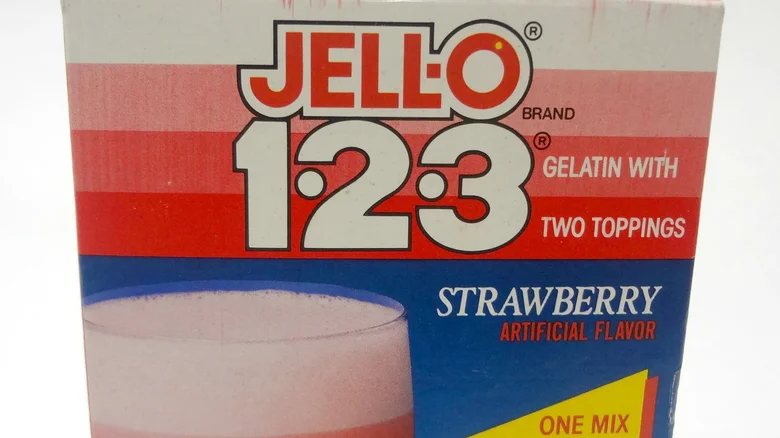
Jell-O 1-2-3
Jell-O 1-2-3 was one of the most memorable desserts of the 1970s and 1980s. After preparation, the dessert magically separated into three layers: gelatin on the bottom, creamy mousse in the middle, and fluffy topping on top.
The product relied heavily on artificial flavorings, stabilizers, food dyes, and processed ingredients to create its signature layered effect.
As consumers became more cautious about artificial additives and highly processed desserts, products like Jell-O 1-2-3 slowly lost popularity.
Growing demand for simpler ingredient labels also made complicated instant desserts less appealing to modern shoppers.
Snack Pack Pudding With Trans Fats
Snack Pack pudding cups were lunchbox staples for decades, especially during the 1970s and 1980s.
Earlier formulations contained partially hydrogenated oils, which are major sources of artificial trans fats. Over time, trans fats became heavily criticized because of their connection to heart disease and other health concerns.
Manufacturers eventually reformulated many pudding products, but some original recipes and flavor varieties disappeared entirely during the transition.
The shift reflected broader industry changes away from hydrogenated oils and heavily processed fats.
Frozen Sara Lee Cheesecake Bars
Frozen cheesecake bars were once incredibly popular convenience desserts. Sara Lee’s individually packaged cheesecake products became household favorites for Baby Boomers who wanted restaurant-style desserts at home.
However, many frozen dessert bars contained extremely high levels of saturated fat, sugar, preservatives, and artificial stabilizers.
As nutritional awareness increased, heavily processed frozen desserts faced declining demand.
Several older dessert products disappeared because consumers became more concerned about:
- Artificial trans fats
- Excess sugar content
- Synthetic food dyes
- Highly processed ingredients
Health-conscious shopping habits dramatically changed dessert aisles over time.
Royal Danish Dessert Mix
Royal Danish Dessert mixes were once common pantry staples for easy fruit desserts and gelatin-style treats.
These powdered mixes often contained artificial coloring, heavy sugar concentrations, and processed flavor enhancers that later became less desirable among health-conscious consumers.
While some similar products still exist today, many classic formulations disappeared as shoppers moved toward fresher, less processed desserts.
Homemade fruit-based desserts gradually replaced many instant dessert powders in popularity.
The growing preference for natural ingredients also hurt sales of artificially flavored gelatin products.
Carnation Breakfast Bars
Although technically marketed as breakfast products, Carnation Breakfast Bars were often eaten as dessert-like snacks by Baby Boomers.
The bars contained high sugar levels, processed oils, preservatives, and artificial ingredients that eventually fell out of favor as nutritional standards evolved.
As public health campaigns increasingly targeted processed snack foods, many products from the era were either reformulated or discontinued completely.
Consumers also became more aware of how heavily processed snack products contributed to poor overall dietary quality.
Why So Many Classic Desserts Disappeared
Many desserts popular during the Baby Boomer era were developed during a time when convenience and shelf stability mattered more than ingredient transparency.
Food companies frequently used:
- Artificial flavorings
- Hydrogenated oils
- Synthetic dyes
- Preservatives and stabilizers
These ingredients allowed products to last longer and maintain texture, but later research raised concerns about long-term health effects.
As regulations tightened and consumer preferences changed, many older desserts became outdated.
The Shift Toward Cleaner Ingredients
Modern dessert trends now emphasize simpler recipes and more recognizable ingredients.
Many consumers prefer desserts featuring:
- Natural sweeteners
- Real dairy ingredients
- Minimal preservatives
- Fewer artificial colors
This shift has dramatically changed grocery store dessert sections compared to previous decades.
Some discontinued treats still maintain nostalgic fan followings, but modern food standards make large-scale returns less likely.
Conclusion
Many Baby Boomer desserts reflected an era focused heavily on convenience, colorful presentation, and long shelf life. Products like Jell-O 1-2-3, frozen cheesecake bars, and classic pudding cups eventually faded as health concerns surrounding trans fats, artificial dyes, and processed ingredients gained more attention. While these desserts remain nostalgic favorites, changing nutritional expectations permanently reshaped the dessert industry.


Leave a Reply