
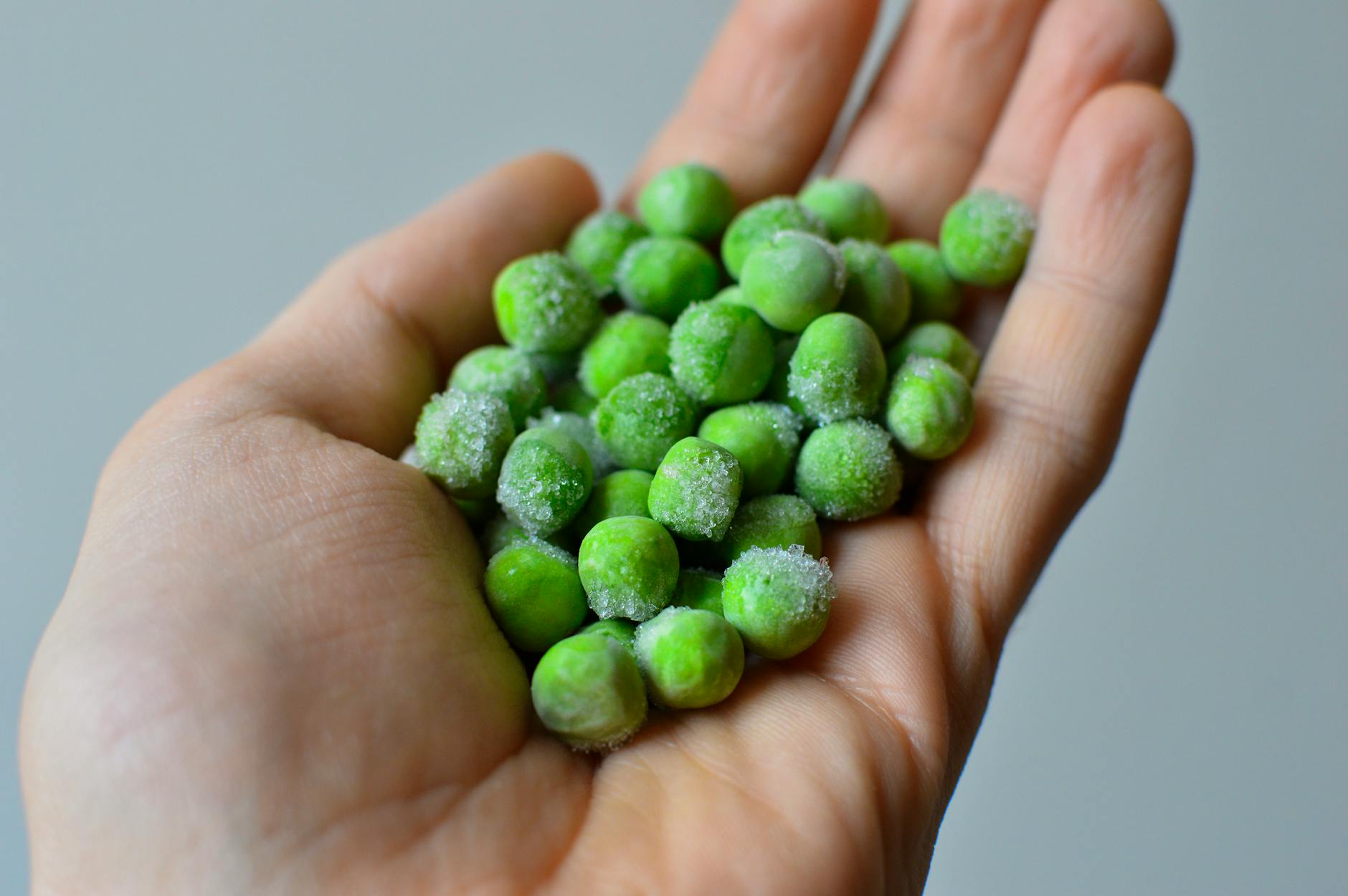
Food storage mistakes often happen when people assume the refrigerator is always the safest option. While refrigeration works well for short-term storage, some foods actually degrade faster in the fridge than they do in the freezer.
Freezing can lock in freshness, slow enzymatic breakdown, and preserve texture for longer periods. Refrigeration, on the other hand, can sometimes cause spoilage, texture changes, or flavor loss depending on the food.
Knowing when to freeze instead of refrigerate can significantly reduce waste and improve food quality over time.
Bread
Bread is one of the most commonly mishandled foods when it comes to storage. While many people keep it in the refrigerator, this actually speeds up staling due to a process called retrogradation.
In the fridge, bread loses moisture faster and becomes dry, rubbery, or stale within a short period. Freezing, however, preserves its texture and flavor far more effectively.
Sliced bread can be frozen in portions and toasted directly from frozen, making it both convenient and long-lasting. This method works especially well for sandwich bread, baguettes, and artisan loaves.
Berries
Berries like strawberries, blueberries, and raspberries are highly perishable and tend to spoil quickly in the refrigerator due to their high moisture content.
Refrigeration can sometimes lead to mold growth within just a few days, especially if berries are not completely dry when stored. Freezing, however, helps preserve them at peak ripeness.
Frozen berries are excellent for smoothies, baking, or topping oatmeal and yogurt. Spreading them out on a tray before freezing prevents clumping and maintains better texture.
Coffee Beans
Coffee beans are sensitive to moisture, oxygen, and temperature fluctuations. While it may seem logical to store them in the refrigerator, this environment can actually degrade flavor.
Fridges introduce humidity and odors that beans easily absorb, leading to stale or off-tasting coffee. Freezing, when done correctly, helps preserve freshness for longer periods.
To maintain quality, coffee beans should be frozen in airtight containers and only removed in small batches to avoid repeated temperature changes.
Nuts
Nuts contain natural oils that can turn rancid when exposed to heat, light, or oxygen over time. While refrigeration can slow this process, it does not always preserve flavor as effectively as freezing.
Freezing nuts helps extend their shelf life significantly while maintaining crunch and nutritional value. This is especially useful for walnuts, almonds, pecans, and hazelnuts.
Proper storage methods for nuts include:
- Airtight freezer containers
- Portioning before freezing
- Avoiding repeated thaw cycles
- Keeping away from moisture
These steps help preserve both texture and taste.
Fresh Herbs
Fresh herbs like parsley, cilantro, dill, and basil often wilt quickly in the refrigerator, even when stored in water or wrapped in damp towels.
Freezing herbs helps retain their flavor compounds far better than refrigeration. While texture may soften after thawing, the flavor remains strong and usable for cooking.
Chopping herbs and freezing them in olive oil or ice cube trays is a popular method for preserving them for soups, sauces, and sautés.
Cooked Rice
Cooked rice can spoil quickly in the refrigerator if not cooled properly or stored within a short timeframe. More importantly, improper refrigeration can increase the risk of bacterial growth if rice is left out too long before chilling.
Freezing cooked rice helps preserve both safety and texture. It can be portioned into individual servings and reheated quickly without significant quality loss.
Frozen rice is especially useful for meal prep, allowing quick access to ready-to-eat portions for stir-fries and side dishes.
Why Freezing Works Better for Certain Foods
Freezing slows down microbial growth and enzymatic reactions that cause food to spoil. Unlike refrigeration, which only slows these processes, freezing effectively pauses them.
Foods that benefit most from freezing often share characteristics such as:
- High moisture content
- Natural oils or fats
- Delicate texture
- Short refrigerator shelf life
By contrast, refrigeration can sometimes accelerate degradation in these same foods.
Common Storage Mistakes
Many people refrigerate foods out of habit rather than necessity. This can lead to wasted food and reduced quality.
Common mistakes include:
- Refrigerating bread instead of freezing it
- Storing nuts on fridge shelves instead of the freezer
- Keeping berries too long in the refrigerator
- Not freezing cooked grains quickly enough
Understanding proper storage methods helps extend freshness and reduce food waste.
Conclusion
Some foods simply perform better in the freezer than in the refrigerator. Items like bread, berries, nuts, and cooked rice maintain better flavor, texture, and safety when frozen properly. Learning the difference between refrigeration and freezing can help preserve food quality and reduce unnecessary waste.




Leave a Reply