
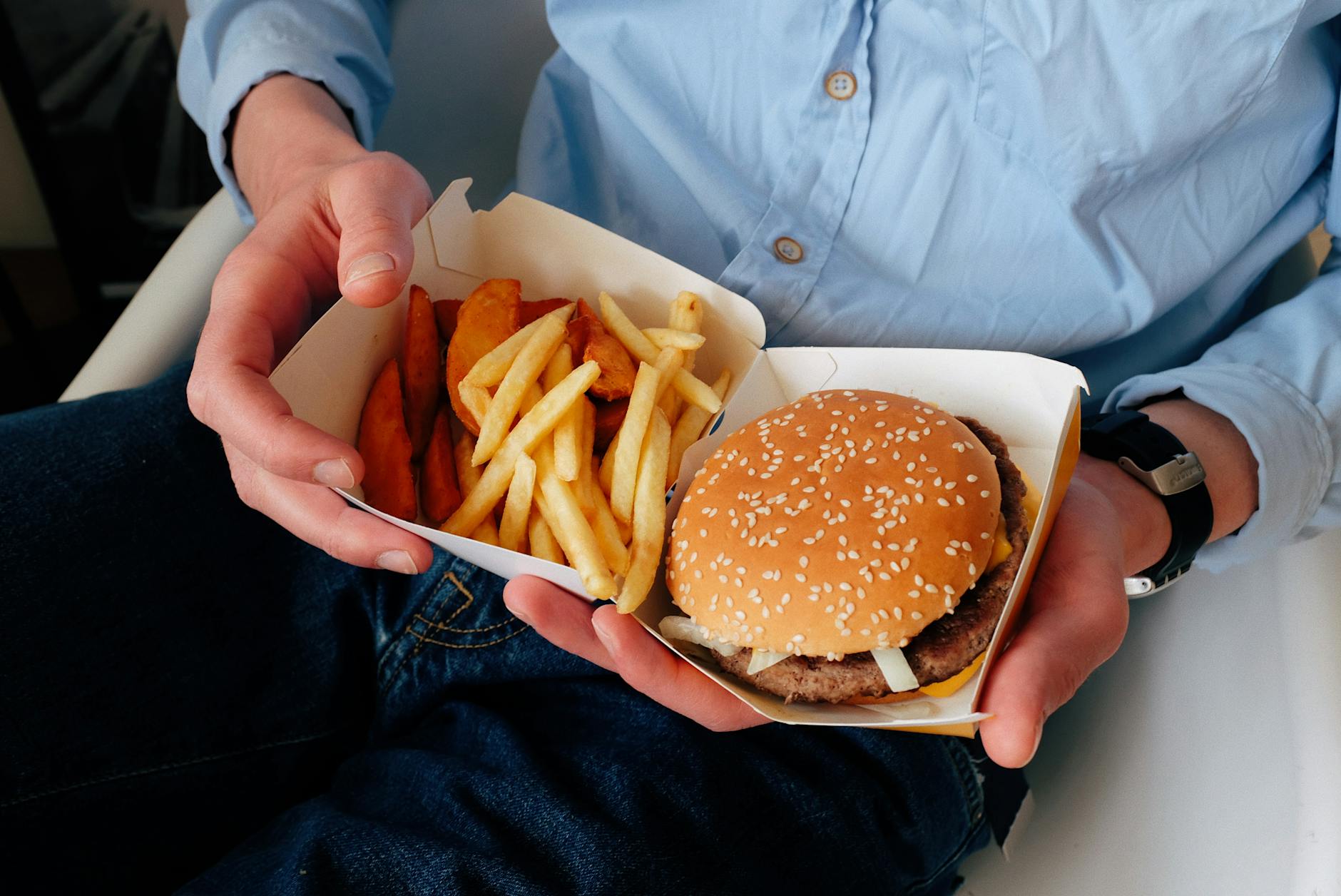
Fast food value menus were once the go-to option for cheap meals, but inflation and rising ingredient costs have dramatically changed the landscape. Many items once priced at one dollar now cost significantly more, and industry analysts expect additional increases throughout 2026.
Labor expenses, beef shortages, chicken demand, transportation costs, and packaging inflation continue pressuring restaurant chains across the country. While companies still rely on value menus to attract customers, several popular items appear especially vulnerable to future price hikes.
Consumers looking for budget-friendly meals may soon notice their favorite deals becoming much less affordable.
McDonald’s McChicken
The McChicken has remained one of the most recognizable fast food value menu items for years because of its combination of affordability and simplicity.
However, chicken prices continue facing pressure from supply chain costs and increased consumer demand. Chicken sandwiches have become one of the most competitive categories in fast food, forcing chains to spend more on ingredients and production.
The McChicken also benefits from strong popularity among budget-conscious customers, which makes it easier for price increases to stick without severely hurting sales.
As food and labor costs continue climbing, low-cost chicken sandwiches may gradually move further away from true “value menu” pricing.
Taco Bell Cheesy Roll-Ups
Taco Bell built its reputation around inexpensive menu items, but even smaller snack-style products may see noticeable price jumps in 2026.
Cheese prices have remained volatile, and tortillas, dairy products, and packaging costs all continue rising. While a Cheesy Roll-Up seems simple, the combination of multiple inflation-sensitive ingredients creates pricing pressure.
The item’s popularity among younger customers and late-night diners also makes it a strong candidate for incremental price increases.
Fast food chains often begin raising prices on smaller items gradually because customers may not immediately notice smaller changes.
Wendy’s Jr. Bacon Cheeseburger
Beef prices remain one of the biggest concerns for the restaurant industry heading into 2026. Wendy’s Jr. Bacon Cheeseburger combines beef, bacon, cheese, and fresh produce, all of which have experienced fluctuating supply costs.
Bacon in particular has become increasingly expensive in recent years because of feed costs and strong consumer demand.
Because the Jr. Bacon Cheeseburger includes multiple higher-cost ingredients, it could easily see another round of price increases.
Burger King Rodeo Burger
The Burger King Rodeo Burger has long been viewed as a lower-cost indulgence thanks to its onion rings, barbecue sauce, and beef patty combination.
However, fried ingredients like onion rings continue becoming more expensive because of cooking oil prices and broader supply chain pressures.
Beef costs also remain unpredictable, especially for chains trying to maintain large nationwide inventories. Even relatively small burgers become more expensive to produce when ingredient costs rise across multiple categories simultaneously.
Customers may notice value burgers becoming smaller or more expensive as chains attempt to protect profit margins.
Jack In The Box Tiny Tacos
Tiny Tacos became one of Jack In The Box’s most recognizable snack-style menu items because of their affordability and shareable format.
The problem for chains is that fried snack items often rely heavily on packaging, oil, labor, and sauce portions, all of which have become more expensive over time.
Snack foods also tend to attract heavy discounting and promotional pricing, which can hurt restaurant profits during inflationary periods.
As a result, chains may slowly increase prices or reduce portion sizes to offset rising operational expenses.
Why Value Menus Keep Changing
Fast food chains still need affordable menu items to attract customers, but maintaining extremely cheap pricing has become increasingly difficult.
Restaurants now face pressure from:
- Higher employee wages
- Ingredient shortages
- Increased rent and utilities
- Delivery app commission fees
These costs eventually affect menu pricing, even for entry-level value meals.
Many chains are also shifting away from permanent dollar menus toward rotating promotions and app-based discounts instead.
How Consumers Are Adapting
As value menu prices rise, many customers are changing how they order fast food. Mobile apps, loyalty rewards, combo deals, and limited-time promotions have become increasingly important for saving money.
Some diners are also:
- Sharing larger combo meals
- Ordering fewer add-ons
- Choosing chicken over beef
- Eating fast food less frequently
These adjustments help offset rising restaurant costs without completely giving up convenience.
Consumers may increasingly prioritize portion size and overall value rather than simply searching for the lowest sticker price.
Conclusion
Fast food value menus are unlikely to disappear entirely, but many once-cheap favorites may continue climbing in price throughout 2026. Rising meat costs, labor expenses, and inflation pressures are forcing chains to rethink how affordable value menu items can realistically remain.




Leave a Reply