
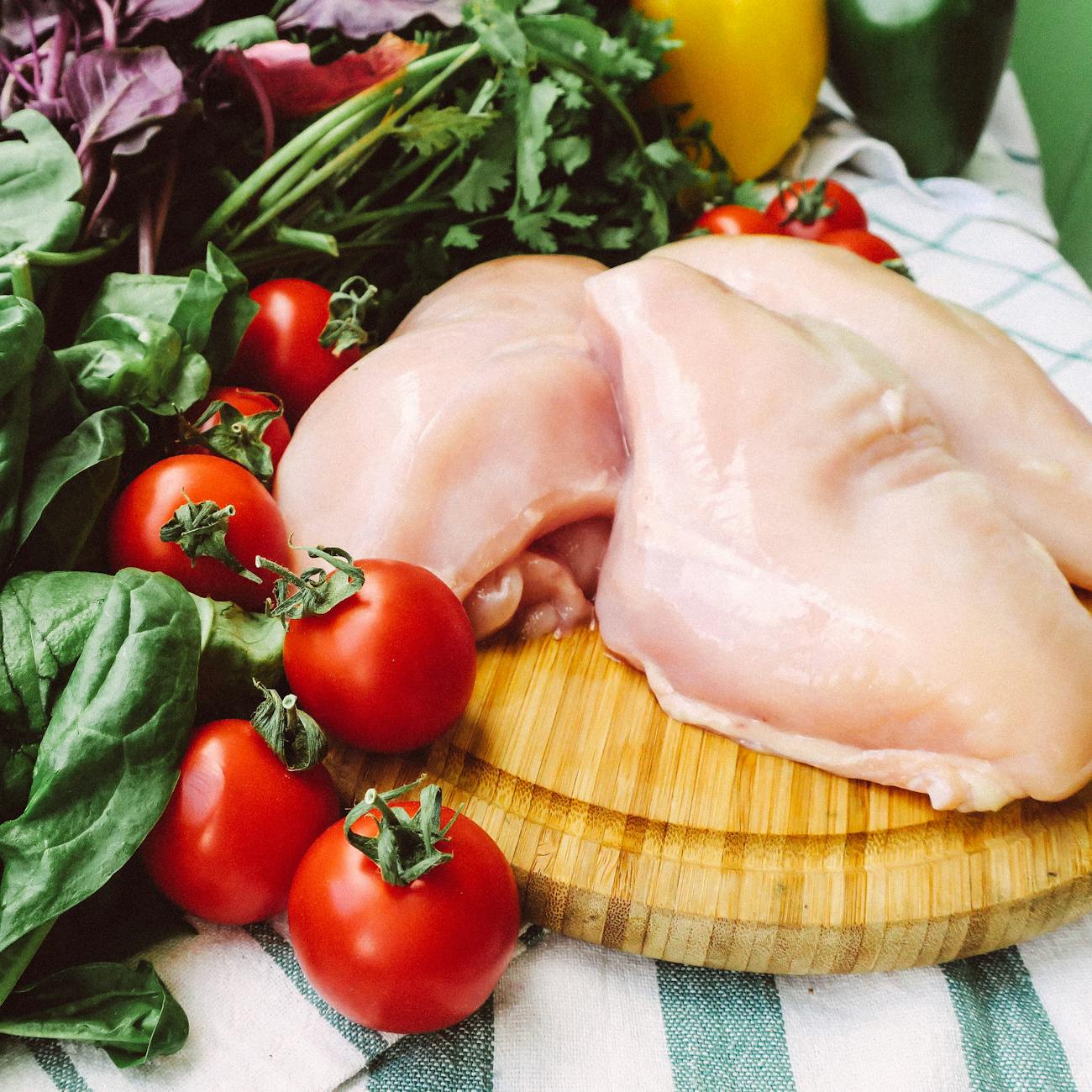
Chicken is one of the most popular and versatile proteins in the world, but not all cuts or grocery store options offer the same quality. Because chicken is highly perishable, small differences in handling, packaging, and sourcing can have a big impact on taste, texture, and cooking performance.
Some cuts are more prone to dryness, contamination risk, or inconsistent quality when purchased pre-packaged from grocery stores. In many cases, the issue is not the chicken itself, but how it is processed, stored, and displayed.
Pre-Marinated Chicken Breast Fillets
Pre-marinated chicken breasts are convenient, but they are often one of the least reliable grocery store options in terms of quality control. These products are typically injected or soaked in liquid marinades that can mask lower-quality meat.
Because of the added solution, the chicken can retain excess moisture, leading to a rubbery or overly soft texture when cooked. The marinade also often contains high levels of sodium and sugar.
While they save time, pre-marinated fillets frequently sacrifice flavor control and freshness compared to seasoning chicken at home.
Pre-Cooked Rotisserie Chicken Pieces
Rotisserie chicken is popular for convenience, but once it is broken down into pre-packaged pieces, quality can decline quickly. The meat is often shredded from leftover birds that have already been sitting under heat lamps.
This can lead to dryness in white meat and overly oily skin sections. In grocery store packaging, these pieces may also absorb excess moisture, which affects texture and taste.
Although rotisserie chicken can be a good whole-item purchase, pre-cut packaged versions are less consistent and often less fresh.
Thin-Sliced Chicken Cutlets
Thin-sliced chicken cutlets from grocery stores are frequently uneven in thickness, which makes cooking difficult. Some pieces may cook too quickly and dry out, while others remain undercooked in thicker areas.
These cutlets are often mechanically sliced from larger breasts, which can result in inconsistent texture and appearance. They may also come from lower-grade trimming processes used to maximize packaging efficiency.
Because of their inconsistency, they rarely deliver the same quality as hand-cut chicken prepared by a butcher.
Pre-Breaded Chicken Tenders
Pre-breaded chicken tenders are one of the most heavily processed chicken products in grocery stores. While they are convenient for baking or frying, they often contain fillers, sodium, and stabilizers.
The chicken inside may be minced or restructured rather than whole muscle meat, depending on the brand. This can significantly affect texture and nutritional quality.
Several common issues with pre-breaded chicken products include:
- High sodium content
- Added preservatives and fillers
- Lower-quality meat cuts
- Excess oil absorption during cooking
Freshly breaded chicken at home or from a deli counter often provides better flavor and texture control.
Chicken Thigh Family Packs With Excess Liquid
Family packs of chicken thighs are common in grocery stores, but some packages contain excessive liquid or “enhanced” solutions that affect cooking quality. This added liquid is used to increase weight and shelf life but can dilute natural flavor.
When cooked, these thighs may release excess water instead of browning properly, resulting in steamed rather than seared meat.
While chicken thighs are naturally flavorful and forgiving, quality varies significantly depending on packaging and sourcing practices.
Why Grocery Store Chicken Quality Varies
Chicken quality is influenced by multiple factors beyond the cut itself, including handling, packaging, and storage time. Even fresh-looking chicken can vary widely in texture and taste depending on how it has been processed.
Key factors affecting quality include:
- Added water or saline solutions
- Time spent in refrigerated storage
- Mechanical processing methods
- Packaging and sealing conditions
These factors can make certain grocery store chicken products less reliable than others.
Better Ways to Buy Chicken
Choosing higher-quality chicken does not necessarily mean spending more, but it does require attention to detail. Looking for minimally processed options can make a noticeable difference in cooking results.
Better practices include:
- Buying plain, unseasoned cuts
- Choosing fresh over pre-marinated options
- Checking ingredient labels for additives
- Selecting whole cuts when possible
These steps help ensure better texture and flavor at home.
Conclusion
Not all grocery store chicken is created equal, and some pre-packaged or heavily processed options can lead to inconsistent cooking results. Cuts like pre-marinated breasts, breaded tenders, and liquid-heavy thigh packs often sacrifice quality for convenience. Choosing simpler, less processed options can significantly improve both taste and texture.




Leave a Reply