
For Baby Boomers, cartoons were more than just Saturday morning entertainment. They became a defining part of childhood culture, introducing memorable characters, catchy theme songs, and timeless adventures that still resonate decades later.
As nostalgia continues to drive modern entertainment, many classic animated series from the 1950s through 1970s have been revived for new generations. Some reboots stay faithful to the original material, while others dramatically update the style, humor, and storytelling for modern audiences.
Scooby-Doo
Scooby-Doo, Where Are You! became one of the most iconic cartoons of all time when it debuted in 1969. Baby Boomers grew up watching Scooby and the Mystery Inc. gang solve spooky mysteries involving ghosts, monsters, and elaborate disguises.
Over the decades, the franchise has been rebooted numerous times through series like What’s New, Scooby-Doo? and Velma. Each version updated the humor, animation, and character dynamics while keeping the core mystery-solving format intact.
Despite the changes, Scooby-Doo remains instantly recognizable thanks to its memorable characters and formula-driven storytelling.
The Flintstones
The Flintstones was groundbreaking as one of the first animated sitcoms aimed at family audiences. The Stone Age suburban adventures of Fred and Wilma Flintstone became a massive hit during the early television era.
The franchise later received multiple revivals and adaptations, including The Flintstone Kids and newer animated projects designed for modern streaming audiences.
The humor and visual gags continue to resonate because the show’s suburban family themes remain relatable even decades later.
Tom And Jerry
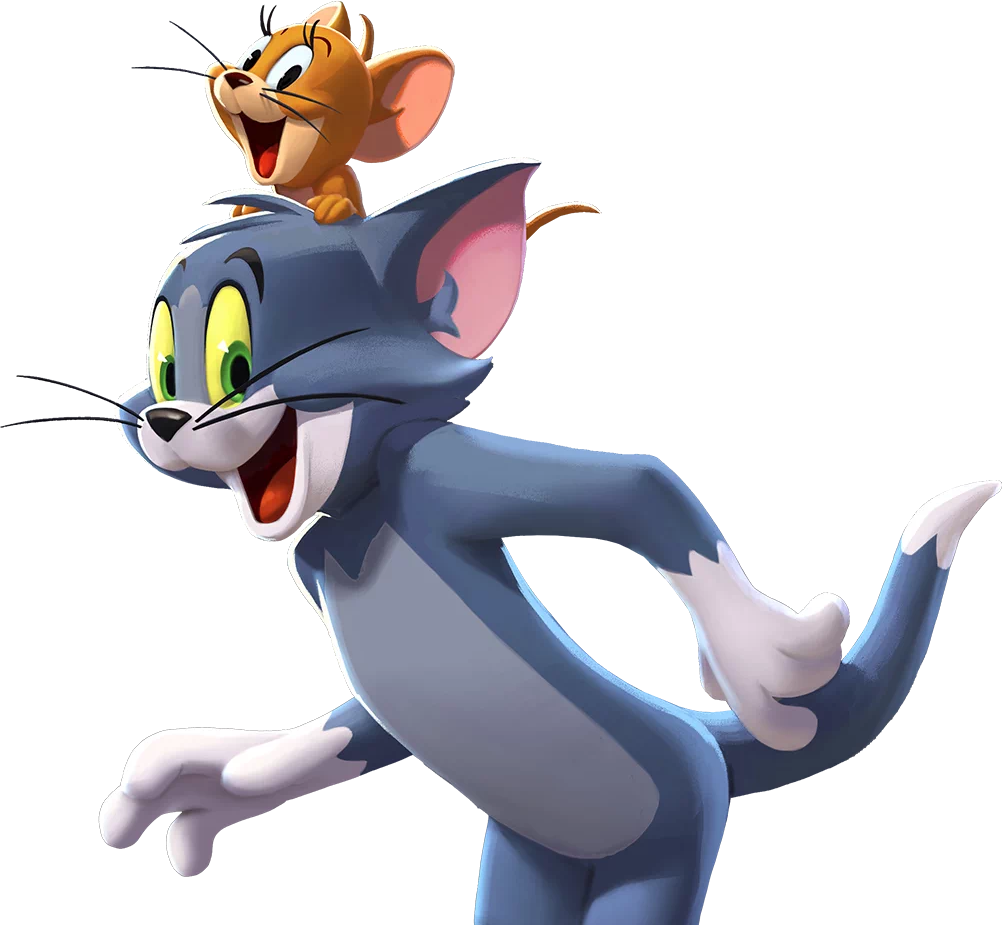
Tom and Jerry became legendary for its slapstick comedy and nearly wordless storytelling. The endless chase between Tom the cat and Jerry the mouse entertained generations of Baby Boomers during theatrical shorts and television broadcasts.
The franchise has been rebooted repeatedly through modern animated series and feature films. Newer versions often soften some of the original cartoon violence while maintaining the fast-paced physical comedy that made the originals famous.
Key reasons these reboots continue succeeding include:
- Simple universal humor
- Recognizable character designs
- Minimal language barriers
- Strong nostalgia appeal across generations
Few cartoons have remained culturally relevant for as long as Tom and Jerry.
Yogi Bear
The Yogi Bear Show introduced audiences to the picnic basket-stealing bear living in Jellystone Park. Yogi’s mix of cleverness and laziness made him one of Hanna-Barbera’s most beloved characters.
The franchise later returned through rebooted television specials, updated animated appearances, and even live-action hybrid films. Modern versions often update the animation style while preserving Yogi’s signature personality and catchphrases.
The character’s simple comedic formula continues to appeal to both nostalgic adults and younger audiences discovering him for the first time.
Looney Tunes
Looney Tunes created some of the most recognizable cartoon characters ever made, including Bugs Bunny, Daffy Duck, Porky Pig, and Tweety Bird. Baby Boomers grew up with these characters dominating television syndication and theatrical reruns.
The franchise has been rebooted many times through projects like The Looney Tunes Show and newer streaming-focused shorts. While the humor has evolved slightly, the core personalities remain largely unchanged.
Bugs Bunny’s sarcasm and Daffy Duck’s chaotic energy continue to define the franchise decades after their creation.
Why Cartoon Reboots Keep Happening
Classic cartoons remain valuable because they combine nostalgia with instantly recognizable branding. Studios often revive older properties because multiple generations already have emotional connections to the characters.
Modern reboots typically update:
- Animation technology
- Pacing and dialogue
- Cultural references
- Story complexity for newer audiences
At the same time, successful reboots usually preserve the original personalities and humor that made the cartoons popular in the first place.
Conclusion
Baby Boomer cartoons continue to thrive because their characters and stories remain timeless. Whether through streaming series, movies, or updated animation styles, these classic franchises keep finding new audiences while giving older viewers a nostalgic return to childhood favorites.



Leave a Reply