
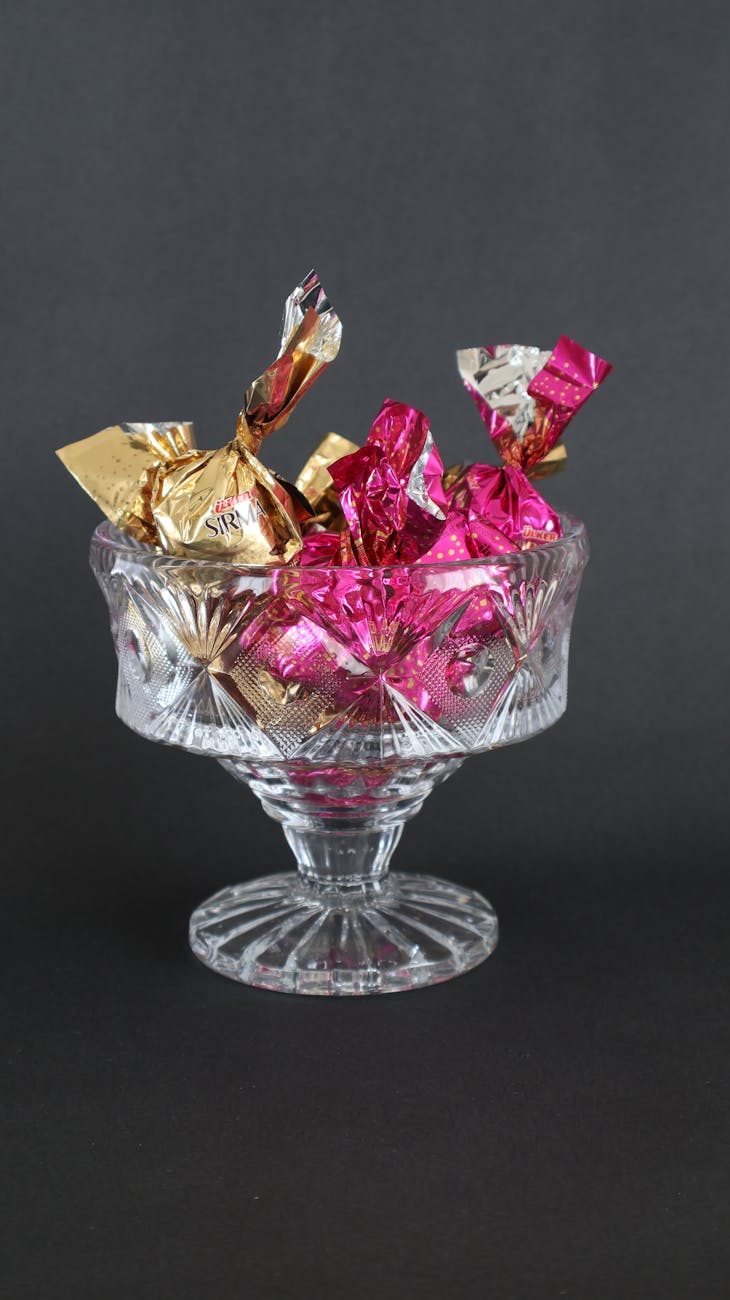
Before giant candy aisles and individually packaged snack bags became common, many households kept decorative candy dishes filled with classic sweets for guests and family members. Grandparents especially loved keeping hard candies, chewy treats, and minty favorites available on coffee tables, end tables, and dining room counters.
These candy dishes became part of the home itself. Kids visiting grandparents often remember sneaking a handful of sweets before dinner or choosing a favorite piece while adults talked nearby. Many of these candies are still sold today, though they are strongly associated with older generations and nostalgic family visits.
Werther’s Original Became The Ultimate Grandparent Candy
Werther’s Original is probably the candy most associated with grandparents and living room candy dishes.
The buttery caramel flavor and smooth hard-candy texture made Werther’s appealing to older adults who preferred slower, long-lasting sweets over sour or chewy modern candies. Its gold wrapping also gave it a slightly premium appearance in decorative bowls.
For many children, visiting grandparents meant hearing the unmistakable crinkle of a Werther’s wrapper before receiving a piece.
Butterscotch Discs Were A Household Staple
Butterscotch candy discs were another common sight in vintage candy dishes, especially during the 1950s through 1980s.
These hard candies delivered a rich, buttery sweetness that lingered for several minutes. Their simple yellow-and-brown striped appearance became instantly recognizable across generations.
Because they were inexpensive and widely available, butterscotch candies were easy for grandparents to keep stocked year-round for visitors.
Strawberry Bon Bons Hid Soft Centers Inside
Strawberry Bon Bons were famous for their bright strawberry wrappers decorated with tiny fruit illustrations.
Inside the hard candy shell was a chewy strawberry filling that surprised many children the first time they tried one. Grandparents often kept them in crystal candy bowls alongside peppermints and caramels.
Their nostalgic packaging and unique filling helped them remain memorable long after many similar candies disappeared.
- Common features of classic candy dish sweets:
- Individually wrapped pieces
- Long shelf life
- Mild, comforting flavors
- Hard candy textures
- Affordable bulk packaging
Ribbon Candy Appeared During Holidays And Family Gatherings
Ribbon candy was especially popular during Christmas and holiday seasons.
Its delicate, colorful appearance made it look decorative enough to double as table décor. The candy’s thin, folded ribbons came in flavors like peppermint, cinnamon, and fruit blends.
Although beautiful, ribbon candy was notoriously fragile and often broke into sharp pieces inside candy bowls. Even so, it remained a holiday tradition in many households.
Peppermint Starlight Mints Were Always Available
Starlight mints became a permanent fixture in many grandparents’ homes because of their refreshing peppermint flavor and low cost.
Restaurants, banks, and waiting rooms also helped popularize these mints, but home candy dishes made them feel particularly comforting and familiar. Their red-and-white swirl design instantly signaled a classic peppermint taste.
Many older adults enjoyed them after meals, which contributed to their constant presence in living rooms and kitchens.
Mary Jane Candies Mixed Peanut Butter And Molasses
Mary Jane candy was a chewy old-fashioned candy made with molasses and peanut butter flavors.
Unlike smoother caramel candies, Mary Janes had a firmer chew and a more rustic taste profile. Their yellow-and-red wrappers became highly recognizable over decades of popularity.
Grandparents often kept them alongside hard candies to offer visitors a slightly different texture and flavor experience.
Candy Dishes Represented More Than Just Sweets
Candy dishes were not simply about sugar—they were symbols of hospitality and comfort. Offering guests a piece of candy was a small but meaningful tradition in many households.
These classic candies also reflected a different era of snacking, when sweets were often enjoyed slowly and shared socially rather than consumed in oversized portions. For many families, the sight of a crystal bowl filled with wrapped candies still brings back vivid childhood memories.
Nostalgia Keeps These Candies Alive Today
Although modern candy trends now focus on sour flavors, gummies, and novelty products, many classic candy dish favorites remain available because of nostalgia and loyal older consumers.
Younger generations may not always recognize these candies immediately, but for many grandparents and Baby Boomers, they remain deeply tied to family traditions, holidays, and warm memories of home.

Leave a Reply