
Restaurant prices have steadily increased across the fast-casual industry over the past several years. Rising labor costs, ingredient shortages, transportation expenses, and inflation have all forced chains to reevaluate pricing strategies.
At Chipotle Mexican Grill, some menu items appear more vulnerable to future price hikes because they rely on premium ingredients, larger portions, or more labor-intensive preparation.
Customers have already noticed gradual increases in many locations, especially for protein-heavy orders and customized meals.
Although prices vary regionally, several popular menu items seem especially likely to become more expensive over time.
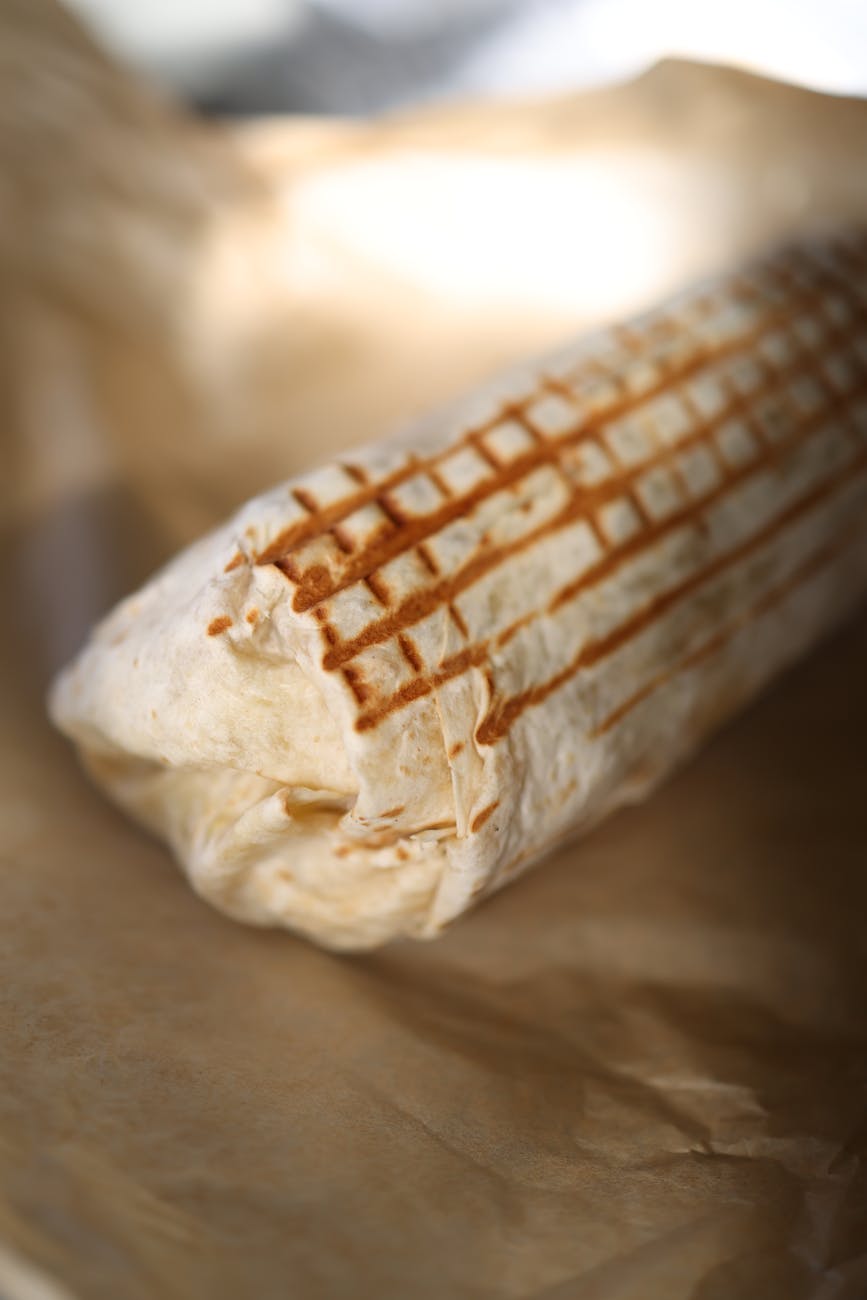
Steak Burritos
Steak remains one of the most expensive proteins on Chipotle’s menu.
Beef prices fluctuate significantly depending on supply chain conditions, cattle costs, and transportation expenses.
Because steak requires marinating, grilling, and careful preparation, labor costs also contribute to pricing pressure.
Customers often choose extra toppings alongside steak burritos, further increasing ingredient usage per order.
Many fast-casual restaurants continue struggling with beef-related cost increases, making steak burritos a likely target for future menu price adjustments.
Barbacoa Bowls
Barbacoa has long been one of Chipotle’s premium protein options because of its slow-cooked preparation and rich flavor profile.
The shredded beef requires extended cooking time and careful seasoning compared to simpler proteins.
As ingredient and labor costs continue rising, menu items requiring more preparation often become more expensive first.
Barbacoa bowls also tend to attract customers adding premium extras like guacamole or queso.
Several factors commonly influence restaurant menu price increases:
- Rising beef and dairy costs
- Transportation expenses
- Labor shortages
- Avocado supply fluctuations
- Higher packaging costs
Premium menu combinations become especially vulnerable during inflationary periods.
Chicken Quesadillas
Chipotle’s quesadillas already cost more than many standard burritos or bowls in some markets.
The item requires specialized preparation equipment and additional assembly steps compared to simpler menu items.
Cheese prices can also fluctuate substantially depending on dairy market conditions.
Because quesadillas use large tortillas, melted cheese, protein, and side dips together, the total ingredient cost stacks up quickly.
Customers often view quesadillas as premium convenience items, giving restaurants more flexibility to increase prices gradually without dramatically hurting demand.
Guacamole And Chips
Guacamole has become one of the most famous upcharges in fast-casual dining.
Avocado prices are notoriously unpredictable because weather conditions, import issues, and farming challenges directly affect supply.
When avocado shortages occur, restaurants frequently adjust guacamole pricing almost immediately.
Chipotle’s chips also require frying, seasoning, and packaging labor that adds to operational expenses.
Consumers already expect guacamole to cost extra, making future increases easier for customers to accept psychologically compared to core menu items.
Double Protein Burrito Bowls
Double protein orders dramatically increase ingredient costs for restaurants.
Whether customers choose chicken, steak, barbacoa, or carnitas, extra meat portions reduce profit margins if menu pricing fails to keep pace.
Protein remains one of the most expensive components inside fast-casual restaurant operations.
Many customers ordering double protein bowls also request additional premium toppings, creating especially high-cost transactions.
As food costs rise, larger portion-heavy meals often become the first items restaurants quietly adjust upward in price.
Queso Blanco Sides
Queso Blanco quickly became one of Chipotle’s most popular add-ons after its nationwide launch.
Dairy products remain highly sensitive to inflation, transportation costs, and supply chain disruptions.
Because queso is typically ordered as an add-on rather than a full entrée, smaller price increases often attract less customer attention.
Consumers may barely notice a minor increase on side items compared to noticeable jumps on full meals.
Restaurants frequently rely on premium extras and side items to offset rising operational expenses without dramatically changing core menu pricing.
Why Fast-Casual Prices Continue Rising
Fast-casual restaurants operate on thinner margins than many consumers realize.
Ingredient sourcing, employee wages, rent, utilities, and transportation costs all continue rising across the industry.
Chains like Chipotle must balance customer expectations for quality ingredients with the financial realities of large-scale restaurant operations.
Premium proteins, dairy-heavy items, and avocado-based products remain especially vulnerable to future price increases because of fluctuating supply costs.
While customers may not enjoy paying more, demand for customizable fast-casual meals remains extremely strong.
As long as customers continue prioritizing convenience and premium ingredients, restaurants will likely keep adjusting menu pricing gradually over time.




Leave a Reply