
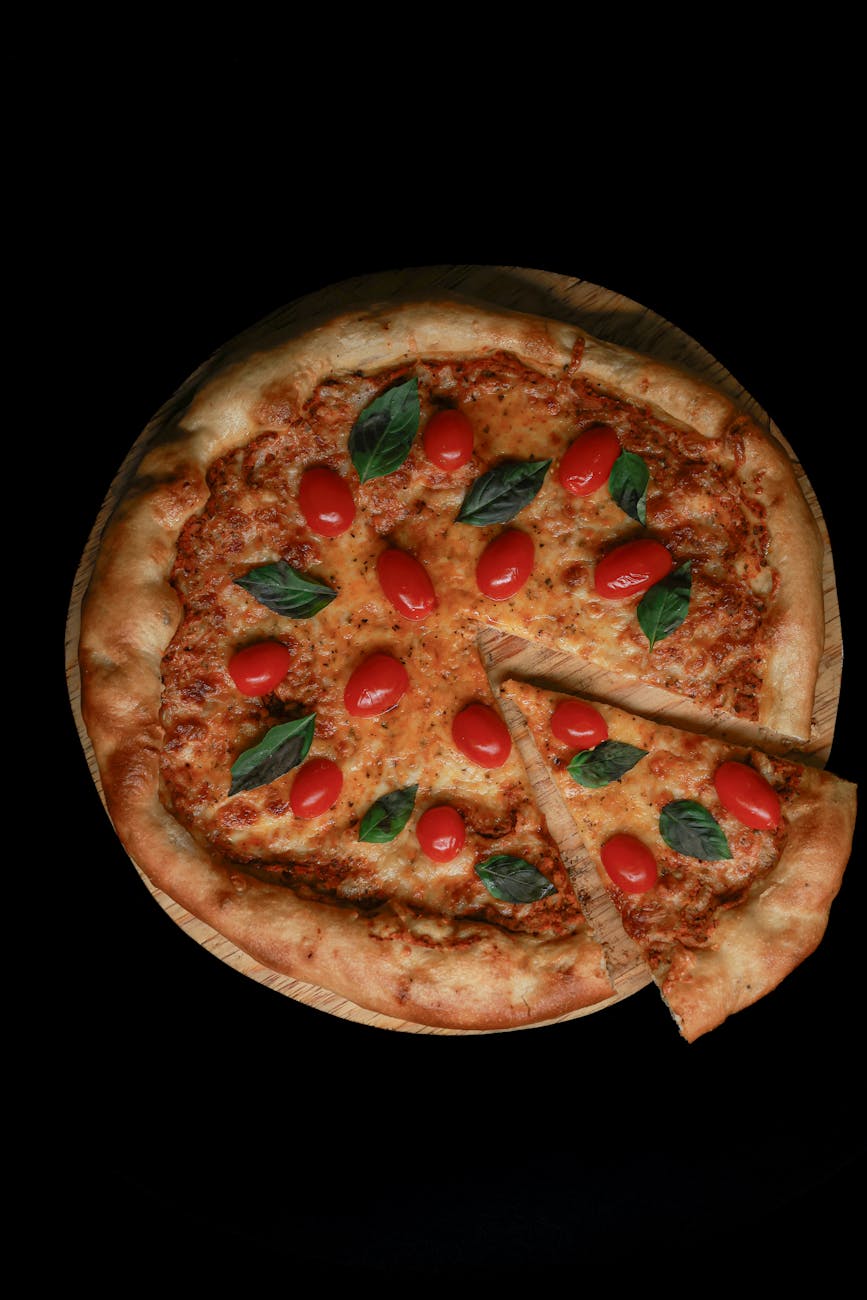
Pizza is one of the most popular foods in the world, but not every restaurant chain delivers consistent quality. While many brands thrive on convenience and aggressive pricing, others struggle with ingredient quality, consistency, or freshness.
Here are six pizza restaurants that often generate debate among customers regarding quality and value.
Chuck E. Cheese
Chuck E. Cheese is designed primarily as an entertainment venue rather than a dedicated pizza destination. Because of this, its pizza has long been criticized for being inconsistent in texture and flavor.
The focus of the brand is on arcade games, birthday parties, and family entertainment, which means food quality is not always the top priority. Many customers report that pizzas can taste mass-produced and heavily standardized.
While children often enjoy the experience, adults frequently find the pizza underwhelming compared to traditional pizzerias.
Little Caesars
Little Caesars is known for affordability and speed, but that low price point sometimes comes with trade-offs in freshness and texture.
The chain’s “Hot-N-Ready” model prioritizes immediate availability, meaning pizzas are often prepared in advance and held in warming units. This can result in crusts that become dry or toppings that lose freshness over time.
Although it remains one of the most budget-friendly pizza options, customers looking for high-quality artisan-style pizza may find it lacking in flavor complexity.
Domino’s Pizza
Domino’s has improved its recipes significantly over the years, but it still receives mixed reviews depending on location and preparation quality.
Because it is a high-volume delivery chain, consistency can vary. Pizzas sometimes arrive with uneven toppings, overly soft crusts, or inconsistent baking depending on distance and delivery time.
However, its convenience and frequent promotions keep it one of the most widely ordered pizza brands in the world.
Pizza Hut
Pizza Hut is a long-standing global brand, but some diners feel it has shifted away from its original pan-pizza reputation in favor of mass-market production.
Certain menu items, especially delivery-focused pizzas, can feel overly processed compared to traditional sit-down pizza restaurants.
The chain’s focus on variety and fast service sometimes comes at the expense of artisanal texture or fresh ingredient quality.
Still, Pizza Hut maintains a strong fan base for its nostalgic pan pizza style.
Papa John’s
Papa John’s markets itself around “better ingredients,” but customer opinions vary widely depending on region and preparation quality.
Some diners appreciate the consistency of its sauce and dough, while others criticize the pizzas for being overly standardized or lacking depth of flavor.
Because it is a large-scale delivery chain, ingredient consistency and timing can impact overall quality, especially during peak hours.
Despite criticism, it remains one of the most recognizable pizza brands in the United States.
Sbarro
Sbarro is commonly found in malls and food courts, which influences both its preparation style and food quality expectations.
Pizzas are often pre-made and reheated rather than freshly crafted to order, which can affect texture and freshness.
While convenient for shoppers, Sbarro is often seen as a “grab-and-go” option rather than a destination pizza experience.
The brand’s focus on speed and accessibility makes it less competitive with specialty pizzerias.
How to Choose Better Pizza Options
Not all chain pizza is low quality, and many locations offer solid, reliable meals depending on preparation and freshness. The biggest differences often come down to cooking methods, ingredient quality, and how long pizza sits before serving.
For better results, customers often look for restaurants that make dough fresh daily, use higher-quality cheese, and cook pizzas to order rather than holding them under heat lamps.
Local pizzerias and regional chains frequently outperform large national brands when it comes to freshness and customization.
Ultimately, the best pizza experience often comes from balancing convenience with quality expectations.



Leave a Reply