
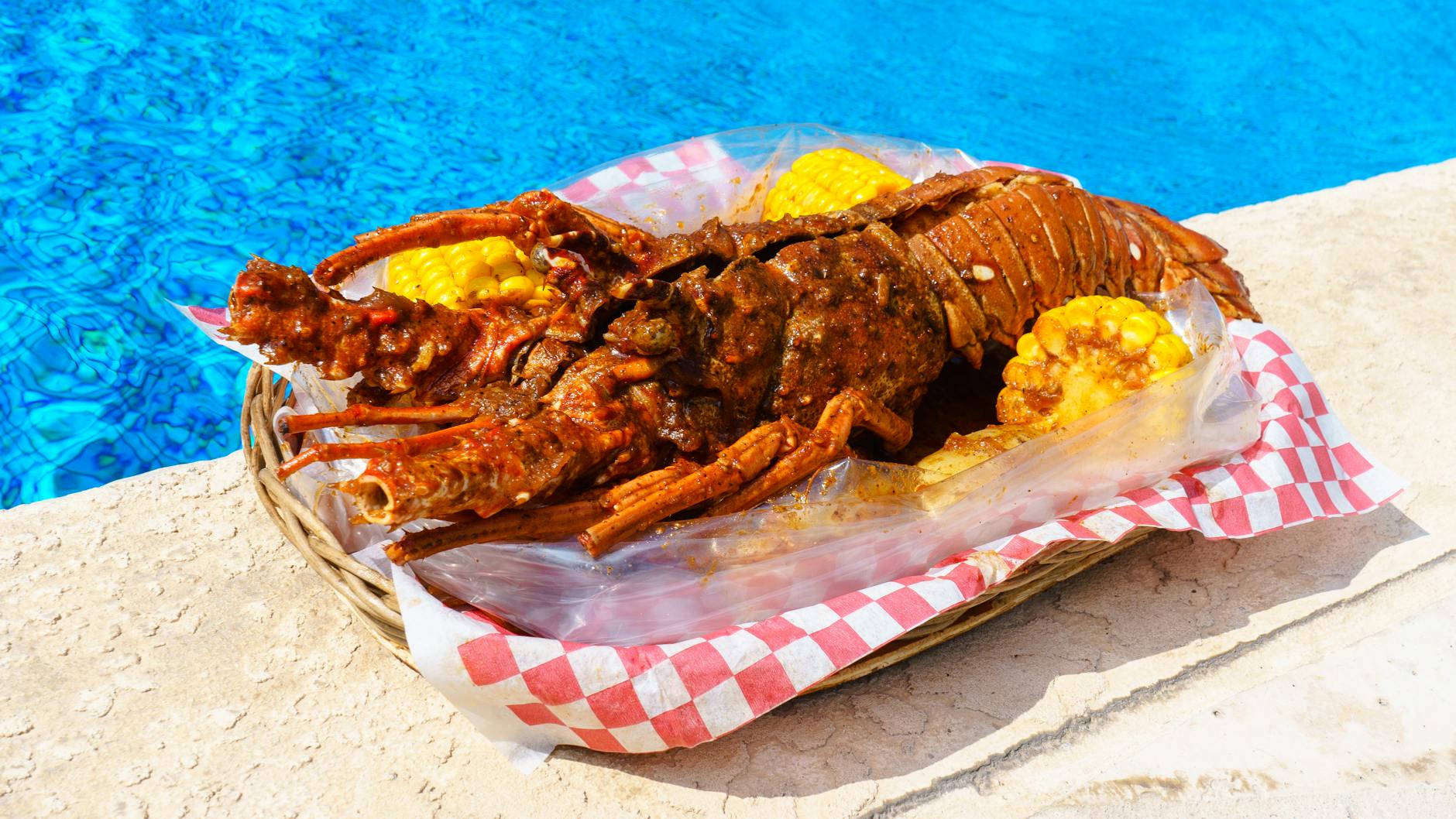
Seafood is one of the most sensitive food categories in the restaurant industry. Unlike many other proteins, fish and shellfish spoil quickly and require strict temperature control, fast turnover, and careful handling.
When restaurants prioritize volume, convenience, or broad menus over seafood specialization, quality can suffer. This often shows up as overly frozen texture, inconsistent cooking, or fish that tastes “fishy” rather than fresh.
That does not mean seafood from large chains is always unsafe. However, diners frequently report disappointment when ordering seafood from restaurants that are not primarily focused on it.
Red Lobster
Red Lobster is one of the most well-known seafood chains in America, but it is also one of the most debated when it comes to consistency.
While some locations serve solid shrimp and lobster dishes, others receive criticism for rubbery texture, overcooked fish, or seafood that tastes like it has been sitting under heat lamps.
Seafood quality can vary significantly based on shipment timing and kitchen execution, which makes consistency a common concern.
Several issues are frequently mentioned by customers:
- Overcooked shrimp and fish
- Inconsistent freshness between locations
- Heavy breading masking seafood flavor
- Frozen texture in some menu items
Even though Red Lobster is seafood-focused, high volume can sometimes work against peak freshness.
Applebee’s
Applebee’s is a general American casual dining chain, not a seafood specialist, which often shows in its seafood offerings.
Menu items like fried shrimp or salmon tend to receive mixed reviews depending on preparation quality and location.
Because seafood is not a core focus, it may not turn over as quickly as more popular items like burgers or chicken wings.
Customers often report that seafood dishes feel secondary compared to the rest of the menu.
This can lead to issues such as frozen fish texture or overly salty seasoning used to compensate for mild flavor.
TGI Fridays
TGI Fridays is known for appetizers, cocktails, and bold flavors, but seafood is not its strongest category.
Some seafood menu items are heavily breaded or sauced, which can hide the natural taste of the fish.
The chain’s focus on fried foods also means seafood often comes from shared fryers, which can impact texture and consistency.
Common complaints about seafood at similar casual chains include:
- Excess oil from shared fryers
- Overly salty seasoning blends
- Lack of fresh seafood flavor
- Heavy sauces masking texture
- Inconsistent cooking times
While the food is generally designed to be flavorful and indulgent, seafood purists may find it lacking in freshness.
Buffalo Wild Wings
Buffalo Wild Wings is primarily a sports bar focused on chicken wings, making seafood a secondary menu category.
When seafood items are offered, they are often fried and heavily seasoned to match the restaurant’s bold flavor profile.
This approach can overwhelm delicate seafood textures, making everything taste similar regardless of the fish used.
Because seafood is not central to operations, quality and preparation consistency may vary widely.
Customers looking for light, fresh seafood dishes may find the menu options too heavy or overly processed.
Olive Garden
Olive Garden is an Italian-American chain that includes a few seafood pasta dishes, but seafood is not its specialty.
Shrimp and fish dishes are typically served in creamy sauces or breaded formats that emphasize richness over freshness.
While popular with diners who enjoy comfort-style meals, seafood enthusiasts often criticize texture and seasoning balance.
Seafood can sometimes be overshadowed by pasta, sauce, and cheese-heavy preparations rather than highlighted as the main ingredient.
This results in dishes that feel more like pasta meals with seafood added rather than seafood-forward entrées.
Why Seafood-Specific Restaurants Usually Perform Better
Restaurants that specialize in seafood often have stricter sourcing standards, faster turnover, and more trained kitchen staff for handling delicate proteins.
Freshness is the most important factor in seafood quality, and high-volume generalist chains may struggle to maintain peak consistency across all locations.
Cooking technique also matters. Seafood requires precise timing, and even small overcooking can significantly affect texture and taste.
That does not mean chain restaurants should be avoided entirely, but diners seeking high-quality seafood may have better experiences at dedicated seafood restaurants or coastal establishments with direct sourcing.
Ultimately, seafood is one of the most variable menu categories in dining, and choosing the right type of restaurant can make a major difference in overall satisfaction.




Leave a Reply