
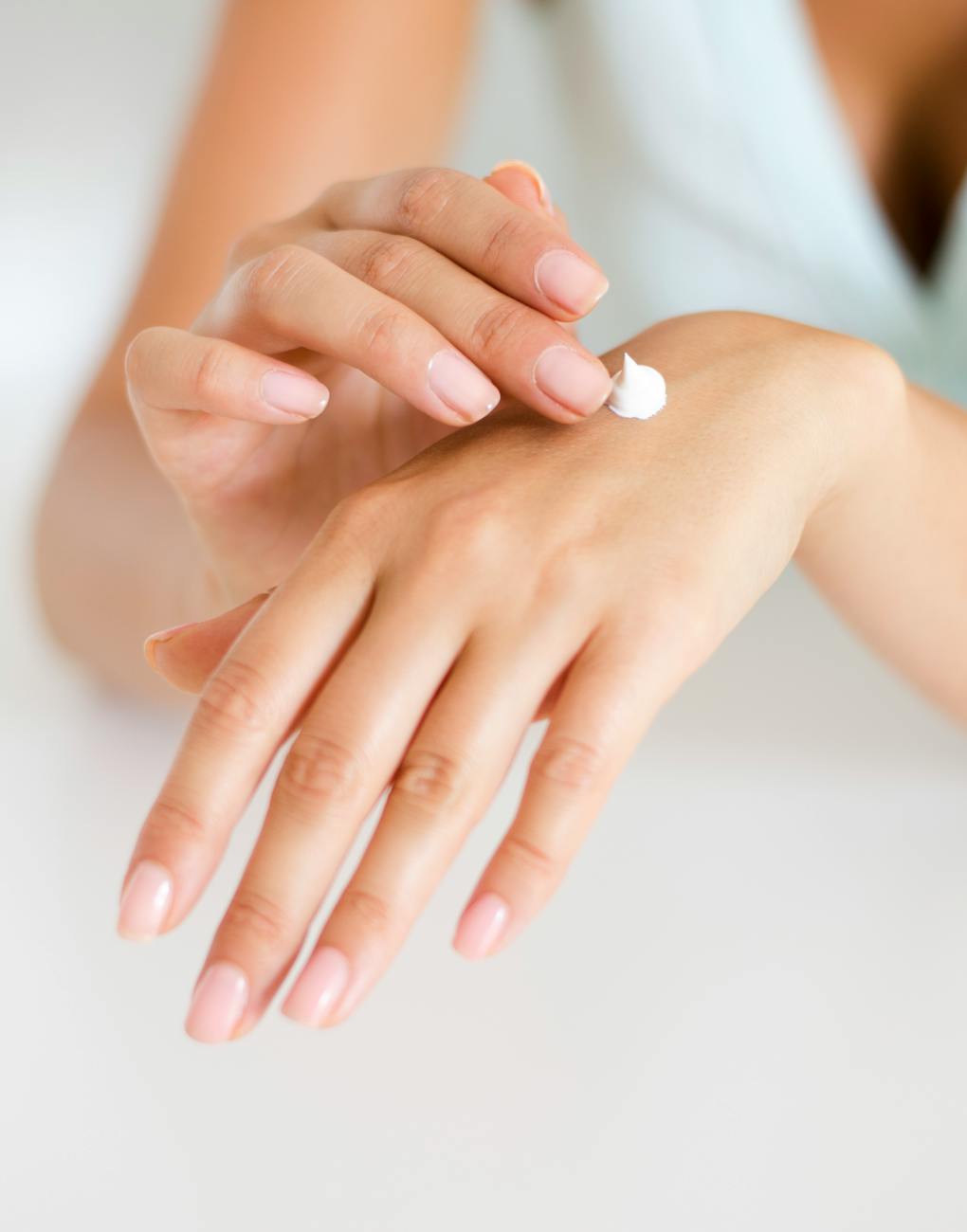
Hand lotion is designed to protect skin, restore moisture, and prevent cracking. However, some products contain ingredients that have sparked debate among researchers and consumer safety groups over potential long-term health concerns.
Most concerns focus on certain preservatives, fragrance chemicals, formaldehyde-releasing agents, or contamination risks that have been studied for possible links to health issues under certain exposure conditions.
Consumers increasingly read ingredient labels carefully and choose products with fewer controversial additives. Here are seven hand lotions that have faced ingredient-related criticism or consumer concern discussions over the years.
Bath & Body Works Japanese Cherry Blossom Body Lotion
Bath & Body Works lotions remain extremely popular because of their strong fragrances and rich textures. However, some consumer groups have criticized heavily fragranced lotions for containing synthetic fragrance blends that may include potentially irritating compounds.
Japanese Cherry Blossom Body Lotion has often appeared in discussions about fragrance sensitivity because of its intense scent profile. Fragrance mixtures can contain dozens of chemical compounds, many of which are not individually disclosed on packaging.
While the product is considered safe under current cosmetic regulations, some health-conscious shoppers prefer fragrance-free alternatives to minimize long-term chemical exposure.
Jergens Ultra Healing Lotion
Jergens Ultra Healing Lotion has long been a drugstore staple for dry skin. However, some versions of Jergens products have faced recalls and scrutiny in recent years related to possible bacterial contamination concerns in certain production lots.
Although contamination issues are different from cancer concerns, they increased consumer attention toward cosmetic ingredient safety and manufacturing quality control.
The lotion also contains fragrance ingredients and preservatives that some shoppers try to avoid when seeking cleaner skincare products.
Vaseline Intensive Care Cocoa Radiant Lotion
Vaseline Intensive Care Cocoa Radiant Lotion is popular for deeply moisturizing dry skin, but some ingredient-conscious consumers raise concerns about petroleum-derived ingredients and synthetic fragrance components.
Petroleum jelly itself is considered safe when properly refined for cosmetic use. However, discussions around petroleum-based skincare products occasionally create confusion among consumers researching long-term ingredient safety.
Some shoppers also prefer avoiding heavily scented lotions due to concerns about repeated fragrance exposure over many years.
Victoria’s Secret Love Spell Fragrance Lotion
Victoria’s Secret fragrance lotions are designed primarily around scent rather than minimalist skincare. Love Spell remains one of the brand’s best-known products, featuring strong fruity and floral fragrance combinations.
Consumer advocates sometimes criticize highly fragranced body products because fragrance formulations may contain phthalates or other controversial compounds linked to endocrine-disruption concerns in some studies.
Although cosmetic products sold legally must comply with safety regulations, shoppers looking for low-chemical skincare often avoid heavily perfumed lotions entirely.
Common lotion ingredients that frequently raise consumer concerns include:
- Synthetic fragrances
- Parabens
- Formaldehyde-releasing preservatives
- Phthalates
- Certain petroleum-derived compounds
These ingredients remain legally permitted in many cosmetic formulations but continue generating debate among ingredient-conscious buyers.
Suave Essentials Body Lotion
Suave Essentials lotions are affordable and widely available, but some formulas contain fragrance-heavy ingredient profiles alongside stabilizers and preservatives commonly found in mass-market skincare.
Critics of low-cost lotions sometimes argue that budget products rely more heavily on synthetic additives to maintain shelf stability and scent longevity.
While these ingredients are generally approved for cosmetic use, some consumers prefer products marketed as fragrance-free, hypoallergenic, or dermatologist-tested for sensitive skin.
Aveeno Daily Moisturizing Lotion
Aveeno is often considered a gentler skincare brand because many products use oatmeal-based formulas. However, even Aveeno lotions have occasionally appeared in online discussions regarding preservatives and ingredient transparency.
Some consumers specifically question the inclusion of fragrance components in certain formulas marketed for sensitive skin. Others simply prefer shorter ingredient lists with more plant-based ingredients.
Despite these concerns, Aveeno remains widely recommended by dermatologists for dry and irritated skin because of its moisturizing effectiveness.
Lubriderm Daily Moisture Lotion
Lubriderm Daily Moisture Lotion is known for lightweight hydration and broad availability. Still, ingredient-conscious consumers sometimes criticize the use of mineral oil, preservatives, and synthetic stabilizers in traditional formulas.
Mineral oil itself is generally considered safe in cosmetic-grade formulations, but debates around processed skincare ingredients continue influencing buyer preferences.
Many shoppers now compare lotions based not only on effectiveness but also on ingredient simplicity, fragrance intensity, and preservative systems.
How Consumers Can Make Safer Lotion Choices
Most mainstream hand lotions are considered safe when used as directed, but ingredient awareness has become increasingly important for consumers seeking minimalist skincare routines.
People concerned about long-term exposure often look for fragrance-free, paraben-free, and dermatologist-tested products. Reading ingredient labels carefully and choosing products designed for sensitive skin can help reduce irritation concerns.
Ultimately, moderation and informed shopping matter more than fear. Understanding which ingredients appear in everyday skincare products allows consumers to make choices that align with their comfort levels and personal health priorities.




Leave a Reply