
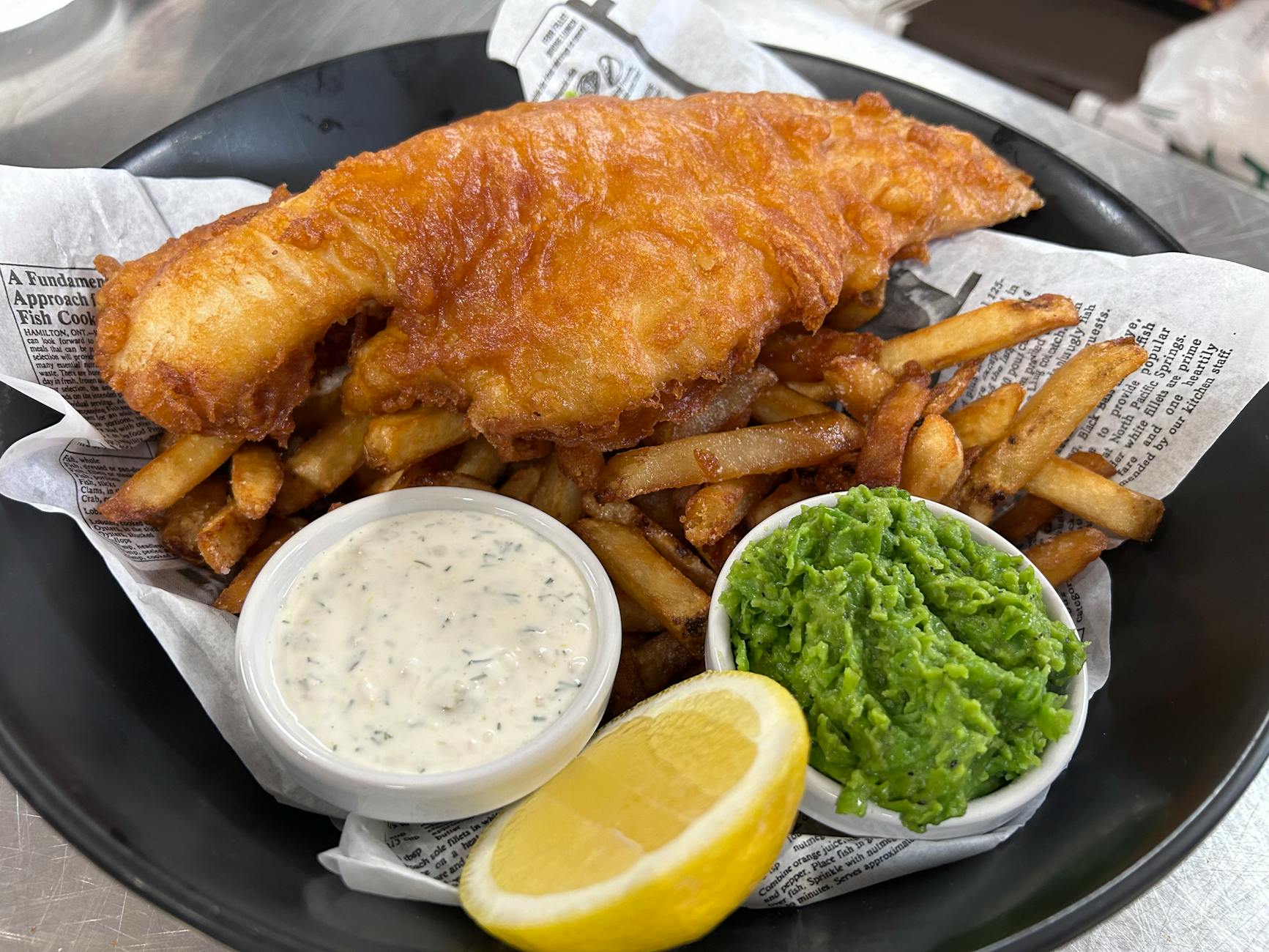
Fish and chips may sound like a simple dish, but getting it right takes more skill than many diners realize. Fresh fish, clean frying oil, crispy batter, and properly cooked fries all play major roles in creating a quality meal.
At restaurants that do not specialize in seafood, fish and chips can sometimes feel like an afterthought added mainly to broaden the menu. Inconsistent frying techniques, frozen fish, or soggy fries can quickly ruin the experience.
While these chains may serve decent meals overall, many diners and reviewers suggest avoiding fish and chips specifically at the following restaurants.
Applebee’s
Applebee’s is known primarily for burgers, appetizers, and casual American comfort food. Although fish and chips occasionally appears on menus or seasonal promotions, it is rarely considered one of the chain’s strongest offerings.
Customers sometimes complain about overly greasy batter or fish that tastes heavily processed rather than fresh. Because seafood is not the restaurant’s specialty, preparation quality can vary significantly by location.
Another common criticism involves the fries. Fish and chips depends heavily on crispy texture balance, but soggy or under-seasoned fries can make the entire dish feel bland and forgettable.
For many diners, Applebee’s more established menu items tend to provide a safer overall experience.
Denny’s
Denny’s built its reputation around breakfast foods, late-night comfort meals, and diner classics. Fish and chips often feels secondary compared to pancakes, burgers, or omelets.
Some customers report that the fish portions can seem overly breaded, with limited actual fish inside. Frozen texture and inconsistent frying are also frequent complaints.
Because Denny’s kitchens manage a massive variety of menu items, seafood preparation may not receive the same level of focus as core breakfast dishes.
The result can be a fish-and-chips plate that feels more like a convenience item than a carefully prepared entrée.
Buffalo Wild Wings
Buffalo Wild Wings specializes in wings, beer, and sports-bar food. While the chain occasionally offers seafood options, fish and chips is not considered a signature item.
Many diners note that the heavy breading and seasoning can overwhelm the fish itself. In sports-bar environments where fryers constantly cook wings and appetizers, flavors can sometimes blend together in less-than-ideal ways.
Common complaints about poorly executed fish and chips include:
- Greasy batter
- Soggy fries
- Small fish portions
- Frozen texture
- Overly salty seasoning
These issues become more noticeable at restaurants that prioritize other fried foods over seafood preparation.
IHOP
IHOP is famous for pancakes and breakfast combinations, not seafood. Fish and chips generally appears as a secondary lunch or dinner option rather than a featured specialty.
Some customers find the fish lacks crispness or arrives overly oily. Others feel the dish lacks the freshness and seasoning quality expected from strong seafood restaurants.
Because IHOP’s kitchen workflow centers heavily around breakfast service, fish preparation may not always receive the same attention as core menu items.
Most regular customers still prefer sticking with the chain’s breakfast-focused classics instead of seafood dishes.
TGI Fridays
TGI Fridays became popular for appetizers, cocktails, and casual party-style dining. Fish and chips, however, is often viewed as one of the less memorable menu items.
Some diners report that the fish can feel overly processed or too heavily battered. Others criticize inconsistent fry texture and lack of seasoning balance.
Seafood-focused restaurants usually pay closer attention to batter quality, oil temperature, and fish freshness. At broad casual-dining chains like TGI Fridays, those details may not always be prioritized.
While the chain succeeds with burgers and appetizers, fish and chips often struggles to stand out among stronger menu categories.
Why Seafood Specialization Matters
Fish and chips may appear simple, but consistency is difficult to maintain. Fresh fish must be stored properly, batter must fry at the correct temperature, and fries need careful timing to stay crisp.
Restaurants specializing in seafood typically handle these details more effectively because seafood preparation is central to their identity. Chains focused mainly on breakfast, burgers, or bar food may not deliver the same level of consistency.
That does not mean every fish-and-chips order at these restaurants will be bad. However, diners seeking high-quality seafood are often better served choosing establishments known specifically for fried fish and coastal-style cooking.
Sometimes the safest restaurant choice is sticking with what a chain does best.

Leave a Reply