
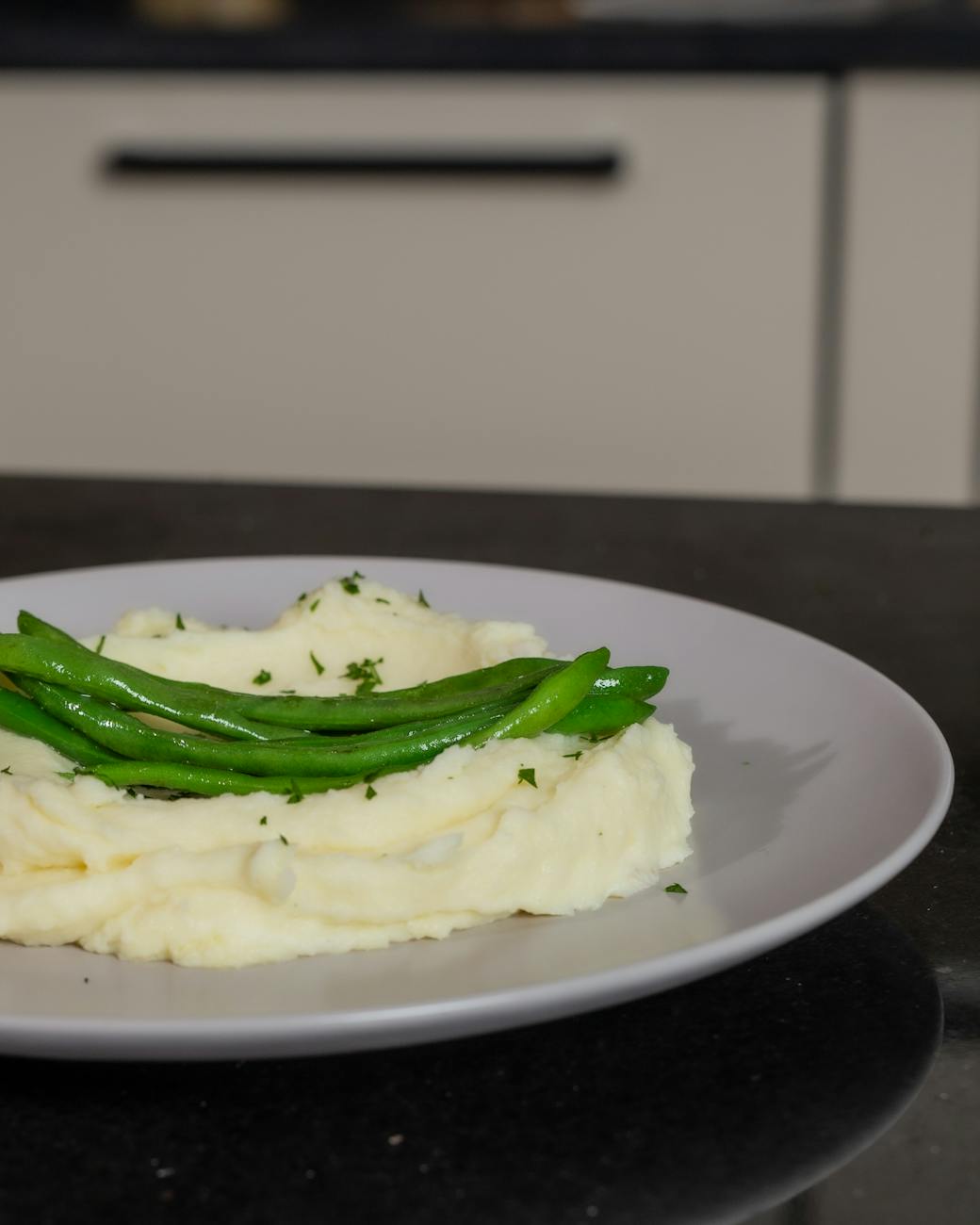
Mashed potatoes seem like one of the safest side dishes you can order at a restaurant. They are comforting, simple, and difficult to completely ruin in theory. Yet many chain restaurants consistently serve mashed potatoes that are bland, gluey, watery, or suspiciously artificial.
The biggest problem is that many restaurants prioritize speed and consistency over actual potato quality. Instant mixes, excessive butter substitutes, and heat-lamp holding trays can quickly turn what should be creamy and flavorful into something disappointing.
KFC
KFC may be famous for fried chicken, but its mashed potatoes have long divided customers.
One of the biggest complaints is the texture, which many diners describe as overly smooth and processed rather than resembling real hand-mashed potatoes.
The potatoes often lack visible potato chunks or natural texture variation, giving them a more powdered consistency.
The gravy usually provides most of the flavor. Without it, the potatoes themselves can taste fairly bland and heavily salted.
Many customers suspect the potatoes rely heavily on instant potato products instead of freshly mashed potatoes made in-store.
Because KFC focuses heavily on speed and high-volume production, consistency often takes priority over freshness.
The result is a side dish that feels engineered for convenience rather than homemade comfort.
Boston Market
Boston Market built much of its reputation around comfort food, making disappointing mashed potatoes especially noticeable.
While the chain once earned praise for richer sides, many customers now complain that the mashed potatoes taste watery or overly whipped.
The texture can become almost soupy during slower periods when food sits too long under warming conditions.
A few common restaurant mashed potato problems include:
- Gluey texture
- Excessive salt
- Powdered potato taste
- Watery consistency
- Lack of seasoning
Because mashed potatoes are one of Boston Market’s signature sides, inconsistency becomes particularly frustrating for repeat customers.
The gravy helps mask some texture issues, but the potatoes themselves often feel less substantial than expected.
Applebee’s
Applebee’s offers mashed potatoes alongside many entrée combinations, but the side dish frequently receives criticism for tasting generic and overly processed.
The potatoes often arrive extremely smooth with little natural potato texture remaining.
Many diners describe them as cafeteria-style mashed potatoes rather than restaurant-quality comfort food.
Holding trays and reheating may contribute to the problem, especially during busy dinner rushes.
The potatoes can also become oddly dense or sticky depending on how long they sit before serving.
At casual dining restaurants focused on large menus, side dishes sometimes receive far less attention than core entrées.
That lack of focus becomes noticeable when compared to restaurants making mashed potatoes fresh in smaller batches.
Some customers also complain that the butter flavor tastes artificial rather than rich and creamy.
Golden Corral
Buffet restaurants face unique challenges when serving mashed potatoes, and Golden Corral is no exception.
Because the potatoes sit on steam tables for extended periods, texture problems become extremely common.
Mashed potatoes left under heat lamps too long often dry out around the edges while becoming gummy underneath.
Frequent stirring can further break down the starches, creating dense or glue-like consistency.
Golden Corral’s huge buffet format also prioritizes quantity over careful preparation.
The potatoes sometimes fluctuate dramatically depending on timing. Fresh batches may taste acceptable, while older trays become noticeably thick and pasty.
Buffet environments also make seasoning consistency difficult to maintain across large production batches.
Customers arriving during off-peak hours often experience the weakest potato quality.
Denny’s
Denny’s serves mashed potatoes with several comfort-food platters, but they often feel more like an afterthought than a carefully prepared side.
The potatoes can arrive lukewarm, overly thick, or strangely uniform in texture.
Late-night service hours may also contribute to quality inconsistency, especially during overnight shifts with smaller kitchen crews.
Many diners report that the potatoes rely heavily on gravy for moisture and flavor.
Without gravy, the side dish may taste under-seasoned and somewhat dry.
Like many large diner chains, Denny’s prioritizes speed and broad menu variety over handcrafted preparation methods.
That approach can work well for breakfast staples, but simpler comfort-food sides sometimes suffer.
Customers seeking rich, homemade-style mashed potatoes often leave disappointed.
Why Restaurant Mashed Potatoes Go Wrong
Mashed potatoes sound simple, but restaurants regularly struggle to maintain proper texture and flavor at scale.
Several common issues repeatedly affect chain restaurant mashed potatoes:
- Holding potatoes too long under heat lamps
- Using instant potato flakes
- Overmixing starches
- Excessive reheating
- Poor seasoning balance
Fresh mashed potatoes require careful timing and preparation to stay creamy instead of gummy.
Restaurants serving large volumes frequently sacrifice quality for speed and consistency.
Mashed potatoes should be rich, creamy, and comforting, but many chain restaurants struggle to maintain those qualities consistently. Overprocessing, reheating, steam-table storage, and instant potato mixes often create disappointing texture and flavor. While gravy and butter can help hide some flaws, customers seeking homemade-style mashed potatoes may want to think twice before ordering them at certain large restaurant chains.




Leave a Reply