
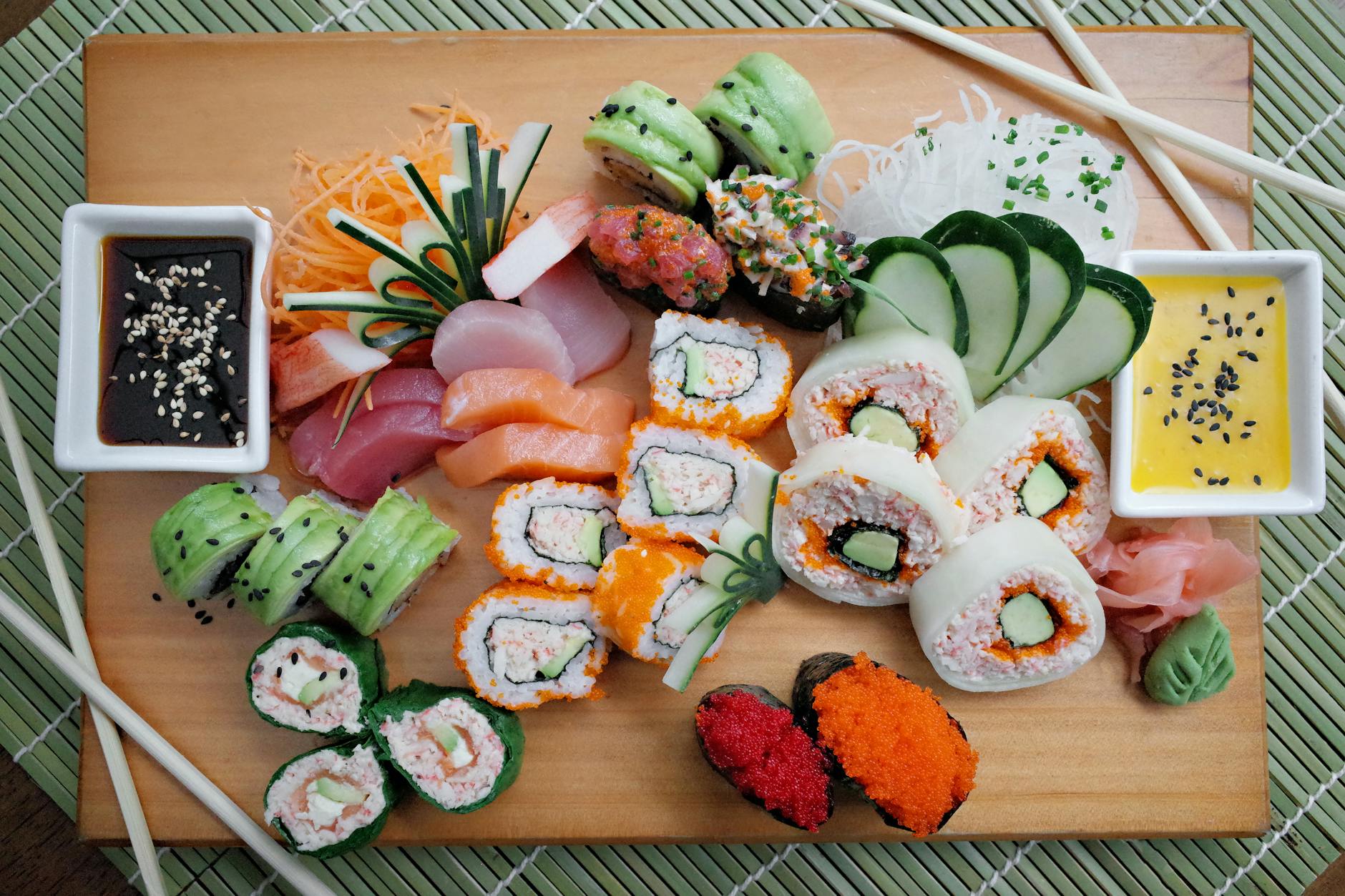
Sushi restaurants can deliver wildly different experiences depending on when you visit. Timing affects everything from fish freshness and chef attention to pricing, atmosphere, and menu availability.
Many diners focus entirely on which sushi restaurant to choose while overlooking how much the timing of their visit can improve the overall experience. Whether you want fresher seafood, quieter dining, or better deals, these are five of the best times to visit a sushi restaurant.
Right After Lunch Rush Ends
One of the smartest times to visit a sushi restaurant is shortly after the lunch rush ends, usually between 1:30 p.m. and 3:00 p.m.
At this point, restaurants are often quieter, giving sushi chefs and servers more time to focus on individual customers.
The ingredients are still fresh from earlier prep, but the crowded lunch atmosphere has usually disappeared.
Many diners also appreciate the calmer environment because sushi meals often feel more enjoyable when eaten slowly rather than during packed peak hours.
Restaurants sometimes continue lunch specials into the early afternoon as well, allowing customers to save money while still receiving full-quality meals.
A few advantages of off-peak sushi dining include:
- Faster service
- Quieter atmosphere
- Better chef interaction
- Easier seating availability
- Reduced wait times
This timing works especially well for people who want a more relaxed experience without paying premium dinner prices.
Weekday Evenings Instead Of Weekends
Weekday evenings often provide a much smoother sushi experience compared to crowded Friday and Saturday nights.
On weekends, many sushi restaurants become loud and heavily packed, which can slow service and make reservations difficult.
Weeknights typically feel calmer and more controlled, allowing chefs to prepare dishes more consistently without overwhelming ticket volume.
Some sushi bars also reserve their freshest premium fish for regular weekday customers rather than burning through inventory during high-volume weekend traffic.
Diners sitting directly at the sushi counter may also have more opportunities to interact with chefs and ask for recommendations.
That personalized experience is one of the best parts of quality sushi dining.
Weekday visits also reduce the likelihood of rushed table turnover, giving customers more time to enjoy multiple courses.
During Seasonal Seafood Peaks
Seasonality matters enormously in sushi quality, even at high-end restaurants.
Certain fish varieties taste dramatically better during peak seasons when fat content and freshness naturally improve.
For example, fatty tuna tends to shine during colder months, while uni, salmon, and yellowtail may peak during different parts of the year depending on sourcing.
Experienced sushi chefs often build seasonal specials around ingredients currently at their best.
Customers visiting during these peak seafood periods usually experience richer textures and more balanced flavor.
Some seasonal sushi ingredients diners frequently seek out include:
- Bluefin tuna
- Sea urchin
- Japanese amberjack
- Sweet shrimp
- Mackerel
Asking chefs what fish is currently in season often leads to the best meals on the menu.
Early Dinner Hours
Arriving right when dinner service begins can dramatically improve your sushi experience.
Most sushi restaurants begin dinner with fully stocked fish cases, freshly prepared rice, and organized kitchen operations.
Early diners also avoid the intense crowds that develop later in the evening.
Because chefs are less overwhelmed during the opening dinner rush, plating and preparation may feel more precise and attentive.
This timing is especially valuable at smaller sushi bars where limited seating fills quickly.
Customers arriving early are also more likely to access premium daily specials before they sell out later in the night.
Many restaurants receive fresh seafood deliveries earlier in the day, making early evening one of the strongest windows for peak freshness.
During Omakase Service Hours
Omakase dining represents one of the best ways to experience a sushi restaurant at its highest level.
The term “omakase” roughly translates to “I’ll leave it up to you,” allowing chefs to personally select dishes based on seasonal ingredients and freshness.
Restaurants often reserve specific hours or seating periods for omakase service, especially at sushi counters.
These experiences typically feature the freshest cuts, highest-quality seafood, and most carefully prepared bites available that day.
Because chefs control pacing and menu progression, diners often receive a much more refined and educational experience.
Omakase also allows chefs to showcase ingredients they are most excited about rather than relying on standard menu staples.
For serious sushi fans, this style of dining often delivers the most memorable meals possible.
Timing can completely transform a sushi restaurant experience. Visiting during calmer weekday hours, seasonal seafood peaks, early dinner service, or dedicated omakase periods often leads to fresher fish, better service, and more enjoyable meals overall. While great sushi depends heavily on ingredient quality and chef skill, choosing the right time to visit may be one of the easiest ways to upgrade your dining experience without spending dramatically more money.



Leave a Reply