
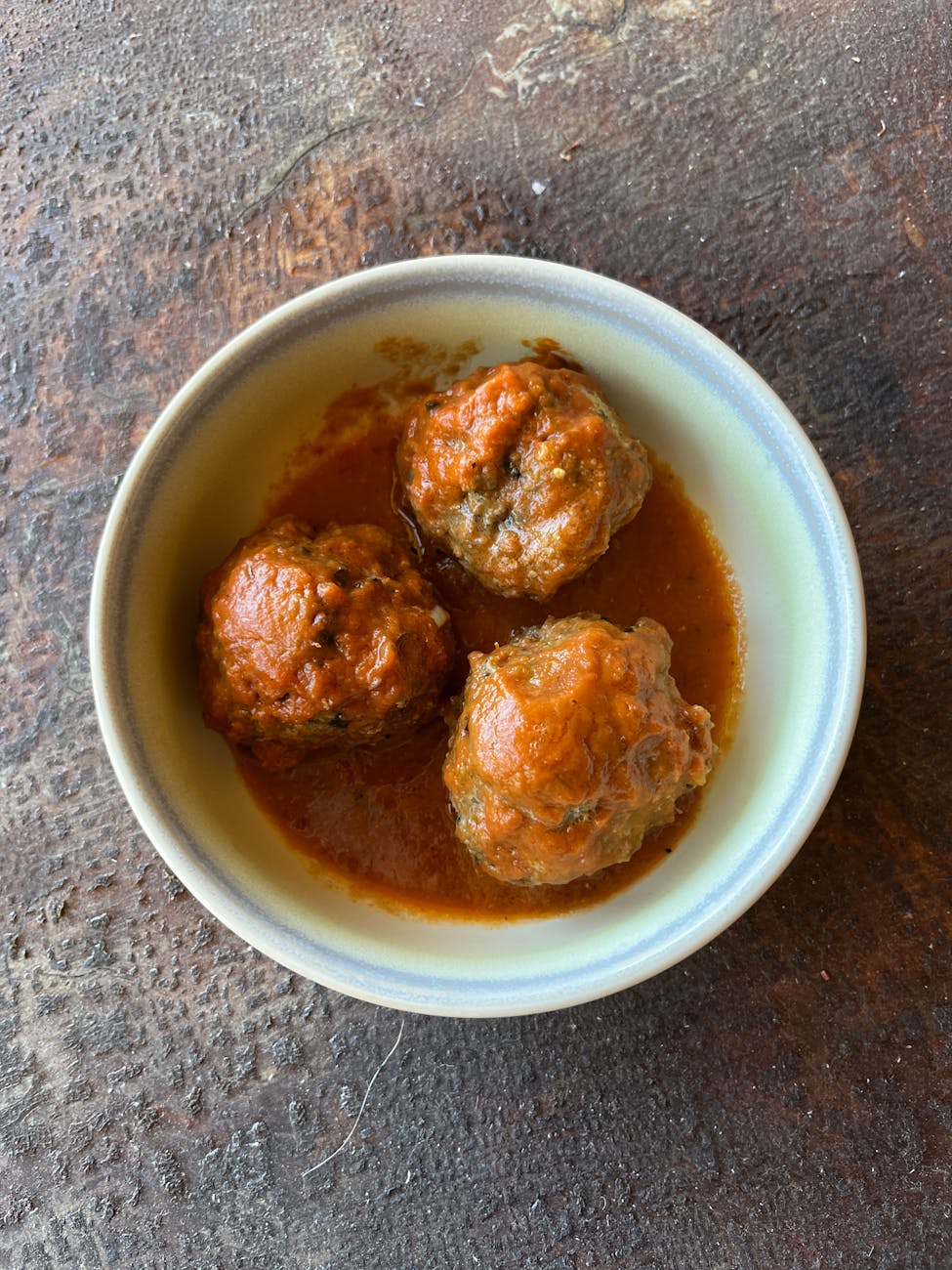
Meatballs are a comfort food staple across many cuisines, but the type of meat used can dramatically affect texture, flavor, and overall nutritional quality. While almost any ground protein can technically be shaped into a meatball, some choices lead to greasy, dense, or overly processed results that don’t hold up well during cooking.
Choosing the right meat matters not just for taste, but also for structure and balance. Below are six types of meats that are generally considered poor choices for homemade meatballs due to texture issues, excessive fat, or heavy processing.
Highly Processed Breakfast Sausage Meat
Breakfast sausage meat may seem flavorful, but it is one of the worst bases for meatballs. It is typically pre-seasoned with high levels of salt, sugar, and spice blends that overpower any additional ingredients.
Because it is already heavily flavored, it becomes difficult to control seasoning in the final dish. The result is often overly salty and one-dimensional.
In addition, sausage meat tends to contain a high fat content, which can cause meatballs to shrink excessively and release too much grease during cooking. This leads to a dense, oily texture rather than a tender bite.
70/30 Extra-Fat Ground Beef
Extra-fat ground beef, such as 70/30 blends, is another poor choice for meatballs. While fat contributes flavor, too much of it creates structural problems.
When cooked, these meatballs tend to fall apart or become overly greasy, making sauces oily and unbalanced. The texture can also become mushy instead of firm and cohesive.
A better balance is typically found in leaner blends like 80/20 or 85/15, which provide enough fat for moisture without overwhelming the mixture.
Pork Belly or Pure Fatty Pork Cuts
Pork belly is rich, flavorful, and popular in many dishes, but it is far too fatty to serve as a primary meatball base. It lacks the structural lean protein needed to hold shape.
When used on its own, pork belly produces meatballs that shrink significantly and release large amounts of rendered fat during cooking.
Common issues include:
- Excess grease pooling in the pan or sauce
- Meatballs losing shape during simmering
- Overly rich and heavy texture
- Lack of binding stability
While small amounts can be added for flavor, pork belly should never be the main component of a meatball mixture.
Mechanically Separated Chicken
Mechanically separated chicken is a processed meat product created by forcing bones and residual tissue through high-pressure systems. It is commonly used in inexpensive processed foods.
While safe in regulated amounts, it has a paste-like texture that does not behave well in traditional meatball mixtures. The lack of muscle structure leads to inconsistent binding and a rubbery final texture.
It also tends to release excess moisture, which can make meatballs soggy instead of firm. Flavor is often bland, requiring heavy seasoning that can further unbalance the dish.
Deli Ham Scraps or Processed Lunch Meat
Using deli ham scraps or ground lunch meat is another poor choice for meatballs. These products are already fully cooked, heavily cured, and often packed with sodium and preservatives.
When reheated inside meatballs, they can become rubbery or overly salty. The curing process also changes protein structure, making it difficult for the meat to bind properly with other ingredients.
These meats are better suited for cold sandwiches or quick snacks rather than cooked, mixed dishes like meatballs.
Fatty Lamb Shoulder or Excessively Rich Lamb Cuts
Lamb can make delicious meatballs, but overly fatty cuts like lamb shoulder can create problems when used without balance. High fat content leads to heavy, dense meatballs that can feel overwhelming.
The strong flavor of lamb also intensifies during cooking, which may overpower herbs, garlic, and sauces commonly used in meatball recipes.
To make matters more challenging, excessive fat causes uneven cooking, often leaving the interior too soft while the exterior becomes overly browned.
For better results, leaner lamb cuts or a mix of lamb and beef are typically preferred.
Conclusion
While meatballs are highly versatile, not all meats perform equally well in ground mixtures. Extremely fatty, heavily processed, or structurally weak meats often lead to greasy, dense, or unstable results that lack the ideal balance of flavor and texture.
Choosing leaner, fresher cuts with moderate fat content helps ensure meatballs hold their shape, cook evenly, and absorb seasoning properly. With the right meat selection, even simple recipes can deliver far better results.


Leave a Reply