
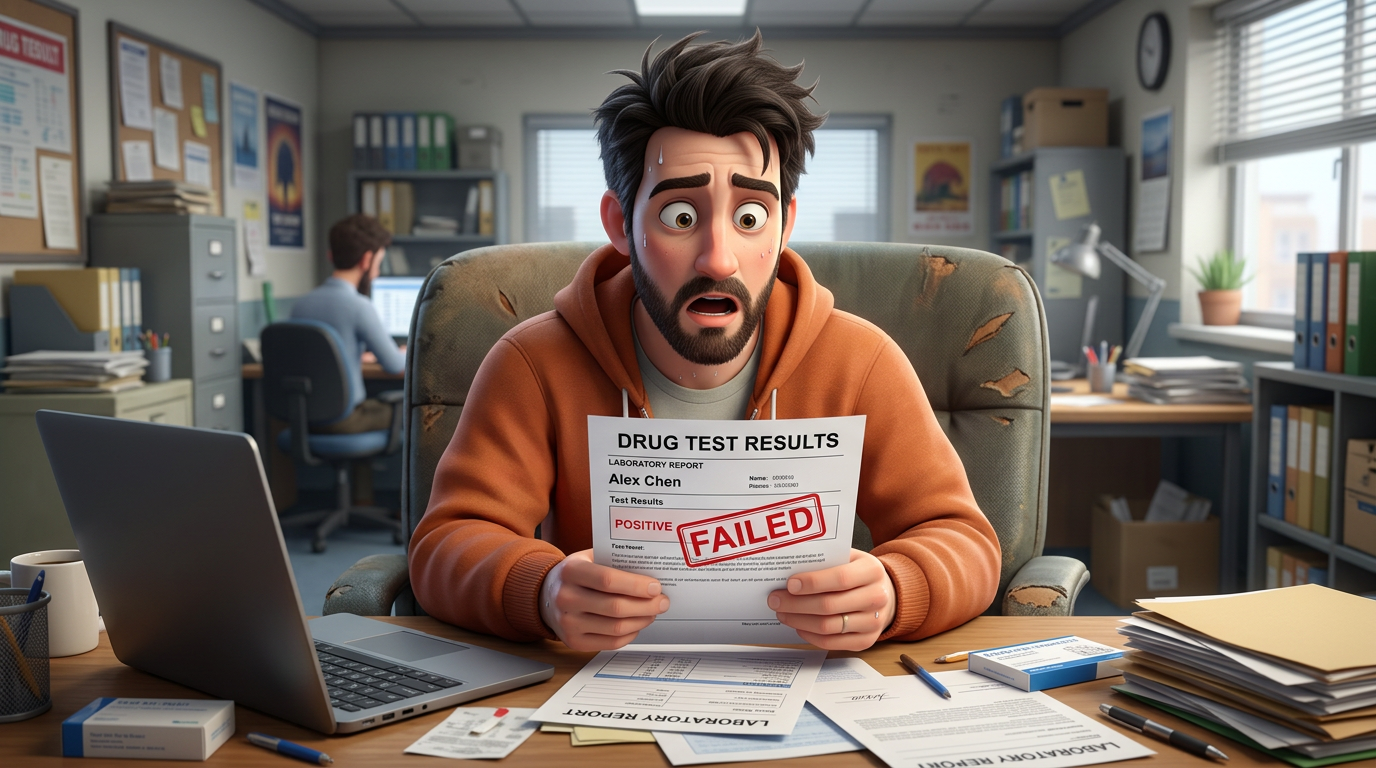
Drug tests are designed to detect specific substances or their metabolites in the body, but certain foods and legal products have occasionally caused unexpected or disputed results. While modern testing methods are generally more accurate than older screening systems, some foods can still trigger preliminary positives or create confusion during less sophisticated tests.
Most false positives are later corrected through confirmatory laboratory testing, but the initial result can still create stress or delays. Understanding which foods have historically been associated with testing complications may help people avoid surprises before employment screenings, athletic testing, or medical evaluations.
Poppy Seed Bagels and Muffins
Poppy seed are perhaps the most famous food associated with drug test complications.
Poppy seeds come from the same plant species used to produce opium compounds, and trace amounts of morphine or codeine can sometimes remain on the seeds after processing.
Eating large quantities of poppy seed foods shortly before testing has historically caused preliminary positive opioid results in some screening tests.
Foods commonly associated with this issue include:
- Poppy seed bagels
- Lemon poppy seed muffins
- Poppy seed salad dressings
- Poppy seed pastries
Modern testing thresholds have been adjusted in many places to reduce false positives, but concerns still occasionally arise.
Hemp Seed Snacks and Oils
Hemp seed are widely sold in granola, protein bars, smoothies, and snack products because they contain protein and healthy fats.
Although hemp products contain only trace amounts of THC, some poorly processed or contaminated products have occasionally raised concerns about drug screening interference.
Most commercially regulated hemp foods are considered safe and unlikely to trigger positive results when consumed normally.
However, heavy consumption of certain hemp oils or unregulated products has led some employers and athletes to avoid them before testing.
The risk is generally low but not considered completely impossible in every situation.
Coca Tea and Coca-Derived Products
Coca tea is consumed legally in some South American countries and is made from coca leaves.
Because coca leaves naturally contain compounds related to cocaine production, drinking coca tea can potentially produce positive cocaine test results.
Travelers sometimes unknowingly consume coca tea while visiting high-altitude regions where it is traditionally used to combat altitude sickness.
Even though the beverage may be culturally accepted in certain areas, it can still create major complications during drug screenings elsewhere.
This makes coca tea one of the clearest examples of a legal food product potentially affecting test outcomes.
Certain Energy Drinks and Supplements
Energy drink and workout supplements have occasionally been associated with disputed drug test results due to undeclared stimulants or contaminated ingredients.
Some imported or poorly regulated products have been found to contain compounds not clearly listed on labels.
This is especially concerning for athletes subject to strict anti-doping regulations, where even trace contamination can create problems.
While the beverages themselves are not usually the issue, unregulated additives sometimes introduce risk.
Consumers are often advised to choose products that undergo third-party testing and certification.
Fermented Foods and Alcohol Screenings
Kombucha and certain fermented foods naturally contain tiny amounts of alcohol due to the fermentation process.
In extremely rare cases, consuming large quantities shortly before alcohol testing could potentially affect sensitive breath or urine screenings.
Foods and drinks that may contain trace alcohol include:
- Kombucha
- Fermented fruit beverages
- Certain vinegars
- Fermented desserts
The alcohol levels are usually extremely low and unlikely to cause issues under normal circumstances, but they have occasionally been discussed in testing controversies.
Timing and quantity play major roles in whether any measurable effect occurs.
CBD Gummies and Edibles
CBD gummies are often marketed as THC-free wellness products, but labeling inconsistencies have caused problems for some consumers.
Independent testing has occasionally found trace THC levels in products advertised as containing none.
Because THC can accumulate in the body over time, repeated use of contaminated CBD edibles may increase the chance of a positive cannabis screening.
The risk varies significantly depending on manufacturing quality and product regulation.
Consumers concerned about testing often look for products with verified third-party lab reports and strict THC-free certification.
Conclusion
Most modern drug tests are designed to reduce false positives, especially through confirmatory laboratory analysis. However, certain foods and beverages have historically caused testing complications or raised concerns due to naturally occurring compounds, contamination, or labeling inconsistencies.
Understanding these potential interactions can help people make more informed choices before important screenings and reduce unnecessary stress caused by unexpected preliminary results.



Leave a Reply