
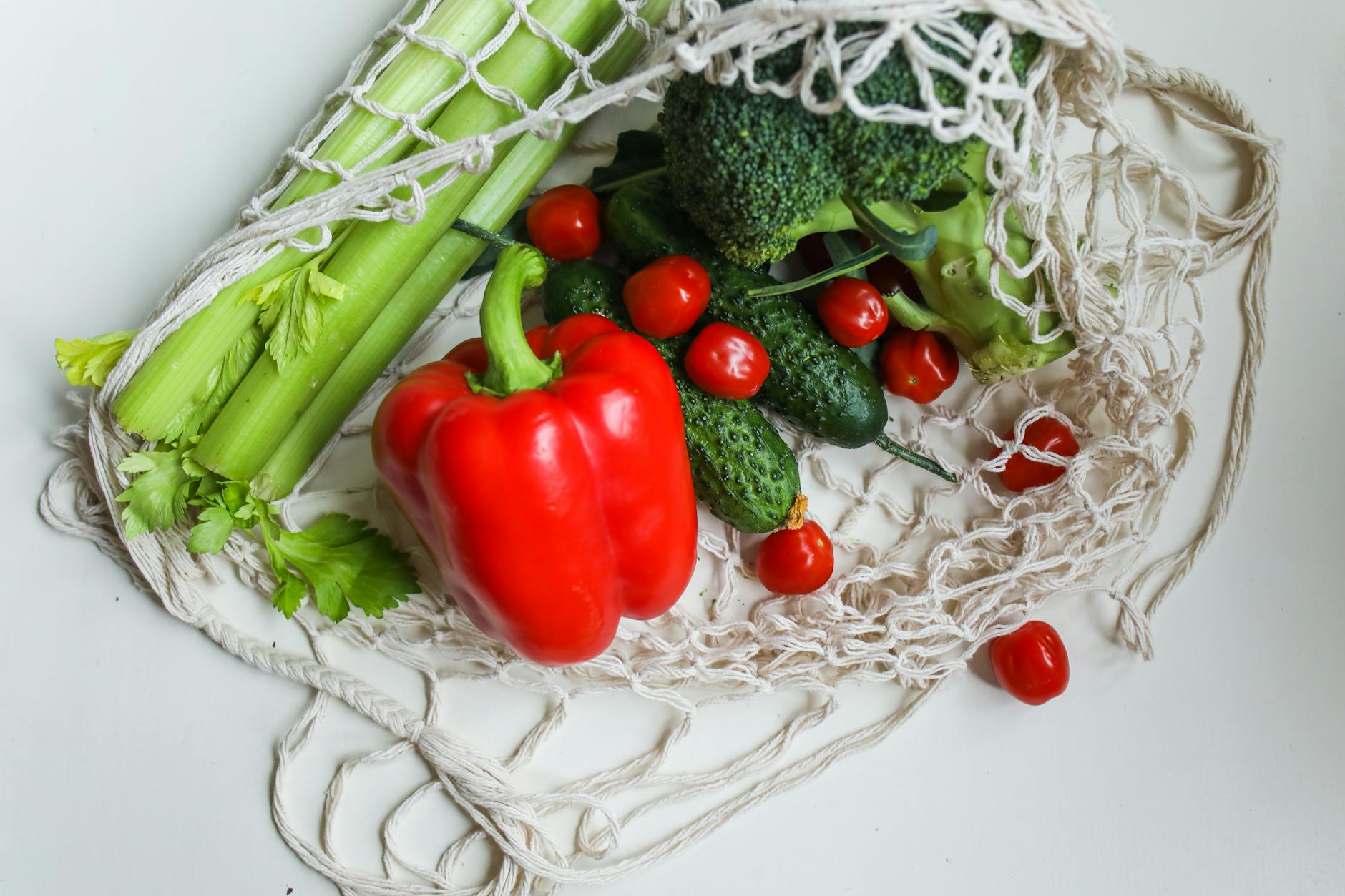
Growing your own vegetables can be rewarding, but it also comes with a lesser-known safety consideration: not all parts of edible plants are safe to eat. In particular, some vegetable seeds contain natural compounds that can be toxic if consumed in large quantities or improperly prepared.
These compounds often serve as the plant’s defense system in nature, protecting seeds from pests and predators. While most garden vegetables are safe once properly processed or cooked, their raw seeds can sometimes cause digestive distress or more serious symptoms if eaten in excess.
TOMATO SEEDS
Tomato seeds are generally safe in small amounts when eating fresh tomatoes, but they contain compounds called glycoalkaloids, including tomatine. These substances help protect the plant but can be irritating in concentrated amounts.
In normal culinary use—such as in salads, sauces, or cooking—the seeds pose no real danger. However, consuming large quantities of raw, concentrated seeds could potentially lead to stomach discomfort.
Tomato seed toxicity is usually mild in humans, but sensitive individuals may experience nausea or digestive irritation when consuming excessive amounts.
APPLE SEEDS
Apple seeds are one of the most well-known examples of seeds that contain naturally occurring toxins. They contain a compound called amygdalin, which can release cyanide when metabolized.
Swallowing a few seeds accidentally is not typically harmful because the hard outer shell prevents digestion. However, crushing or chewing large quantities of apple seeds increases the risk of exposure.
Common concerns include:
- Bitter almond-like compounds
- Cyanide release during digestion
- Potential toxicity in large doses
For this reason, apple seeds should never be intentionally consumed in bulk.
PEPPER SEEDS
Seeds from chili peppers and bell peppers are not highly toxic, but they can cause discomfort in some individuals due to their capsaicin content and tough fibrous structure.
In chili peppers, most of the heat is actually concentrated in the inner membranes, but seeds often absorb some of the compound. Eating large amounts can lead to digestive irritation, especially for people sensitive to spicy foods.
While pepper seeds are commonly eaten in small amounts, they are usually removed in cooking to reduce heat intensity and improve texture.
EGGPLANT SEEDS
Eggplant seeds are generally safe in small quantities, but they can become bitter and difficult to digest in older or overripe eggplants. This bitterness is due to compounds called alkaloids, which serve as natural plant defenses.
In modern cultivated eggplants, toxin levels are very low. However, traditional or wild varieties may contain higher concentrations that can cause stomach discomfort.
Eggplant seeds are usually soft and edible when the vegetable is harvested young, but they become harder and more pronounced as the plant matures.
RHUBARB SEEDS
While rhubarb stalks are commonly used in pies and desserts, the seeds of the plant are not typically consumed and may contain compounds that are considered unsafe in large amounts.
The more well-known concern with rhubarb is its leaves, which contain high levels of oxalic acid. However, seeds are also not recommended for consumption due to their potential to cause digestive issues.
In home gardening settings, rhubarb seeds are primarily used for propagation rather than food consumption.
SQUASH SEEDS (RAW WILD VARIETIES)
Most commercially grown squash seeds—such as pumpkin or zucchini seeds—are safe and even nutritious when roasted. However, seeds from certain wild or ornamental squash varieties may contain bitter compounds called cucurbitacins.
These compounds can cause nausea, vomiting, and stomach cramps if ingested. Cultivated squash varieties have been selectively bred to minimize these toxins, but wild hybrids can still pose a risk.
It is important to avoid consuming seeds from unknown or non-edible ornamental squash plants.
COMMON SAFETY GUIDELINES
While most vegetable seeds are safe in everyday cooking, understanding which ones can be problematic helps reduce unnecessary risk. Proper preparation and moderation are key when handling edible plants.
General safety tips include:
- Avoid eating seeds from wild or ornamental plants
- Do not consume large quantities of raw seeds
- Cook or roast seeds when appropriate
- Stick to seeds from known edible varieties
These simple practices help ensure safe enjoyment of homegrown or store-bought vegetables.
Conclusion
Vegetable seeds play an important role in plant reproduction, but they also contain natural chemical defenses that can be harmful in certain situations. While most seeds found in common grocery vegetables are safe in normal amounts, a few require caution, especially when consumed raw or in large quantities.
By understanding how different plant seeds behave, home cooks and gardeners can enjoy vegetables safely while avoiding unnecessary health risks.



Leave a Reply