
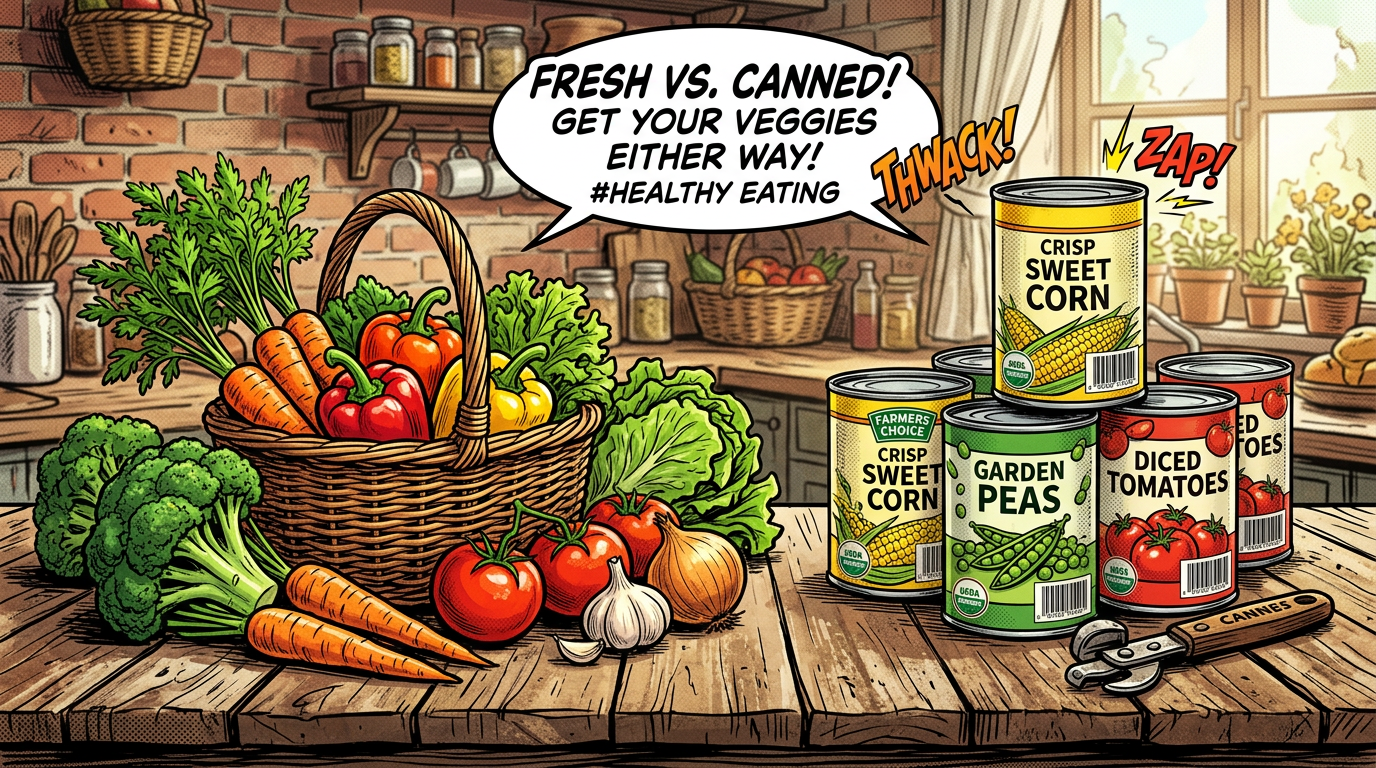
Fresh vegetables are often considered the healthiest option, but that doesn’t always mean they are the best choice. In many cases, canned vegetables are picked at peak ripeness and preserved quickly, locking in nutrients and flavor that fresh produce can lose during transport and storage.
Canned vegetables are also convenient, affordable, and available year-round. When chosen carefully—especially low-sodium or no-salt-added varieties—they can be just as nutritious as fresh options and sometimes even better in cooking performance.
CANNED TOMATOES
Canned tomatoes are one of the best examples of a vegetable that often outperforms its fresh counterpart. Products like San Marzano canned tomatoes or Hunt’s diced tomatoes are harvested at peak ripeness and preserved immediately.
Fresh tomatoes sold in grocery stores are often picked early and ripened during shipping, which can reduce flavor intensity. Canned tomatoes, by contrast, tend to have a richer, deeper taste ideal for cooking.
They are especially useful in sauces, soups, and stews, where their soft texture and concentrated flavor create a strong base.
CANNED GREEN BEANS
Canned green beans, such as those from Del Monte Cut Green Beans, are a reliable pantry staple that often perform better than fresh beans in certain cooked dishes.
Fresh green beans can lose texture quickly if not used immediately, while canned versions are pre-cooked and ready to use. This makes them ideal for casseroles, stir-fries, or quick side dishes.
Although their texture is softer than fresh beans, this actually works well in comfort foods like green bean casserole.
CANNED CORN
Canned corn, including brands like Green Giant Sweet Corn, is often sweeter and more consistent than fresh corn that has been sitting on store shelves.
Corn begins converting sugar to starch soon after harvest, which means fresh corn can lose sweetness quickly. Canned corn preserves that sweetness at peak freshness.
It is commonly used in soups, salads, chowders, and Mexican-inspired dishes like elote-style bowls or salsas.
CANNED PUMPKIN
Canned pumpkin, such as Libby’s 100% Pure Pumpkin, is widely considered superior to fresh pumpkin for baking and cooking.
Fresh pumpkin requires peeling, roasting, and pureeing, which can be time-consuming and inconsistent in texture. Canned pumpkin is smooth, dense, and ready to use.
It is especially popular in pies, muffins, and soups, where consistent moisture and flavor are important for recipe success.
CANNED PEAS
Canned peas, like those from Le Sueur Very Young Small Sweet Peas, are often more tender and consistent than fresh peas that have been frozen or stored too long.
Fresh peas can be difficult to shell and may lose sweetness quickly after harvest. Canned peas preserve their soft texture and mild flavor, making them ideal for quick meals.
They are commonly used in:
- Shepherd’s pie
- Rice dishes
- Pasta salads
- Creamed vegetable sides
While slightly softer than fresh peas, they blend easily into cooked dishes without requiring preparation time.
CANNED BEETS
Canned beets, such as Oregon Farms Sliced Beets, are often more convenient and consistently flavorful than fresh beets, which require long roasting or boiling times.
Fresh beets can take up to an hour or more to cook, while canned beets are pre-cooked and ready to eat. They also retain their earthy sweetness well during the canning process.
Canned beets work especially well in salads, pickled dishes, and side plates where convenience matters more than texture firmness.
WHY CANNED VEGETABLES SOMETIMES WIN
Canned vegetables are often processed within hours of harvest, which helps preserve nutrients. In some cases, they may even contain higher levels of certain vitamins compared to fresh produce that has been stored for days.
Key advantages include:
- Long shelf life
- Lower cost
- Year-round availability
- Reduced food waste
- Ready-to-use convenience
Choosing low-sodium or no-salt-added versions can make them even healthier.
Conclusion
While fresh vegetables are still an excellent choice, canned vegetables offer surprising advantages in flavor, convenience, and consistency. From tomatoes and corn to pumpkin and peas, many canned options are actually better suited for cooking and everyday meal preparation.
Understanding when to choose canned over fresh can help improve both the quality and practicality of home cooking.



Leave a Reply