
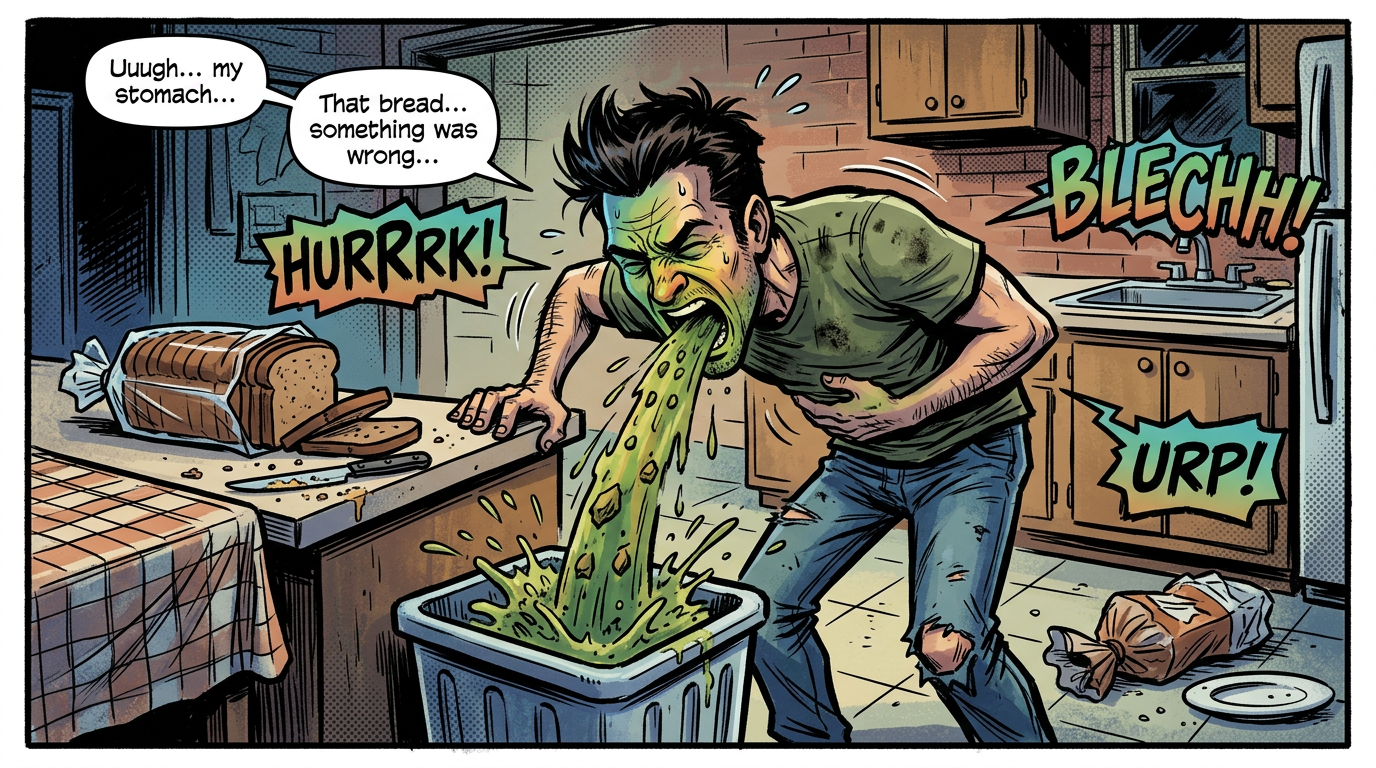
Bread is one of the most widely consumed staple foods in the world, but it is also one of the most misunderstood when it comes to expiration dates. While stale bread is usually just unpleasant to eat, certain conditions can make expired bread unsafe due to mold growth, bacterial contamination, or improper storage.
It’s important to clarify that bread does not become “deadly” simply after its expiration date. Instead, risks arise when bread is stored in warm, moist environments where harmful molds or toxins can develop. These risks are rare but worth understanding, especially for soft, packaged, or preservative-free breads.
WHITE SANDWICH BREAD
White sandwich bread, such as Wonder Bread, is one of the most commonly consumed packaged breads in households. Because it contains preservatives, it typically lasts longer than artisanal breads.
However, once it passes its expiration date and is stored improperly, it can still develop mold that may not always be immediately visible. Some molds produce mycotoxins, which can be harmful if ingested in large amounts.
Soft texture and high moisture content make white bread especially vulnerable once protective packaging is compromised.
WHOLE WHEAT BREAD
Whole wheat bread, including brands like Arnold Whole Grains Bread, tends to spoil faster than white bread due to its higher oil content from the wheat germ.
These natural oils can go rancid over time, producing off smells and flavors. Additionally, whole wheat bread is more prone to mold growth because it contains fewer preservatives in many “natural” versions.
If stored beyond expiration in warm conditions, it can develop fungal growth that spreads quickly through the loaf.
SOURDOUGH BREAD
Sourdough bread, such as bakery-style loaves from artisan brands or local bakeries, is often marketed as naturally resistant to spoilage due to its acidic fermentation process.
While this acidity slows mold growth, it does not prevent it entirely. Once expired and exposed to moisture, sourdough can still develop mold colonies, especially in sliced or partially consumed loaves.
Because sourdough is often stored without strong preservatives, it should be consumed relatively quickly after purchase.
MULTIGRAIN BREAD
Multigrain breads, such as Dave’s Killer Bread, contain seeds and grains that add nutrition but also increase spoilage risk.
The seeds and nuts in multigrain bread contain natural oils that can turn rancid over time. This makes expired multigrain bread more likely to develop off flavors and potential mold issues.
Its dense structure also traps moisture, which can accelerate microbial growth if not stored properly.
GLUTEN-FREE BREAD
Gluten-free bread, including brands like Udi’s Gluten Free Bread, often has a shorter shelf life than traditional bread. This is because it lacks gluten structure and often relies on moisture-rich ingredients like rice flour or starch blends.
These ingredients make gluten-free bread more susceptible to mold growth after expiration, especially if it is not refrigerated or frozen.
Common risks include:
- Rapid mold formation due to moisture content
- Shorter shelf stability compared to wheat bread
- Texture breakdown that traps humidity
- Higher spoilage rate after opening
Proper storage in the freezer is often recommended for gluten-free varieties.
POTATO BREAD
Potato bread, such as Martin’s Potato Bread, contains added potato flour or mashed potatoes, which increase softness and moisture retention.
While this makes the bread tender and flavorful, it also creates a favorable environment for mold growth once the bread is past its expiration date.
Because of its high moisture content, potato bread can spoil faster than many other packaged breads if left at room temperature.
WHY EXPIRATION DATES MATTER
Expiration dates on bread are primarily quality indicators, but they also help signal when spoilage is more likely. Once bread is past its prime and exposed to air or humidity, mold spores can develop quickly.
Key factors that increase risk include:
- Warm or humid storage conditions
- Broken packaging seals
- Lack of preservatives
- High moisture content breads
- Extended time after opening
While most expired bread is simply stale, visible mold should always be treated as a warning sign to discard the entire loaf.
Conclusion
Bread does not become inherently dangerous the moment it passes its expiration date, but certain types are more vulnerable to spoilage when stored improperly. Soft, moist, or preservative-free breads are especially prone to mold growth, which can pose health risks if consumed.
Understanding proper storage and recognizing signs of spoilage helps ensure bread remains safe and enjoyable.



Leave a Reply