

Rice seems like one of the safest and simplest menu items at any restaurant, but it can quickly become disappointing when handled poorly. Overcooked grains, dried-out texture, bland seasoning, or improper holding temperatures can ruin an otherwise good meal.
Some restaurant chains focus heavily on burgers, sandwiches, or frozen appetizers while treating rice as an afterthought. In those cases, rice dishes often arrive mushy, stale, greasy, or lacking authentic flavor.
The problem is not necessarily the ingredient itself. Instead, it comes down to preparation methods, freshness, and whether the restaurant specializes in rice-based cooking.
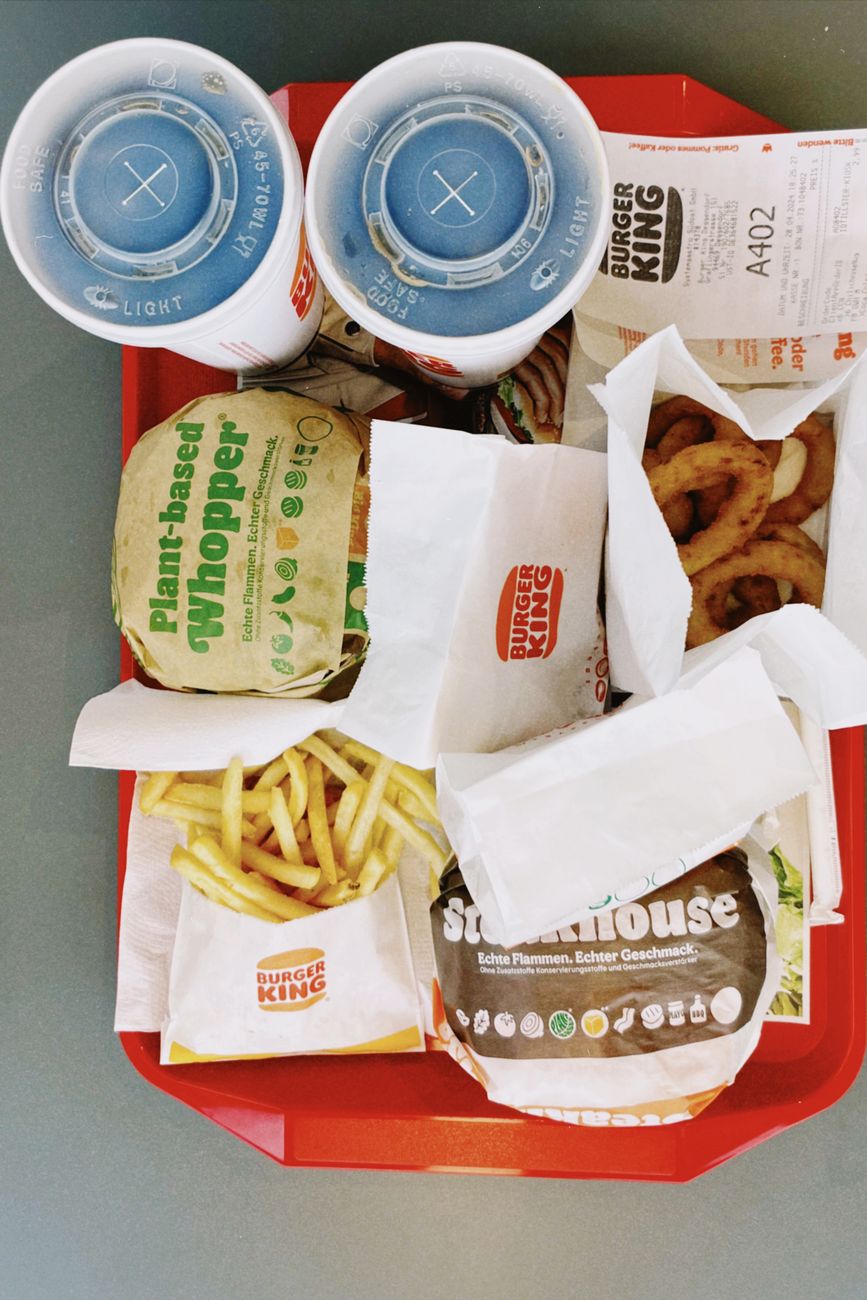
FAST FOOD BURGER CHAINS
Traditional burger chains often struggle with rice dishes because rice is not central to their menu. When chains suddenly add bowls or “healthier” rice options, the quality can feel inconsistent.
The rice may sit in warming trays for extended periods, causing it to dry out or clump together. Texture problems become especially noticeable during slower hours.
Many burger-focused restaurants also rely on heavily seasoned toppings to hide bland rice underneath. The grains themselves frequently lack flavor or proper seasoning.
Common signs of poor restaurant rice include:
- Hard or crunchy grains
- Mushy texture
- Rice sticking together in clumps
- Dry edges from heat lamps
- Excess oil or butter masking blandness
Fresh rice should feel light and fluffy rather than heavy or gummy.
SPORTS BARS
Sports bars excel at fried appetizers and wings, but rice dishes are rarely their strength. Items like rice bowls or side rice are often added simply to expand menu variety.
Because these restaurants prioritize quick bar food, rice may be batch-cooked far in advance. This can create stale flavor and uneven texture.
Rice also absorbs moisture over time, especially under heat lamps. That leaves many sports bar rice dishes tasting dry or oddly chewy.
Even heavily sauced dishes cannot fully hide poor rice quality. In many cases, fries or other sides are a safer choice.
DINER CHAINS
Large diner chains serve enormous menus, which can make consistency difficult. Rice dishes often become one of the weakest parts of the menu because they are not ordered as frequently.
Rice at diners may be reheated multiple times throughout the day. This can create a sticky or hardened texture that lacks freshness.
Seasoning is another common issue. Many diner rice dishes taste bland unless covered with gravy or sauces.
The problem becomes more noticeable in dishes advertised as “international” cuisine. Generic preparation methods rarely deliver authentic rice texture or flavor.
PIZZA CHAINS WITH RICE BOWLS
Some pizza chains have experimented with rice bowls and baked rice dishes to compete with fast-casual restaurants. However, rice is usually far outside their area of expertise.
Pizza ovens and prep systems are designed around dough, cheese, and sauces rather than properly steamed grains. As a result, rice texture often feels inconsistent.
These dishes may also rely heavily on processed toppings. That can overwhelm the rice while still leaving the overall meal unsatisfying.
Customers expecting fresh, fluffy rice often end up disappointed. The dishes frequently feel more like assembled leftovers than carefully prepared meals.
GAS STATION HOT FOOD COUNTERS
Gas station food counters can occasionally surprise customers with quality meals, but rice dishes are often risky. Rice held for long periods at improper temperatures can become dry, stale, or unsafe.
Unlike fried foods that are constantly replenished, rice may remain sitting for hours. This dramatically affects both texture and freshness.
Some locations also overcompensate by adding excessive oil or sauce. That can create a heavy, greasy dish that lacks balance.
While certain gas stations maintain excellent food programs, rice usually requires more careful handling than convenience kitchens can consistently provide.
WHY SPECIALTY RESTAURANTS HANDLE RICE BETTER
Restaurants specializing in cuisines built around rice generally produce better results because the ingredient receives more attention. Proper cooking techniques matter far more than many diners realize.
Specialty restaurants often focus on:
- Correct water-to-rice ratios
- Fresh batch preparation
- Proper holding temperatures
- Balanced seasoning
- Texture consistency
These details help rice remain fluffy, flavorful, and enjoyable rather than forgettable.
CONCLUSION
Rice may appear simple, but preparing it well requires consistency, timing, and proper storage. Restaurants that treat rice as a secondary side dish often struggle to maintain freshness and texture.
Choosing restaurants that specialize in rice-based cuisines usually leads to much better meals. In many cases, avoiding poorly executed rice dishes can save both money and disappointment.



Leave a Reply