
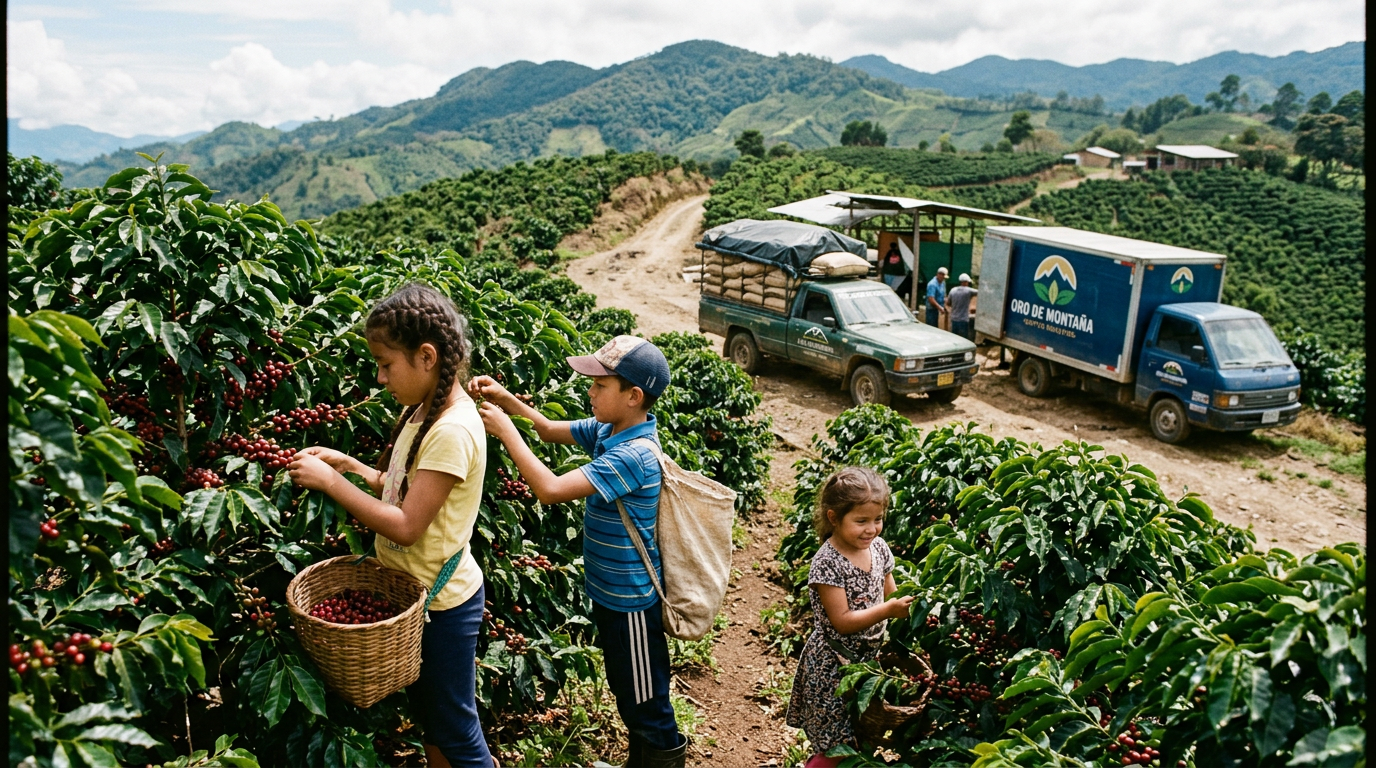
Coffee is one of the most widely traded commodities in the world, but its supply chain is complex and often difficult to monitor. In many coffee-growing regions, especially in parts of Africa, Latin America, and Asia, labor practices have been scrutinized by journalists and advocacy groups.
Over the years, several major coffee brands have faced allegations, investigations, or criticism regarding potential links to child labor risks in their sourcing networks. These claims typically focus on upstream farming conditions rather than the companies directly employing workers, and outcomes vary depending on audits, reforms, and certification efforts.
Nestlé (Nescafé)
Nestlé, the parent company of Nescafé, is one of the most frequently cited corporations in discussions about ethical sourcing in the coffee and broader cocoa industries. Investigative reporting and advocacy groups have raised concerns over child labor risks in parts of its agricultural supply chains, particularly in West Africa and Latin America.
While Nestlé has implemented monitoring programs and sustainability initiatives, critics argue that enforcement across large, decentralized farming networks remains challenging. The company has acknowledged past issues in broader commodity sourcing and has invested in traceability systems.
These concerns highlight how global demand for inexpensive coffee can complicate oversight at the farm level.
Starbucks
Starbucks has built a reputation around ethical sourcing through its Coffee and Farmer Equity (C.A.F.E.) Practices program. Despite this, the company has still faced scrutiny from labor rights organizations regarding indirect supply chain risks.
Some reports have pointed to the possibility of child labor exposure in regions where Starbucks sources coffee beans through third-party suppliers. The company has stated that it works with certification bodies and suppliers to reduce these risks.
Even with formal standards in place, enforcement depends heavily on local farming conditions and auditing reach.
Nespresso (Nestlé)
Nespresso, another Nestlé-owned coffee brand, markets itself as a premium and ethically sourced product line. It partners with certification programs and farmer support initiatives designed to improve labor conditions.
However, like many large coffee brands, it has faced scrutiny from NGOs and investigative groups regarding whether certification systems fully eliminate child labor risks at the farm level. These concerns often focus on indirect sourcing rather than direct company practices.
Key factors often discussed in supply chain investigations include:
- Reliance on third-party farms
- Difficulty monitoring remote agricultural regions
- Variability in certification enforcement
- Economic pressure on smallholder farmers
These challenges make full transparency difficult, even for premium brands.
Jacobs Douwe Egberts (Douwe Egberts)
Jacobs Douwe Egberts (JDE), which owns brands like Douwe Egberts and Senseo, is one of the largest coffee companies in Europe. It sources beans from multiple global regions through complex supply networks.
The company has faced scrutiny from labor watchdogs and media reports examining working conditions in coffee-growing regions, including concerns about child labor risks in broader sourcing areas. JDE has responded by participating in sustainability programs and certification schemes.
Like many multinational coffee companies, it relies heavily on third-party suppliers, which can complicate direct oversight.
Keurig Dr Pepper (Green Mountain Coffee Roasters)
Keurig Dr Pepper, through its Green Mountain Coffee Roasters brand, is a major player in the single-serve coffee market. Its supply chain spans multiple countries and involves numerous intermediaries.
Labor rights groups have raised concerns about whether large-scale sourcing systems can fully eliminate child labor risks in agricultural regions where coffee is produced. The company participates in sustainability initiatives aimed at improving traceability and supplier accountability.
Despite these efforts, critics argue that industry-wide structural issues make complete monitoring difficult.
Conclusion
Child labor concerns in the coffee industry are rarely tied to direct corporate employment and more often linked to complex global supply chains. Large coffee brands have introduced certification programs, audits, and sustainability initiatives, but enforcement remains challenging in regions where economic pressure and limited oversight intersect.
While many companies are actively working to improve transparency, the issue reflects broader structural challenges in global agriculture rather than isolated corporate behavior. Understanding these dynamics helps consumers make more informed choices about the products they purchase.



Leave a Reply