
Most people don’t think of food and addiction in the same category, but certain ingredients can strongly influence cravings and eating behavior. Scientists studying nutrition science and brain chemistry have found that some foods activate reward pathways in ways that encourage repeated consumption.
That doesn’t mean these foods are literally the same as drugs, but the comparison comes from how they affect dopamine and habit formation. When eaten frequently, they can be difficult to cut back on.
Potato Chips
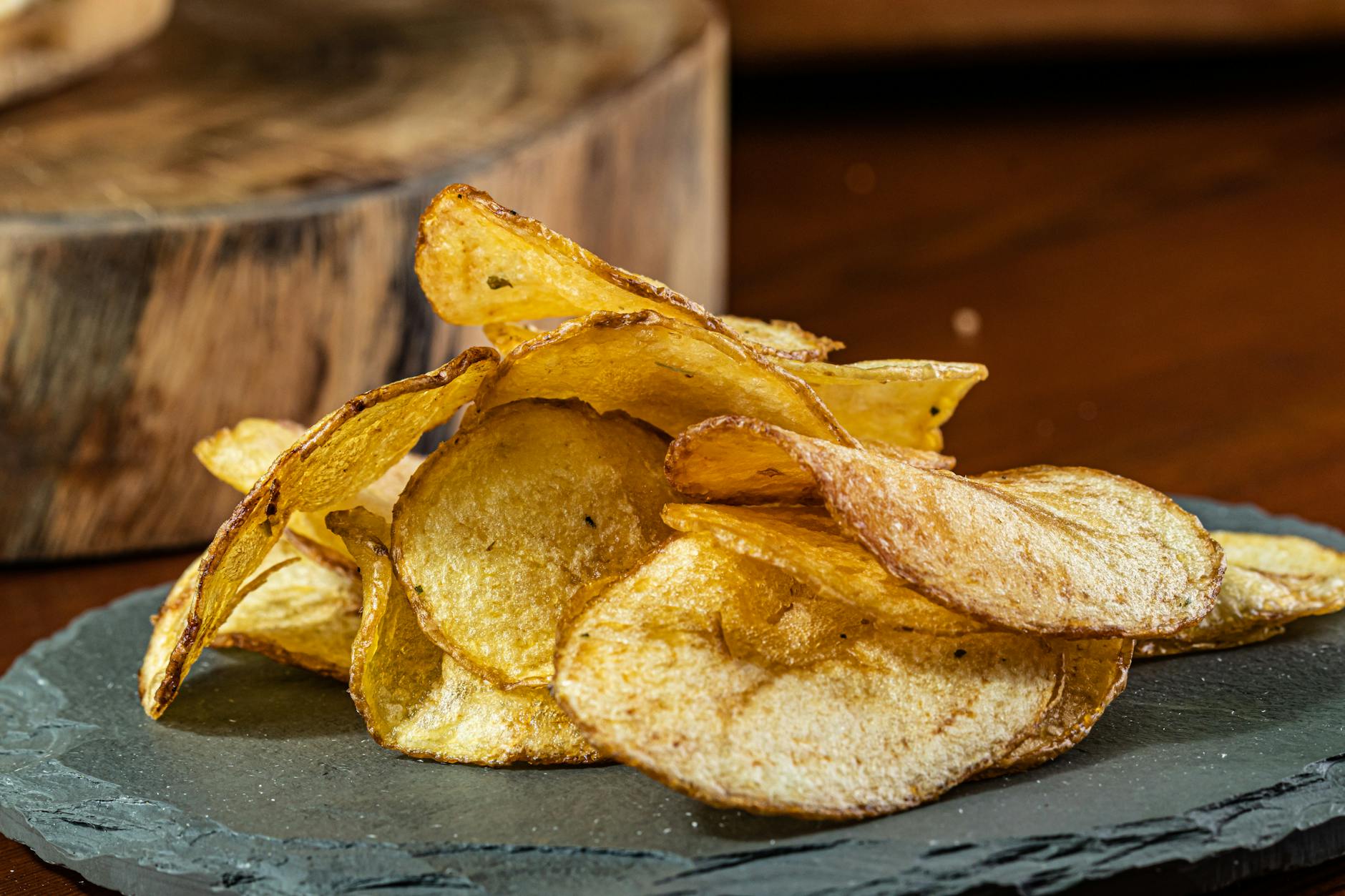
Potato chips are engineered to hit the perfect balance of salt, fat, and crunch. This combination makes them incredibly satisfying in the moment—and easy to overeat.
They also have what researchers call a “vanishing caloric density,” meaning they melt quickly in your mouth. That can trick your brain into wanting more before you feel full.
Sugary Soda
Sugary sodas deliver a rapid hit of sugar that your body absorbs almost immediately. This quick spike can lead to repeated cravings throughout the day.
Because they’re liquid, they don’t provide the same fullness as solid food. That makes it easier to consume large amounts without realizing how much sugar you’ve had.
Fast Food Burgers
Fast food burgers are carefully designed to be consistent, flavorful, and satisfying. The combination of fat, salt, and refined carbohydrates makes them highly appealing.
Chains often optimize recipes for repeat cravings, which can reinforce habits over time. This is part of why they’re so hard to give up once they become a routine.
Chocolate
Chocolate—especially milk chocolate—contains sugar, fat, and compounds that can influence mood. It’s often associated with comfort, which can strengthen emotional eating patterns.
The combination of taste and psychological reward makes it easy to reach for again and again. For many people, it becomes a go-to treat during stress or boredom.
Ice Cream
Ice cream blends sugar and fat into a smooth, creamy texture that’s highly rewarding. It’s also often eaten in large portions, especially when consumed straight from the container.
Cold temperature and sweetness enhance the sensory experience, making it even more appealing. Over time, this can build strong cravings tied to habit and emotion.
- Foods high in sugar, fat, and salt tend to be the most craveable
- Texture (crunchy, creamy) plays a big role in satisfaction
- Liquid calories are easier to overconsume than solid foods
- Emotional associations can strengthen cravings
- Portion awareness helps reduce overconsumption
Understanding why certain foods feel “addictive” can help you make more mindful choices. It’s not just about willpower—many of these products are designed to be appealing on multiple levels.
By recognizing these patterns, you can enjoy your favorite foods without feeling controlled by them. Small changes in awareness and habit can make a big difference over time.



Leave a Reply