
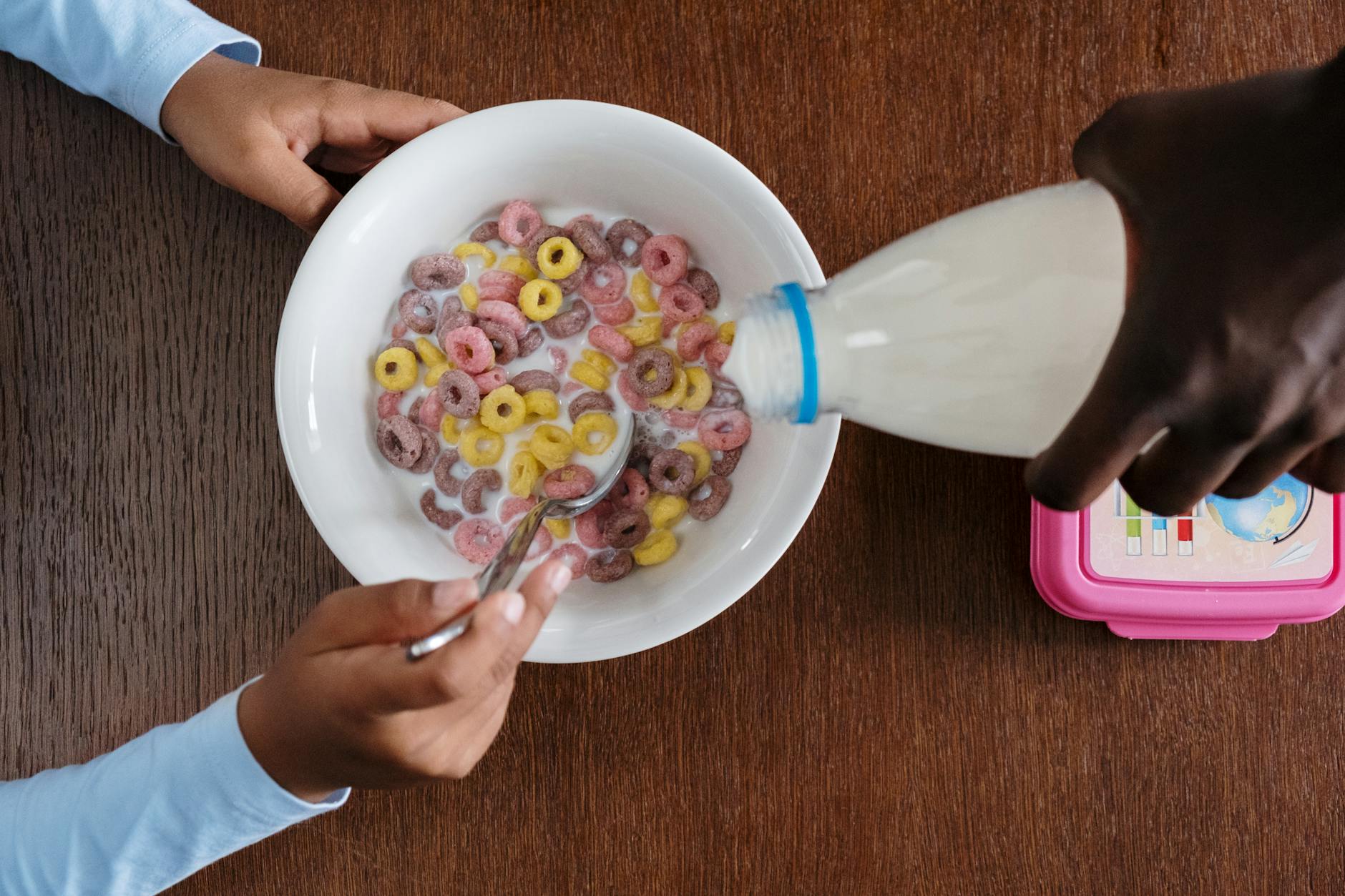
A major shift in food regulation is expected to reshape the breakfast aisle as artificial food dyes face tighter restrictions and potential phase-outs in the United States. Many of the most colorful cereals rely heavily on synthetic dyes to achieve their signature appearance. As manufacturers adjust, several iconic brands are preparing for noticeable recipe and visual changes.
Froot Loops
Froot Loops is one of the most recognizable cereals affected by the upcoming dye changes. Its bright rainbow colors have traditionally come from a blend of artificial food dyes.
With new regulations targeting petroleum-based coloring agents, the cereal is expected to shift toward natural color sources. This may result in softer, less vibrant tones that differ from the classic look consumers are used to.
Even with changes in appearance, the flavor profile is expected to remain largely the same. However, visual identity has always been a major part of its appeal.
Lucky Charms
Lucky Charms relies heavily on brightly colored marshmallow pieces to create its signature look. These marshmallows are among the most dye-intensive components in any mainstream cereal.
As food dye restrictions tighten, manufacturers may reformulate the marshmallows using plant-based coloring alternatives. This could lead to more muted shades of pink, green, and blue.
The cereal’s texture and sweetness are expected to remain unchanged, but the visual contrast between cereal and marshmallows may be less dramatic.
Trix
Trix has long been associated with its slogan “Silly rabbit, Trix are for kids!” and its brightly colored fruit shapes. The cereal depends heavily on artificial dyes to achieve its multi-color design.
Under new guidelines, Trix is likely to transition to natural coloring sources derived from fruits and vegetables. This shift may result in less intense reds, purples, and oranges.
The change could also affect marketing visuals, as packaging will need to reflect the updated, more natural palette.
Cap’n Crunch
Cap’n Crunch includes several colorful varieties, particularly in its flavored spin-offs like Crunch Berries. These versions rely on synthetic dyes to differentiate berry colors.
With the new food dye ban, these variations may be reformulated using natural alternatives. That could make color distinctions between pieces less sharp.
The original golden cereal pieces are less affected, but flavored versions are expected to see the most noticeable visual changes.
Fruity Pebbles
Fruity Pebbles is one of the most dye-dependent cereals on the market. Its vibrant mix of neon-colored rice pieces is entirely built around artificial coloring.
A shift to natural dyes would significantly change its appearance, likely resulting in more subdued pastel tones. This makes it one of the most visibly impacted cereals under the new rules.
While taste may remain similar, the cereal’s signature “bright bowl” experience will likely look very different.
What the Food Dye Changes Mean for Cereals
The move away from artificial dyes is part of a broader trend toward cleaner ingredient labels. While the exact regulations vary, the direction is clear: more natural coloring and fewer synthetic additives.
- Replacement of petroleum-based dyes with plant-derived colors
- Softer, less saturated cereal colors
- Potential reformulation of marshmallows and fruit pieces
- Packaging redesigns to match new visuals
- Gradual rollout across major brands
How Breakfast Cereals Are Adapting
Cereal manufacturers are investing heavily in natural color technology to preserve brand identity while complying with new standards. Ingredients like beet juice, turmeric, and spirulina are becoming more common in reformulations.
While the visual impact will be noticeable at first, companies aim to maintain familiar flavors and textures. Over time, consumers may adjust to a more muted but more natural-looking cereal aisle.


Leave a Reply