
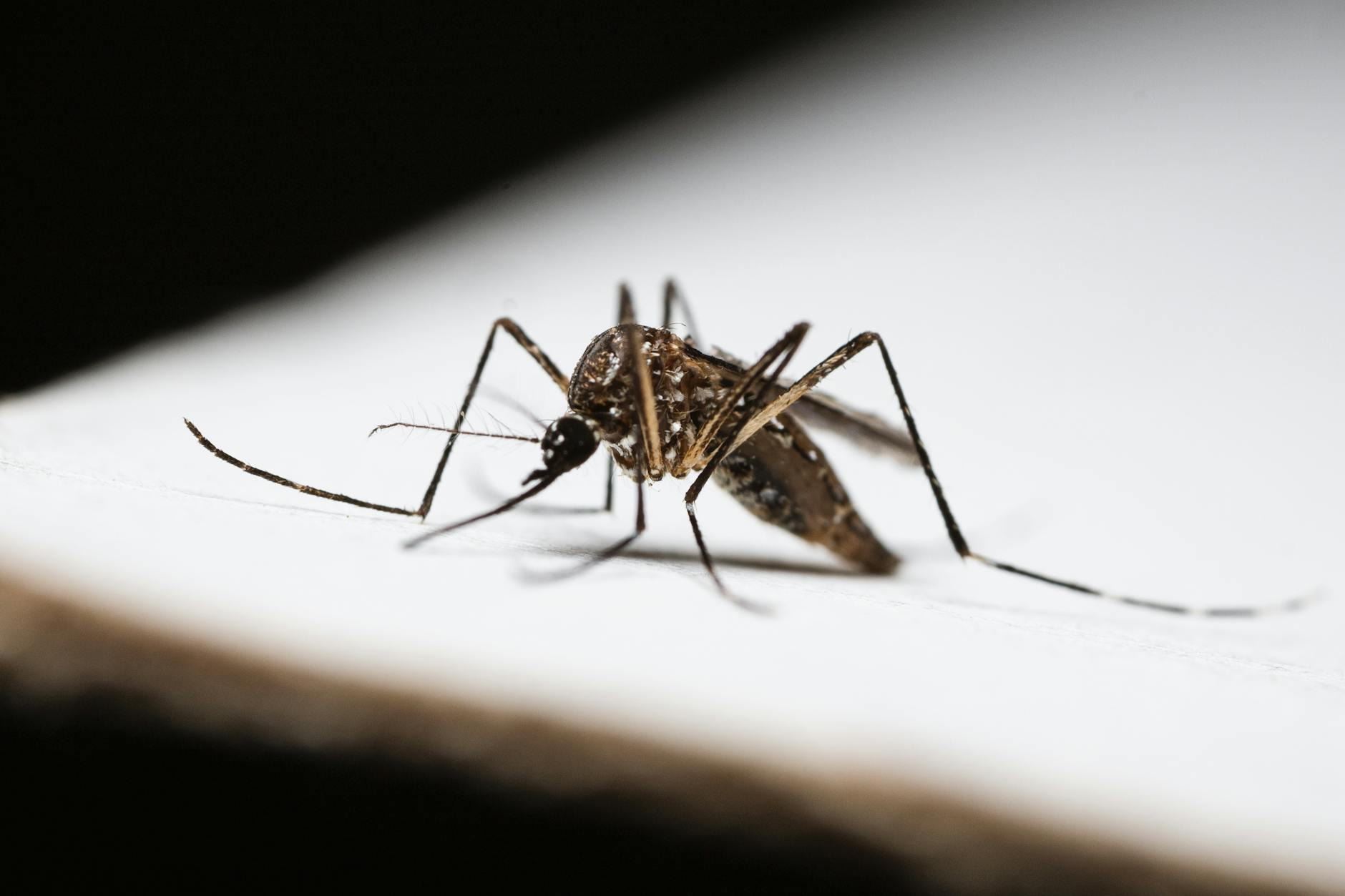
Bug sprays are designed to protect against mosquitoes, ticks, and other pests—but concerns sometimes arise about the chemicals inside them. It’s important to be clear: most major health organizations, including the EPA, have not found strong evidence linking common bug spray ingredients to cancer when used properly. However, some ingredients and formulations are still debated in research due to long-term exposure concerns, especially when overused or misused.
OFF! Deep Woods Insect Repellent
OFF! Deep Woods Insect Repellent contains DEET, one of the most widely used insect-repelling chemicals. It has been extensively studied and is considered safe when used as directed by regulatory agencies.
Some concerns come from older animal studies and high-exposure scenarios, but large human studies have not found a clear cancer link. The main takeaway is that proper use—rather than avoidance—is what matters most.
Repel 100 Insect Repellent
Repel 100 Insect Repellent uses a higher concentration of DEET, which increases how long it protects against insects. Higher concentrations don’t necessarily increase effectiveness, but they extend duration.
With stronger formulas, concerns tend to focus on over-application or prolonged exposure. While still not classified as carcinogenic, excessive use can increase skin irritation or absorption concerns over time.
Cutter Backyard Bug Control Spray
Cutter Backyard Bug Control Spray is typically used for outdoor areas rather than direct skin application. It contains permethrin, a synthetic insecticide also used in some clothing treatments.
While approved for use, permethrin has been studied in lab settings for potential toxic effects at high doses. The concern is less about occasional exposure and more about repeated environmental contact over time.
Raid Yard Guard Mosquito Fogger
Raid Yard Guard Mosquito Fogger releases insecticide into the air to control mosquitoes in outdoor spaces. These aerosolized chemicals can increase inhalation exposure compared to topical sprays.
Some studies have explored links between long-term pesticide exposure and certain cancers, but findings are inconsistent. The biggest risk factor tends to be chronic, high-level exposure rather than occasional use.
Coleman SkinSmart Insect Repellent
Coleman SkinSmart Insect Repellent uses picaridin, a newer alternative to DEET. It is often marketed as a gentler option with less odor and lower skin irritation potential.
Although less studied than DEET, current evidence has not established a cancer link. As with all repellents, proper use and avoiding overexposure remain key considerations.
Key Factors That Influence Risk
Rather than focusing on a single product, experts tend to look at how bug sprays are used overall. Risk is more closely tied to exposure patterns than to one specific brand.
- Frequent or excessive application beyond label instructions
- Inhalation of aerosolized sprays in enclosed spaces
- Long-term occupational exposure to pesticides
- Skin absorption from high-concentration formulas
- Mixing multiple chemical products together
What Science Actually Says
Research consistently shows that commonly used insect repellents are considered safe when used correctly. In fact, health experts emphasize that the risks of mosquito-borne diseases often outweigh the potential risks of repellents.
The bigger concern is misuse—such as overapplication, improper storage, or unnecessary exposure. Following label instructions and choosing the right type of repellent for your situation can significantly reduce any potential risks.




Leave a Reply