
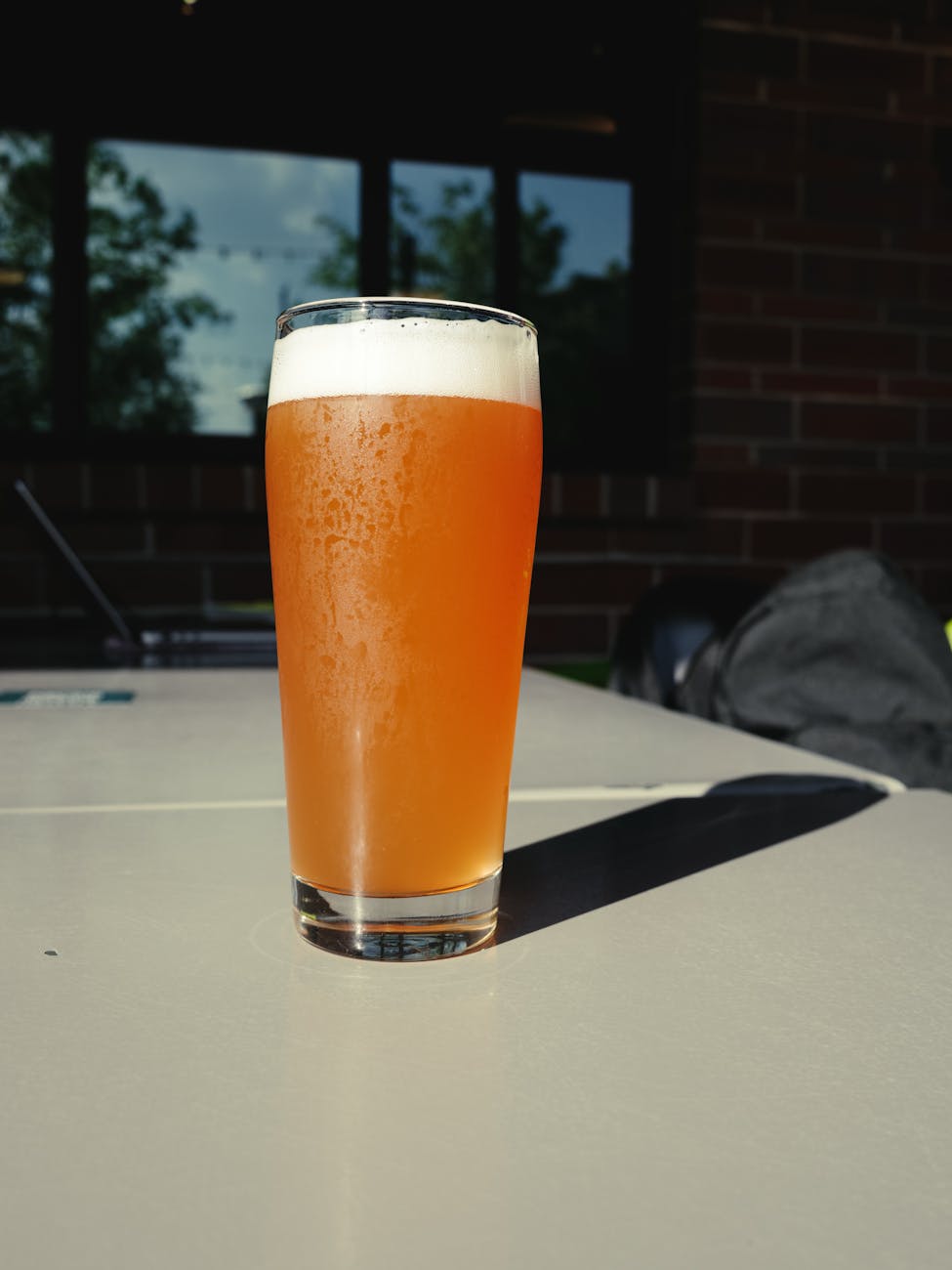
India Pale Ale has one of the most storied histories in the world of beer, dating back to the 18th century when British brewers crafted hoppier ales for long sea voyages. While many recipes have changed over time, a handful of classic IPAs have managed to survive for generations and are still brewed today. These beers offer a direct connection to brewing traditions that helped shape modern craft beer culture. Here are six of the oldest IPAs still in production.
Hodgson’s India Pale Ale (legacy influence)
Hodgson’s India Pale Ale is often credited as one of the earliest commercial IPAs. Brewed in the late 1700s, it helped establish the style’s signature hop-forward profile.
While the original brewery no longer exists, modern recreations and historical references keep its legacy alive. It remains an important benchmark in IPA history.
Its influence can still be seen in many traditional recipes today. It helped define what an IPA would become.
Bass Pale Ale
Bass Pale Ale was first brewed in 1777 and is one of the oldest continuously produced beers. Though technically a pale ale, it played a key role in the development of the IPA style.
It became widely exported and was popular among British troops abroad. Its balanced bitterness and malt character made it highly drinkable.
Bass remains in production today, preserving a piece of brewing history. Its red triangle logo is one of the oldest trademarks in the world.
Samuel Smith’s India Ale
Samuel Smith’s India Ale is brewed by one of England’s oldest breweries. It reflects a more traditional IPA style with moderate bitterness and earthy hops.
The brewery continues to use classic methods, including stone Yorkshire squares. This helps maintain a historical connection to older brewing techniques.
Its flavor profile is less aggressive than modern IPAs. That makes it a good example of how the style originally tasted.
Meantime India Pale Ale
Meantime India Pale Ale was introduced as a revival of traditional IPA styles. It draws inspiration from historical recipes while using modern brewing precision.
The beer highlights floral and citrus hop notes balanced with malt sweetness. It bridges the gap between old-world and contemporary IPA flavors.
Although newer than some on this list, it’s rooted in historical tradition. It reflects how classic styles continue to evolve.
Fuller’s Bengal Lancer IPA
Fuller’s Bengal Lancer IPA is named after British cavalry regiments stationed in India. It’s a classic example of an English-style IPA still brewed today.
The beer features a balanced profile with moderate bitterness and a smooth finish. It stays true to traditional brewing approaches.
Fuller’s has maintained its recipe for decades. This consistency helps preserve its historical character.
Worthington White Shield IPA
Worthington White Shield IPA dates back to the early 19th century. It is one of the few IPAs that has been continuously brewed using traditional bottle-conditioning methods.
This process gives it a unique depth of flavor and natural carbonation. It’s considered one of the closest examples to original export IPAs.
Its long history makes it a standout among classic beers. It remains a favorite among traditionalists.
What Makes These IPAs Historically Significant
These beers have endured for decades—or even centuries—due to their strong foundations and consistent quality. They represent the origins of a style that has since exploded in popularity.
Key traits include:
- Long-standing brewing traditions
- Export history tied to British trade routes
- Balanced hop and malt profiles
- Influence on modern craft IPA styles
These elements helped shape the global beer landscape. They continue to inspire brewers today.
Conclusion
The IPA style has evolved dramatically, but its roots remain deeply tied to these historic brews. Each of these beers offers a glimpse into the past while still being available in the present.
For beer enthusiasts, trying these classics is like tasting history. They provide context for how far the IPA style has come and where it began.



Leave a Reply