
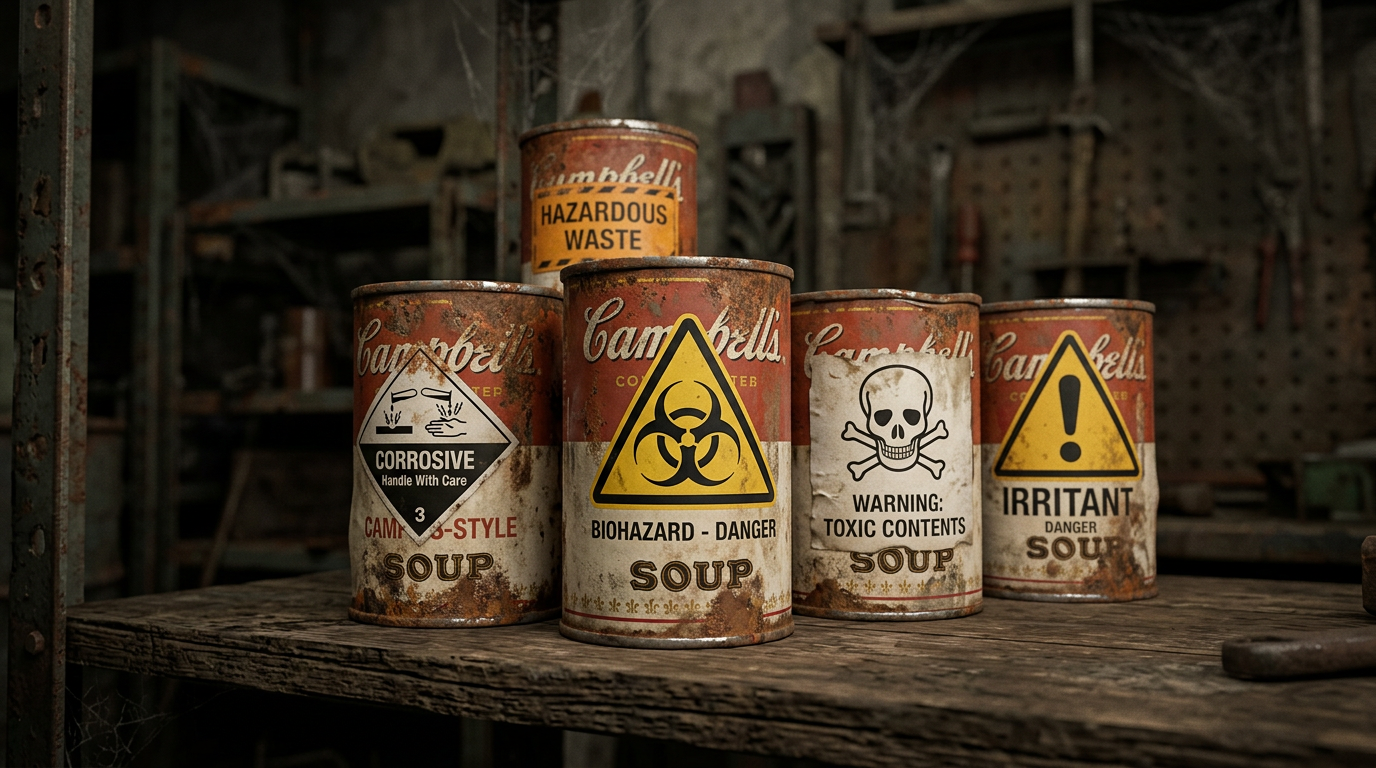
Concerns about processed foods and long-term health often lead canned soups to come under scrutiny, especially because they can be high in sodium and additives. However, it’s important to be precise: there is no scientific evidence that specific canned soup brands directly cause Kidney Disease. What research does show is that diets consistently high in sodium and ultra-processed foods may contribute to kidney strain over time, particularly in people with existing risk factors. With that in mind, here are five canned soups often discussed in conversations about high sodium intake and kidney health.
Campbell’s Condensed Chicken Noodle Soup
Campbell’s Condensed Chicken Noodle Soup is one of the most recognizable pantry staples in the U.S. It is widely consumed for its convenience and comfort-food appeal.
Like many condensed soups, it can be relatively high in sodium per serving once prepared. This is often the main concern raised in discussions about kidney health, since excessive sodium intake can contribute to high blood pressure.
However, moderate consumption within a balanced diet is not considered harmful for most people. The key issue is frequency and portion size rather than the product itself.
Progresso Vegetable Soup
Progresso Vegetable Soup is often marketed as a healthier option due to its vegetable content. Despite this, sodium levels can still be significant depending on the variety.
High sodium intake is one of the main dietary factors associated with kidney stress over time. This is particularly relevant for individuals who already have hypertension or reduced kidney function.
Some versions offer reduced-sodium options, which are generally preferred for those monitoring kidney health. Reading labels carefully is an important step when choosing any packaged soup.
Amy’s Organic Lentil Soup
Amy’s Organic Lentil Soup is often viewed as a “cleaner” canned soup option due to its organic ingredients. It contains plant-based protein and fiber, which are generally considered beneficial.
Even so, certain varieties can still contain moderate sodium levels. This is important because kidney health is closely linked to long-term sodium balance.
While the ingredients may be less processed, the nutritional profile still requires attention. “Organic” does not automatically mean low-sodium or kidney-friendly.
Maruchan Instant Ramen Soup
Maruchan Instant Ramen Soup is technically an instant noodle product often treated like soup. It is widely known for its affordability and convenience.
One of the biggest concerns with instant ramen is its extremely high sodium content. Some packages contain a full day’s recommended sodium intake in a single serving.
Frequent consumption of high-sodium instant foods may contribute to long-term kidney strain. This makes moderation especially important.
Healthy Choice Chicken Noodle Soup
Healthy Choice Chicken Noodle Soup is marketed as a lower-calorie, lower-sodium alternative to traditional canned soups. It is often chosen by health-conscious consumers.
Despite its branding, sodium levels can still vary depending on the specific product line. Some versions are better suited for those watching kidney-related health markers than others.
The “healthy” label can be misleading if serving size and sodium content are not carefully considered. Reading nutrition facts remains essential.
Why Sodium Matters for Kidney Health
Kidneys play a key role in filtering excess sodium from the body. When intake is consistently high, it can place additional strain on kidney function over time.
Key dietary factors that matter include:
- Daily sodium intake levels
- Frequency of processed food consumption
- Hydration habits
- Existing blood pressure conditions
Managing these factors is more important than avoiding specific brands. Overall dietary balance has the greatest impact on long-term kidney health.
Conclusion
Canned soups are convenient and widely enjoyed, but they can vary significantly in sodium content and nutritional quality. While no specific soup directly causes kidney disease, dietary patterns high in sodium may contribute to kidney strain over time.
Choosing lower-sodium options and paying attention to labels can help support healthier eating habits. Balance and moderation remain the most effective strategies for protecting long-term kidney function.




Leave a Reply