
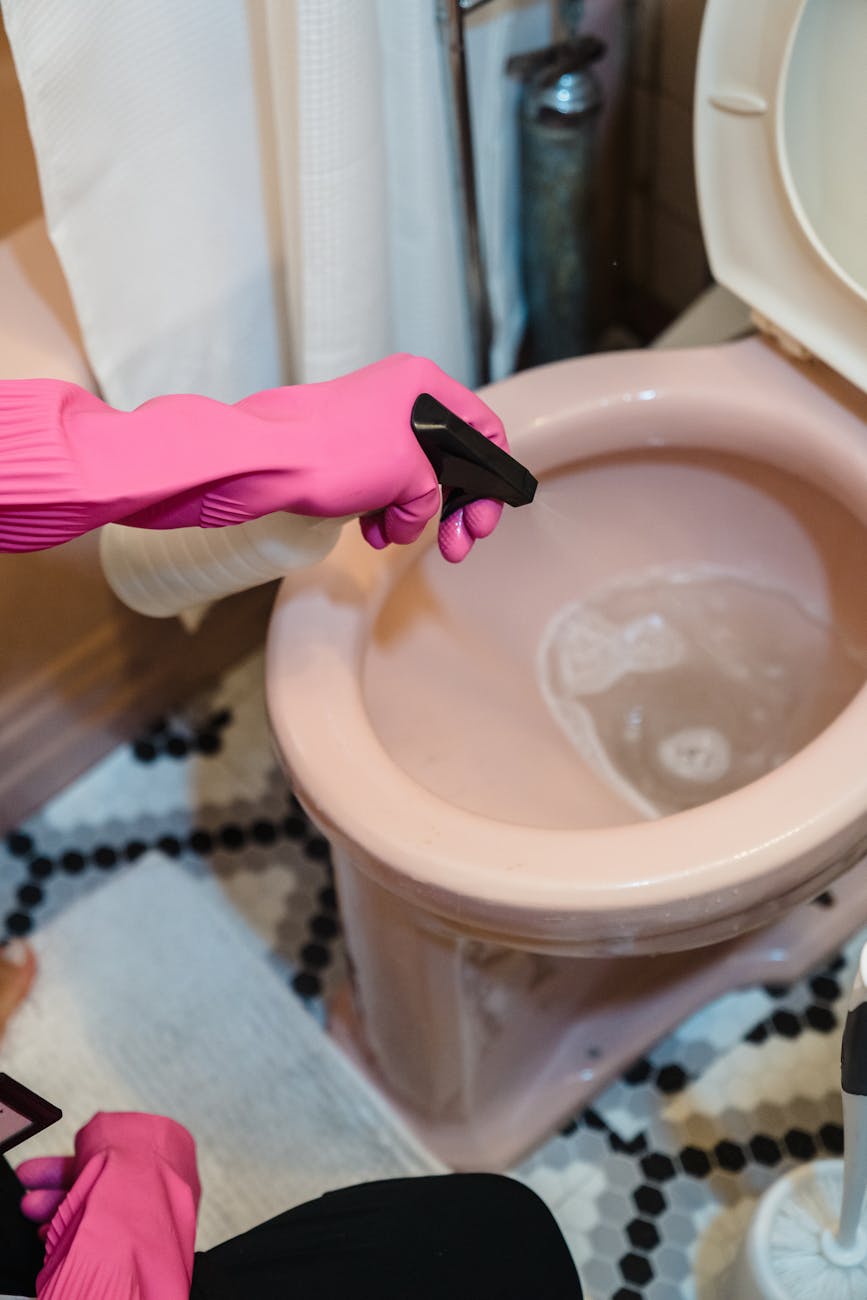
Toilet cleaners are designed to remove stains, kill bacteria, and keep your bathroom fresh. However, some formulas can be overly harsh, leading to gradual damage to porcelain surfaces, internal components, or plumbing systems. Over time, using the wrong cleaner can wear down finishes, corrode parts, or even shorten the lifespan of your toilet.
Understanding which products and ingredients may cause harm can help you clean effectively without unintended consequences.
Lysol Power Toilet Bowl Cleaner
Lysol Power Toilet Bowl Cleaner is known for its strong disinfecting properties. However, some versions contain acids that can be too aggressive when used frequently.
Repeated exposure may dull the porcelain glaze over time. This can make the surface more prone to staining rather than preventing it.
Clorox Toilet Bowl Cleaner with Bleach
Clorox Toilet Bowl Cleaner with Bleach is widely used for sanitizing. While effective at killing germs, bleach-based formulas can be harsh on internal rubber and plastic components.
Over time, these materials may weaken or degrade. This can lead to leaks or reduced flushing efficiency.
Scrubbing Bubbles Toilet Cleaning Gel
Scrubbing Bubbles Toilet Cleaning Gel often sticks to the bowl for extended cleaning action. While convenient, prolonged chemical contact can gradually affect surface finishes.
Frequent use without rinsing thoroughly may contribute to buildup or discoloration. This can impact both appearance and performance.
Kaboom BowlBlaster Toilet Cleaner
Kaboom BowlBlaster is formulated to tackle tough stains like rust and lime. These powerful ingredients can be abrasive when used too often.
Repeated application may wear down protective coatings. This can make future cleaning more difficult rather than easier.
The Works Toilet Bowl Cleaner
The Works Toilet Bowl Cleaner is known for its strong acid-based formula. While effective at removing mineral deposits, it can be particularly harsh on plumbing materials.
Overuse may contribute to corrosion in pipes or fixtures. This is especially true in older plumbing systems.
Fluidmaster In-Tank Cleaning Tablets
Fluidmaster in-tank cleaning tablets are designed for continuous cleaning with each flush. However, constant chemical exposure inside the tank can damage internal components.
Rubber seals and valves may deteriorate faster. This can lead to costly repairs over time.
Why Some Toilet Cleaners Cause Damage
Not all cleaning products are created equal. Some are formulated for heavy-duty use but may be too strong for regular cleaning.
Common issues include:
- Acidic formulas that erode porcelain glaze
- Bleach damaging rubber seals and plastic parts
- Continuous exposure from in-tank cleaners
- Abrasive ingredients wearing down surfaces
- Chemical buildup from improper rinsing
These factors can gradually affect both appearance and function. Choosing the right product matters.
How to Clean Your Toilet Safely
Maintaining a clean toilet doesn’t require overly harsh chemicals. Gentle, consistent cleaning is often more effective in the long run.
Safer practices include:
- Using mild or non-acidic cleaners regularly
- Avoiding frequent use of in-tank tablets
- Rinsing thoroughly after applying cleaners
- Cleaning more often with less aggressive products
- Checking manufacturer recommendations for materials
These steps help preserve your toilet’s condition. They also reduce the risk of long-term damage.
Conclusion
Toilet cleaners are essential for hygiene, but stronger isn’t always better. Some popular products can cause gradual damage when used too frequently or improperly.
By choosing gentler options and following proper cleaning practices, you can maintain both cleanliness and durability. A balanced approach ensures your toilet stays in good condition for years to come.




Leave a Reply