
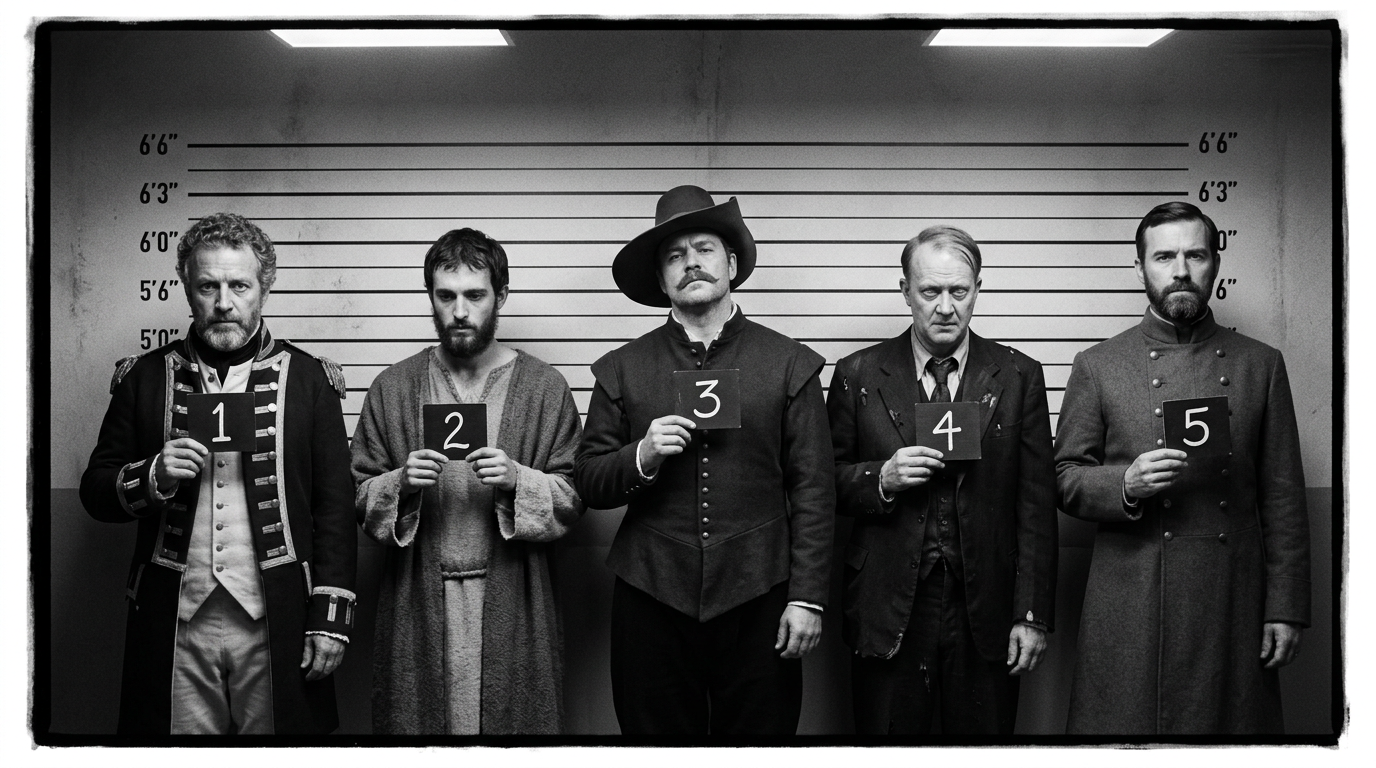
Throughout history, betrayal has shaped the course of nations, wars, and political movements. Traitors often leave behind complex legacies, viewed by some as villains and by others as misunderstood figures. Their actions, whether driven by ideology, ambition, or desperation, have had lasting consequences.
Examining these individuals provides insight into the fragile nature of loyalty and power.
Benedict Arnold
Benedict Arnold is one of the most well-known traitors in American history. Originally a respected general during the American Revolutionary War, he later defected to the British side.
His plan to surrender West Point was uncovered before it could succeed. His name has since become synonymous with betrayal in the United States.
Judas Iscariot
Judas Iscariot is perhaps the most famous traitor in religious history. According to the New Testament, he betrayed Jesus Christ for thirty pieces of silver.
This act led to the arrest and crucifixion of Jesus. Judas’s name has become a symbol of ultimate betrayal.
Vidkun Quisling
Vidkun Quisling collaborated with Nazi Germany during World War II. He led a puppet government in Norway under German occupation.
After the war, he was tried and executed for treason. His name is now used to describe collaborators with enemy forces.
Aldrich Ames
Aldrich Ames was a CIA officer who spied for the Soviet Union and later Russia. During the Cold War, he provided classified information that compromised numerous operations.
His actions led to the exposure of U.S. agents. He was eventually arrested and sentenced to life in prison.
Guy Fawkes
Guy Fawkes is associated with the Gunpowder Plot, an attempt to blow up the English Parliament. The plot aimed to overthrow the government and restore Catholic rule.
Fawkes was arrested before the plan could be carried out. He was later executed, and his legacy remains a mix of infamy and symbolism.
Robert Hanssen
Robert Hanssen was an FBI agent who spied for Soviet and Russian intelligence. His espionage activities lasted for years before he was caught.
He provided sensitive information that severely damaged U.S. intelligence efforts. He was arrested in 2001 and sentenced to life in prison.
Common Motivations Behind Betrayal
Traitors often act for a variety of reasons, and their motivations can be complex. Understanding these factors helps explain why such actions occur.
Some common motivations include:
- Financial gain or personal profit
- Ideological beliefs or political alignment
- Revenge or personal grievances
- Coercion or blackmail
- Desire for power or recognition
These motivations can overlap in many cases. They highlight the human factors behind acts of betrayal.
The Lasting Impact of Treason
Acts of treason often have consequences far beyond the individuals involved. They can alter the outcome of wars, reshape governments, and influence public trust.
In many cases, traitors become enduring symbols within their cultures. Their stories are retold as warnings or lessons about loyalty and power.
Conclusion
The most infamous traitors in history are remembered not just for their actions, but for the impact those actions had on the world. Their stories reveal how fragile alliances and loyalties can be.
By examining these figures, we gain a deeper understanding of the complexities of human behavior. Betrayal remains one of the most powerful forces in shaping history.



Leave a Reply