
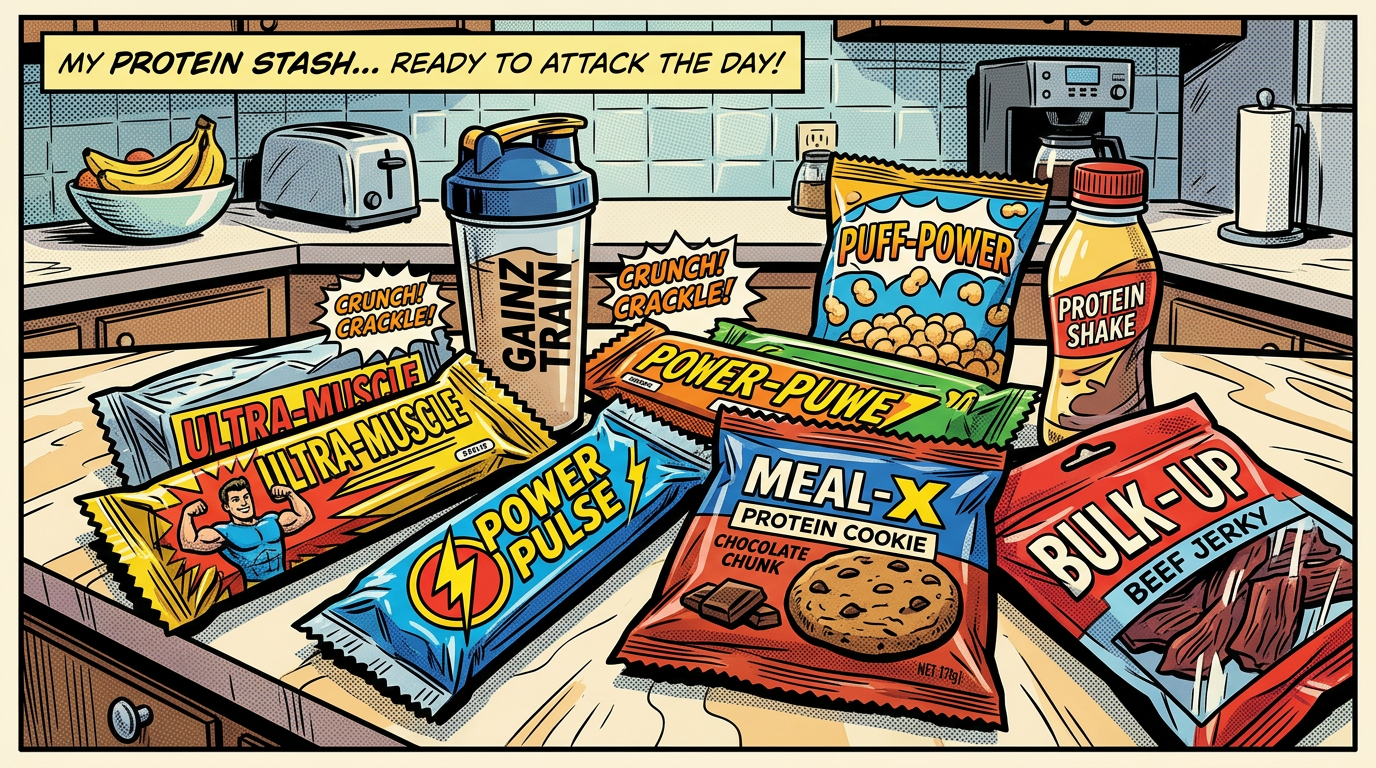
Protein snacks are everywhere now, from gas stations to gym aisles, promising convenience and nutrition in one bite. But not all of them deliver real value for your money. Some are heavily processed, overpriced, or contain so little protein that they don’t justify their premium price tag.
Understanding what you’re actually paying for can help you avoid marketing traps disguised as “healthy” snacks.
Protein bars (low-quality varieties)
Protein bars are one of the most common convenience snacks, but many mainstream versions are closer to candy bars than functional nutrition. Some contain high amounts of sugar alcohols, fillers, and artificial flavors.
Despite their branding, protein content can be modest compared to calories. This makes them less efficient as a true protein source for the price.
Beef jerky (premium “gourmet” versions)
Beef jerky is often marketed as a high-protein, low-carb option. However, many premium versions are priced far above their actual nutritional value.
You’re often paying for packaging, branding, and seasoning rather than significantly more protein. Some also contain added sugar and preservatives that reduce their health appeal.
Protein chips
Protein chips are marketed as a healthier alternative to regular chips. While they do contain added protein, the amounts are often modest compared to their cost.
They are typically highly processed and rely on isolated protein powders. This makes them less satisfying and less cost-effective than whole-food alternatives.
Greek yogurt snack packs (flavored varieties)
Greek yogurt snack packs are often considered a healthy protein option, but flavored versions can be misleading. Many contain added sugars and small serving sizes that limit actual protein intake per dollar.
You’re frequently paying a premium for convenience packaging. Plain yogurt with added toppings at home is often more economical and nutritious.
Protein cookies
Protein cookies are marketed as indulgent yet functional snacks. In reality, many contain similar ingredients to regular cookies with added protein powder.
The protein boost is often minimal compared to the calorie content. This makes them one of the least efficient protein-to-cost options available.
Why Some Protein Snacks Aren’t Worth It
Many protein snacks rely more on marketing than meaningful nutrition. The “protein” label often justifies higher prices without significantly improving health value.
Common issues include:
- Low protein per serving compared to cost
- High levels of added sugar or sugar alcohols
- Heavy processing and artificial ingredients
- Small portion sizes
- Overpriced branding and packaging
These factors can make them less practical than they appear. Consumers often overpay for convenience rather than nutrition.
Smarter and More Affordable Alternatives
You don’t need expensive packaged snacks to meet your protein needs. Whole foods often provide better value and higher quality nutrition.
Better options include:
- Hard-boiled eggs
- Plain Greek yogurt
- Cottage cheese
- Roasted chickpeas or nuts
- Lean deli meats or homemade snacks
These foods tend to offer more protein per dollar. They also contain fewer additives and more natural nutrients.
Conclusion
Protein snacks can be useful, but many popular options are not as efficient or cost-effective as they seem. Marketing often emphasizes convenience while downplaying ingredient quality and actual protein content.
By focusing on whole foods and reading nutrition labels carefully, you can avoid overspending on underwhelming products. Smarter choices lead to better nutrition and better value.




Leave a Reply