
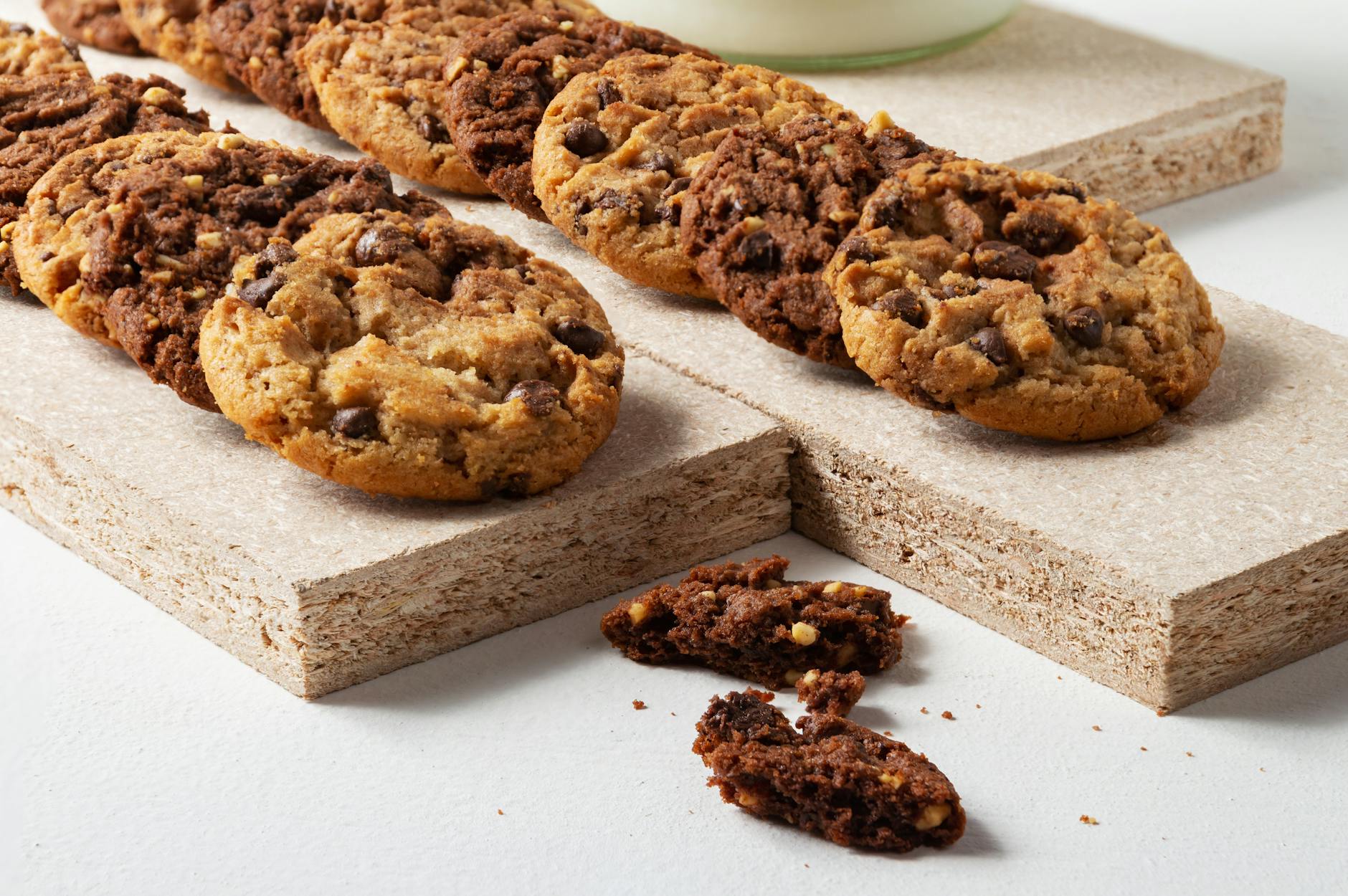
Grocery store cookies are a convenient treat, but like many packaged foods, they occasionally face recalls tied to safety concerns. These situations are usually caused by undeclared allergens, contamination risks, or labeling errors rather than the cookies themselves being inherently dangerous. Still, when recalls happen, they can affect major brands and widely distributed products.
Understanding past recall examples helps highlight how food safety systems work—and why checking labels and recall notices matters.
Pepperidge Farm Goldfish Grahams & Cookie Lines
Pepperidge Farm has issued recalls affecting certain cookie-style snack products due to undeclared allergens, particularly milk. These incidents were tied to ingredient cross-contamination during production.
For individuals with dairy allergies, even trace amounts can pose serious risks. The recalls were precautionary but widely distributed due to the brand’s national reach.
Nestlé Toll House Refrigerated Cookie Dough
Nestlé Toll House products have been involved in major recalls, including concerns about potential contamination. While dough is not a ready-to-eat cookie, it is often consumed raw despite warnings.
Past recall events included concerns about bacterial contamination, prompting nationwide withdrawals. These situations emphasized the importance of proper handling and cooking instructions.
Trader Joe’s Soft-Baked Cookies
Trader Joe’s has recalled certain cookie products due to undeclared allergens such as nuts or milk. These issues typically arise from supplier-level labeling errors.
Because the brand rotates products frequently, recall notices can affect limited batches. Still, they highlight how even specialty grocery items are subject to strict safety oversight.
Great Value Cookies
Great Value cookies have been included in recall announcements tied to undeclared ingredients. As a large store brand, its products are widely distributed across the country.
These recalls are often linked to third-party manufacturing issues. Even minor labeling discrepancies can trigger large-scale product removals.
Publix Bakery Cookies
Publix bakery cookies have occasionally been recalled due to allergen mislabeling. Fresh bakery items can be especially vulnerable to cross-contact during preparation.
Because these cookies are often made in-store, ingredient tracking can vary. This increases the importance of accurate labeling and staff training.
Whole Foods Market Packaged Cookies
Whole Foods Market has issued recalls involving packaged cookies due to undeclared allergens or ingredient concerns. These incidents often involve supplier-produced goods sold under the store’s branding.
Even with stricter ingredient standards, supply chain complexity can lead to errors. Recalls in this category are typically precautionary but still taken seriously.
Common Reasons Cookies Get Recalled
Most cookie recalls are not due to the product itself being inherently harmful, but rather due to production or labeling issues. These problems are usually identified quickly through inspections or consumer reports.
Common causes include:
- Undeclared allergens like milk, nuts, or soy
- Cross-contamination during manufacturing
- Bacterial contamination in raw ingredients
- Mislabeling or incorrect packaging
- Supplier-related ingredient errors
These issues can affect even well-known brands. That’s why recall systems are designed to act quickly and prevent widespread risk.
How to Stay Safe as a Consumer
Consumers can take simple steps to reduce risk when purchasing packaged cookies. Awareness and label-checking go a long way.
Helpful habits include:
- Reading ingredient labels carefully
- Checking for allergen warnings
- Monitoring recall alerts from retailers
- Avoiding consumption of recalled batches
- Storing and handling products properly
These steps help ensure a safer experience with packaged foods. Most recalls are resolved quickly, but staying informed is key.
Conclusion
Grocery store cookie recalls are usually tied to labeling errors or contamination concerns rather than widespread product danger. Even so, they highlight how important quality control and transparency are in the food industry.
By understanding how and why recalls happen, consumers can make more informed choices. Staying aware of recall notices helps ensure safety without giving up convenience.



Leave a Reply