
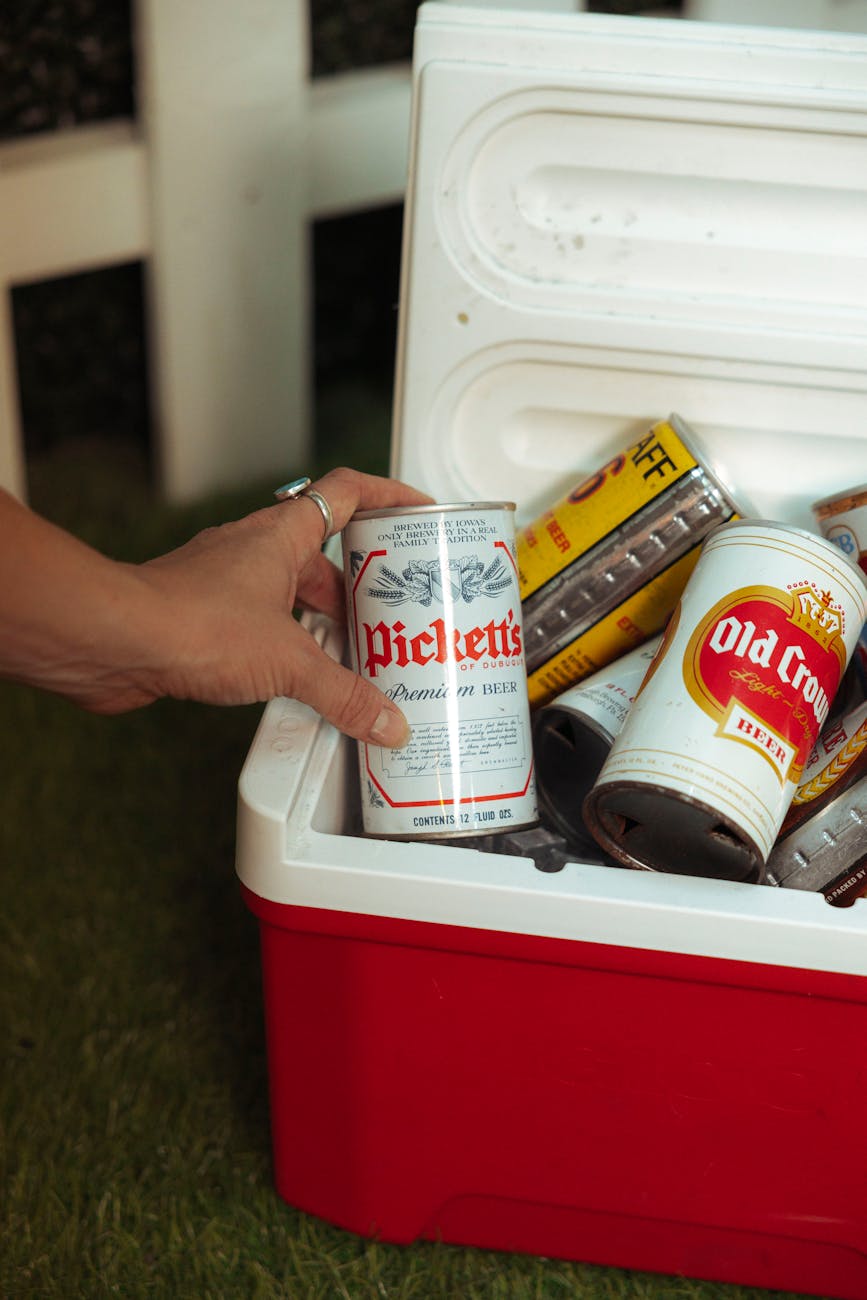
Light beer once dominated backyard barbecues, bowling leagues, and fridge shelves across America. These easy-drinking brews were marketed as lower-calorie alternatives without sacrificing that classic beer taste. Over time, however, shifting trends, craft beer competition, and changing consumer preferences pushed many once-popular light beers into near obscurity.
For those who remember them, these beers carry a strong sense of nostalgia. Here are eight light beers your dad probably drank that have all but disappeared.
Miller Genuine Draft Light
Miller Genuine Draft Light was introduced as a smoother, cold-filtered alternative to traditional light beers. It aimed to capture the success of its full-strength counterpart with fewer calories.
Despite initial popularity, it struggled to stand out in an increasingly crowded light beer market. Over time, it quietly faded from most store shelves.
Bud Dry
Bud Dry wasn’t technically a light beer, but it competed in the same space with its crisp, “dry” finish. Launched by Anheuser-Busch, it was heavily marketed in the early 1990s.
The concept was novel at the time, but it didn’t maintain long-term appeal. As trends shifted, Bud Dry became more of a memory than a staple.
Coors Extra Gold Light
Coors Extra Gold Light was positioned as a premium light beer with a richer flavor profile. It attempted to bridge the gap between full-bodied beer and lighter options.
However, its identity never fully resonated with consumers. It eventually disappeared as simpler, more recognizable brands dominated the category.
Michelob Light
Michelob Light was once seen as a more refined choice compared to standard light beers. It carried a slightly upscale image while still being widely accessible.
Over time, it was overshadowed by newer variations and rebranding efforts within the Michelob line. Today, it’s rarely seen in its original form.
Schlitz Light
Schlitz was once one of the biggest beer brands in America, and its light version followed that success. Schlitz Light aimed to keep the brand relevant as lighter beers gained popularity.
As the parent brand declined, so did its lighter counterpart. It now exists mostly as a nostalgic reference for older drinkers.
Old Milwaukee Light
Old Milwaukee Light was known for its affordability and no-frills appeal. It was a common choice for casual gatherings and budget-conscious consumers.
While the brand still exists in limited form, its presence has significantly diminished. It’s no longer the go-to option it once was.
Natural Light Ice
Natural Light Ice tried to combine the low-calorie appeal of light beer with the higher alcohol content of ice beer. This hybrid approach gave it a brief moment in the spotlight.
However, it never achieved lasting mainstream success. Changing tastes eventually pushed it out of regular rotation.
Keystone Light Gold
Keystone Light Gold was an offshoot designed to offer a slightly richer taste than standard Keystone Light. It targeted drinkers looking for a step up without a big price jump.
The variation didn’t gain enough traction to stick around. It quietly disappeared as the core product remained the focus.
Common reasons these beers faded away include:
- Increased competition from craft breweries
- Shifts toward premium and imported beers
- Changing consumer preferences for flavor variety
- Brand consolidation and product rebranding
Conclusion
The light beer landscape has changed dramatically over the years, leaving many once-familiar names behind. What used to dominate coolers and commercials has largely been replaced by new styles and trends.
Still, these beers remain a nostalgic reminder of a different era in American drinking culture. For those who remember them, they represent more than just a beverage—they’re part of a shared past.

Leave a Reply